What the Age Rules Are for Riding a Motorcycle in California
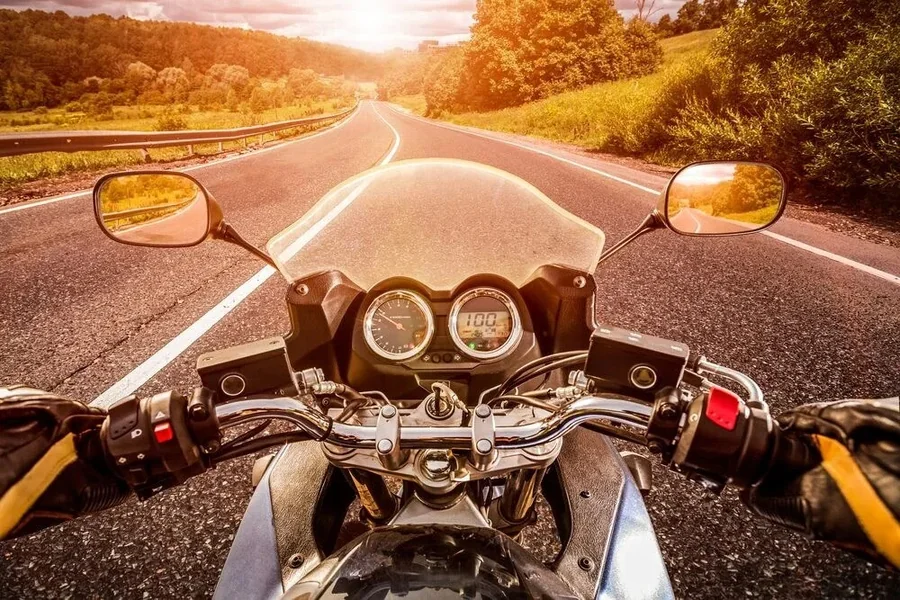
If you’re wondering, the minimum age to ride a motorcycle in California is 16 years old. But it’s not as simple as just getting on a bike.
There are rules, permits, and courses you have to finish first. Especially if you’re under 21, California wants to make sure you know what you’re doing before you get to ride on a motorcycle.
How Old Do You Have to Be to Start?
You can get a motorcycle instruction permit at 15½ years old. That’s like a “starter license” to practice. But there are limits. No riding at night. No highways. No passengers. You’re basically learning, not showing off.
When you turn 16, you can upgrade to a full M1 license. But if you’re under 21, you also have to finish a motorcycle safety course first. California wants you ready for real traffic, not just empty parking lots.
Getting a Motorcycle License in California
Here are the age rules for getting a motorcycle license in California:
For Minors (15½ – 17)
If you’re under 18, there’s extra stuff. You need:
- Written consent from your parents or guardian
- To pass a DMV written test
- To finish a Motorcycle Safety Program approved by the California Highway Patrol
- To hold your permit for at least six months
While you’re on this permit, remember: no freeway, no night riding, no passengers. It sounds strict, but it’s to help you build skills safely.
For Adults (18+)
If you’re 18 or older, it’s easier. You still need to pass the written test and either complete the safety course or pass a DMV skills test. Over 21? You can skip the course if you want, but most people find it actually helps a lot. Real roads are scary without practice.
Why Are There Age Rules?
Motorcycles are risky. Unlike cars, they have no seatbelts, airbags, or metal frame protecting you. Statistics show that younger riders crash more. California’s rules exist to:
- Teach you first before letting you ride alone
- Reduce accidents for teens
- Make sure you know traffic laws and handling
Basically, it’s about keeping everyone alive and safer on the road.
Motorcycle Types and What You Can Ride
California law makes a few distinctions:
- Motorcycles: Two or three wheels, motor over 150cc. An M1 license is needed for two wheels. Three vehicles can use a Class C license. Helmet required.
- Motor-driven cycles: Less than 150cc. Two wheels need M1. Three wheels Class C. Helmet required.
- Mopeds/Motorized bicycles: Very small motors, top speed 30 mph. M1 or M2 license needed. Helmet required.
- Electric bicycles: Motor under 750 watts. Classes 1-3, some pedal assist. Riders under 18 must wear a helmet.
- Motorized scooters and hoverboards: Must wear helmets, follow speed limits, and operate legally on streets or bikeways.
- Pocket bikes / mini motorcycles: Private property only. Illegal on roads.
- Motorized skateboards: Private property only. Not hoverboards.
Motorcycle Safety for Young Riders
Even if you’re legally allowed, safety rules are serious. Here’s what California says:
- Always wear a DOT-approved helmet.
- Wear protective gear: gloves, long pants, jacket, closed-toe shoes.
- Passengers must reach the footrests and hold on properly.
- Children riding motorcycles should be at least 4’9” tall.
If any of these aren’t met, it’s dangerous, and a serious injury is possible.
What Happens If You Ride Underage or Without a License?
The consequences for riding underage without a license in California are:
- Fines and traffic tickets
- DMV suspending or delaying future licenses
- Insurance might not cover accidents
- Civil lawsuits if someone gets hurt
- Parents could face legal trouble
These consequences are strict because California is also strict.
Key Takeaways
- Minimum age for a full license is 16.
- An instruction permit is allowed at 15½.
- A safety course is actually required for those under 21.
- You always have to have on your helmets and proper gear.
- Passengers must be tall enough and able to hold on.