A Complete Overview Of Terracotta Pots And Planters
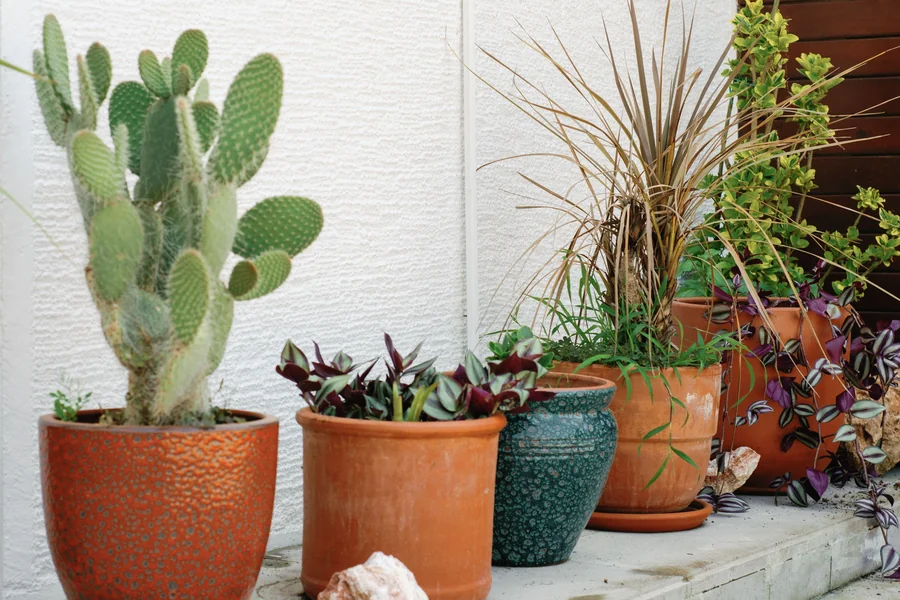
As the availability of garden space diminishes, planter gardening and Terracotta Pots has become an increasingly viable method for growing flowers, herbs, vegetables, and ornamental plants. The planter can affect the ability of a plant to absorb water, air and nutrients. Whether it’s a balcony or a commercial nursery to a productive kitchen garden, clay planters are one of many choices, and their inherent characteristics enable a moisture management strategy that is different.
The Importance of Clay for Root Health
Naturally porous Unglazed Terracotta is the material used. Unlike completely sealed planters, it has clay walls that permit some water and air flow to help the growing media grow more uniformly. It is beneficial for those plants that don’t do well in soggy soil, such as many succulents, Mediterranean herbs, and drought-tolerant flowering plants.
But if there is porosity, there is no need to forget good drainage. An unobstructed drainage opening should still be left in the planter, and sufficient air spaces should be maintained in the growing medium. A slight increase in the elevation of planters in wet areas can also help avoid drainage holes from clogging due to wet ground or debris.
Pots & Planters Selection is Crucial
For blossoms that enjoy the sun, such as geraniums and petunias, clay pots can serve extremely well, and can even be used for seasonal arrangements. Other small trees and shrubs can also be planted in larger planters, though weight, root space and drainage are more important considerations.
As a result, when gardeners are considering terracotta pots and planters versus plastic or glazed ceramic pots, the issue should be more about the moisture as opposed to the look. Water will retain in plastic longer, and glazed ceramic will provide a more enclosed culture. Terracotta does tend to dry out faster and is better for plants that like a well-drained soil.
The Current Planter Gardening In Practice
Garden design is increasingly combining the two aspects of function and form with regard to the growing planters. Earthy clay colors are making a comeback, as well as modern outdoor materials and larger, simple forms are used to add design to patios, outdoor courtyards and modern landscapes.
Such items can be employed by gardeners to position the crop best to take advantage of the sunlight, to protect sensitive plants from adverse weather conditions, and to maximize the garden space. It is good for crop production (other than ornamental) and ideal for herb and vegetable crops.
The Best Way to Utilize Clay Pots & Planters
Watering frequency, soil material, plant requirements and size of planters have to be adjusted to ensure success. Watering does not have a time programme, but it is usually during the times when the soil becomes dry. When it is hot or windy, use porous planters and pots which dry easily. Lastly and the best application of the terracotta pots and planters is giving the appropriate plants, soil and care. They’re not only for their traditional look, but because they can be used as planters that are useful, flexible, and healthier.