Are Light Strips Cheaper on the Power Bill Than House Lighting?
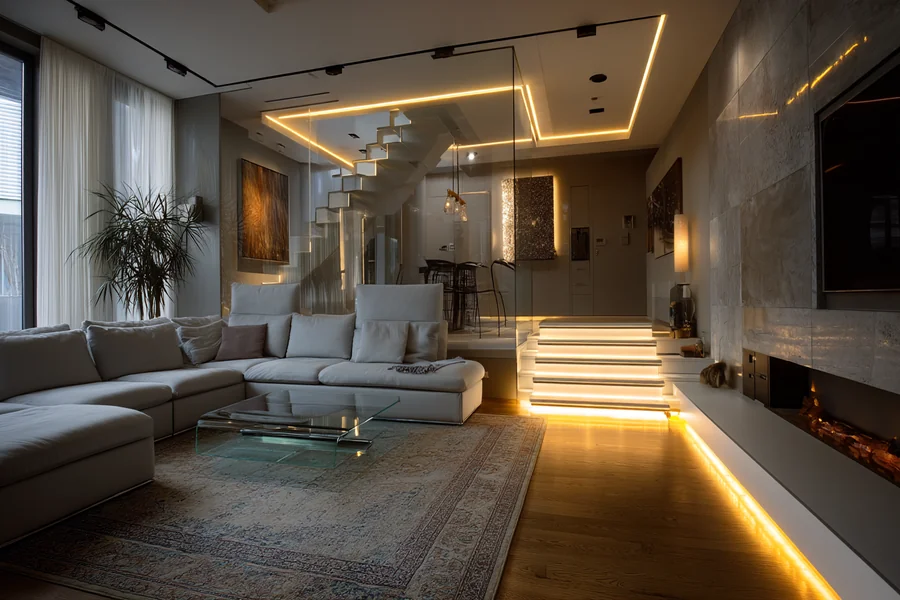
But the truth is, whether you have ever wondered it or not, light strips are more economical on your power bill than house lighting, sometimes, yes. In the majority of instances, LED strip lights consume less power as compared to the older types of lighting, more notably the incandescent and the halogen lamps. The thing about it all is that the comparison would only be fair when you compare lights by what they are actually doing. Accent or task lighting is commonly done using strip lights whereas full-room lighting is commonly referred to as house lighting. That difference matters. According to the U.S. Department of Energy, LEDs typically consume 75 percent of the energy used by incandescent lighting and last a lot longer, and that is one of the reasons why homeowners tend to spend less to operate when switching to products based on LED.
With that said, LED strip lights do not necessarily cost less than all other lighting solutions inside the house. A large number of contemporary ceiling fixtures, recessed lighting, and inbuilt LED systems are already very efficient. Then it is not simply a question of whether strip lights are cheaper, but cheaper than what, over what period of time and why. An intelligent comparison makes a comparison in terms of the wattage, brightness, hours of use and whether the light is being utilized to provide accent, task or general light.
The Short Answer: Yes, Sometimes
The LED strip lights are usually cheaper to operate compared to the traditional household lighting due to the fact that they usually consume low wattage and their usage is usually restricted to shorter runs or limited light areas. In the case of an under-cabinet light or shelf lighting or toe-kick lights, where you are replacing with an LED strip instead of an incandescent with higher wattage, then your power consumption is likely to decrease. It is particularly dismal at the residence where the old bulb technology is still applied. LED lighting has remained among the most recommended methods by the Department of Energy to minimize the use of lighting energy in houses.
However, when you are making a comparison, between LED strip lights and already-efficient LED recessed lights or LED ceiling fixtures, the savings can be minimal or contingent. There are rooms where strip lights are not performing the same task as overhead lighting. They can be very attractive and provide atmosphere, but they can seldom substitute the requirement of complete room illumination. This is the reason why homeowners are encouraged to be more functional in their approach to the lighting rather than the product type.
How Light Strips Use Electricity
What LED Strip Lights Actually Consume
The consumption of LED strip lights is normally dependent on the length, density and brightness intensity. A small strip beneath a cabinet consumes significantly less power as compared to a long run around a room or one that is laid across several surfaces. Part of the products are dimmable or have smart controls that can further reduce energy consumption through lowering brightness or suppressing run time. There are product specifications which differ, however, the point is simple, the longer and brighter the strip, the more electricity it consumes.
The strip lights can be more efficient in specific applications because they are modular. They do not need to turn on the entire room to get light but can do away with the space that requires the light. The targeted method also tends to conserve the wasted energy, particularly in kitchens, corridors, and media rooms.
Why They Often Cost Less to Run
Strip lights can also be more cost effective to operate since they are low power LED items and normally used as accent or task lights. When it is just necessary to illuminate a counter edge, pantry shelf or hallway baseboard at night, a strip light can accomplish this with significantly less energy than switching on several ceiling lights. This is where the use of LED strips may come in quite handy as a way of reducing consumption of electricity without compromising on convenience.

How Traditional House Lighting Compares
Incandescent and Halogen Lighting
Wherever you still have incandescent or halogen bulbs in your home, nearly always it will be costlier to operate than LED strip lights. The incandescent bulbs are much less efficient and they produce much more heat rather than light. The halogen bulbs are a little bit more efficient in relation to the older incandescent bulbs, however, they also consume more energy than the usual LED products.
CFL and Fluorescent Options
Compact fluorescent and fluorescent lighting had a higher efficiency than incandescent lighting, but does not typically compare to the efficiency, life and flexibility of most LED solutions. It also means that they are not usually as versatile in accent lighting and dimming as a number of strip-light systems.
Modern LED Ceiling and Recessed Lights
Here the comparison is more subtle. Recessed lamps and ceiling lights of LEDs are already very efficient. Strip lights will not necessarily be much better than newer integrated LED fixtures in your home. In that regard, actual advantage of strips can be design, mood or directed lighting instead of significant cost saving. When comparing fairly, brightness and length of time of lights should always be considered.
Are Light Strips Really Cheaper on Your Power Bill?
When the Answer Is Yes
Light strips tend to be less expensive in your power bill when substituting outdated, high-wattage lighting or when they are focused on a specific use. Examples of good places are under-cabinet kitchen lighting, shelf lighting, toe-kick lighting, stair lighting or low-level nighttime guidance lighting in the bathroom or the hallways. Where this happens, strip lights are capable of delivering useful light in large amounts using minimal energy consumption.
When the Answer Is Not Necessarily Yes
They need not be cheap when it comes to comparing them to the already efficient LED ceiling lights that are already performing their chore well. It does not immediately make them cheaper either, when you put long strips all over a room, and run them long hours daily. Runtime matters. A product with a low wattage that remains on the entire day, will accumulate with time.
Why Brightness Matters More Than Fixture Type
The greatest error that people commit is to compare lights basing on the style but not on output. It is not important what kind the light is providing you with light that you literally require to do something. The general room lighting, task lighting and accent lighting cannot be used interchangeably. A strip light can be less expensive to use, and when you can not get the light level you require (with a strip light), then the comparison is not complete. This is the reason why lumens, wattage and purpose must be included in the decision.
Best Places in a Home to Use LED Strip Lights Efficiently
Kitchens
One of the most successful places where LED strip lights can be used is in kitchens. A good example is under-cabinet lighting as it places the light where you need it without requiring to light the whole room. The pantry lighting and toe-kick lighting can provide better usability and require low energy consumption as well. When homeowners consider kitchen upgrades they usually consider the layout and lighting efficiency, which is why remodeling resources like America’s Advantage Remodeling can be helpful when planning a more functional space.
Living Rooms and Bedrooms
Strip lights are also useful in bedrooms and living rooms as ambient lights. Cove lighting, media walls, behind-headboard lighting and accent on shelfs can all be used to produce a comfortable environment using relatively low power. These applications do not normally substitute your primary room lighting but are normally additional.
Bathrooms and Hallways
Strip lighting is also useful in the bathrooms and hallways. Lighting in night rooms can also be minimized to a low scale that eliminates the necessity of turning on brighter night lights towards the end of the day. In certain constructions you just need a little directed light in order to safely move within the space.
Windows, Accent Walls, and Modern Remodel Features
The strip lights can be included in larger design renovations, particularly where there are more modern clean lines in the house, built-ins, feature walls, or improved trim and window treatment. To homeowners who not only use lighting that is energy-conscious but also do extensive updates on their homes, providers such as Elevate Construction and Window Installation can help connect lighting decisions with broader renovation goals.
How to Lower Lighting Costs Without Sacrificing Comfort
Choose LED Over Older Bulb Types
When the aim is to cut your lighting expenses, the most significant victory is typically made by abandoning older lighting systems of incandescent or halogen lighting and switching to LED items. Such a change alone usually results in a greater amount of savings than comparing one LED format to another.
Use the Right Lighting for the Right Job
The general lighting is to be used to light the entire room. The task lighting must be on the places of working. Shedding light through accent should provide the depth or richness of imagery. Once you give the appropriate role to each type of lighting you are not likely to over light the room and waste electricity.
Add Dimmers, Timers, or Smart Controls
Control can have a significant impact. Dimmers can minimize the amount of power needed when its brightness is not required, whereas timers and smart systems can ensure that lights remain on longer than is necessary. Most of the existing LED systems have these options, which allow homeowners to be more mindful of the use of energy.
Avoid Overlighting the Space
More efficient lighting design can work to conserve more energy than just switching to innovative fixtures. Excessive numbers of lights, excessive brightness or bad location can all contribute to unreasonable energy consumption. Considerate lighting layering in a lot of houses results in increased comfort and reduced expenses.
Common Mistakes Homeowners Make When Comparing Lighting Costs
A usual error made is that strip lights are compared to house lighting without any thought being given whether they are delivering the same level of light or not. Another is ignoring runtime. Even a light which consumes a low amount of electricity per hour can have an impact on your bill when it is on at all times. Other homeowners also purchase inexpensive strip lights that lose their brightness easily or break down at short periods thus losing their value after some time. A better picture is having a look at the quality of the product, intended use, and actual power draw.
Final Thoughts: Are Light Strips Worth It for Energy Savings?
Therefore, do light strips cost less on the electric bill than house lighting? In many situations, yes. They will be able to run without spending as much, most certainly, compared to older types of bulbs or when they are placed in a strategic location such as to provide accent and task lighting. However, they are not a universal replacement of all ceiling lights in the house.
The most intelligent thing would be to install strip lighting where it would be effective, contrast light in terms of brightness and use, and consider the number of hours that lights are actually running. LED strip lights, when purposefully installed, may make a nice and effective element in a lower-energy home lighting strategy.