Dermatology Tips: How to Prevent Common Skin Problems
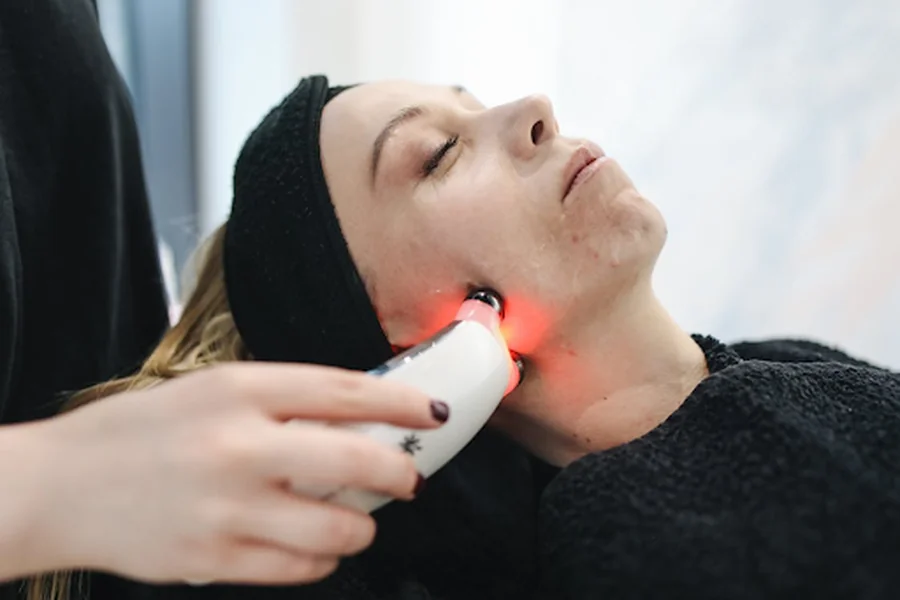
Your skin isn’t something that just takes up some surface area on your body. It is in fact the body’s largest organ and its first line of defense. Everyday it has to face an army of challenges including but not limited to sun, pollution, changing weather, and even your nitpicking hands!
No wonder unexpected pimples pop up right before a big event when everything else seems to be going alright! Everyone knows the frustration and helplessness associated with skin problems as minor as acne. However, most of these issues are preventable with the right care.
Let’s explore five of the most common skin troubles that affect people everywhere, what may cause them, how to nip them in the bud, and some of the steps you can take to make your skin feel much more healthy, clear, and comfortable.
1. Acne
Contrary to popular belief acne isn’t just a teenage problem. Say hello to adult acne! Since acne results from oil, dead skin cells, and bacteria clogging your pores, it can appear at any age. It usually leads to blackheads, whiteheads, or painful bumps.
Changes in your diet, hormones, the weather, stress levels, or even a lack of sleep can make acne worse. To calm things down, start by developing a cleansing routine. Follow it consistently and avoid scrubbing the skin too hard.
We suggest using non-comedogenic (pore-friendly) products. Ingredients like salicylic acid and benzoyl peroxide can help clear clogged pores and reduce inflammation. As tempting as it is, resist popping those pimples as that only pushes bacteria deeper and risks scarring.
2. Dry Skin
We’ve all felt tight, flaky, and uncomfortable skin that seems to drink moisturizer like water. Dry skin, also known as xerosis, is one of the most common and widespread skin concerns and it rears its ugly head usually in colder weather or after a long hot shower.
Your skin’s barrier needs moisture and a lot of protection to stay smooth and strong. After you bathe, pat yourself dry and immediately apply a rich, fragrance-free moisturizer to lock in all that hydration. You can also use a humidifier during the dry months and switch to gentler cleansers to see if that makes a difference!
3. Sunburn
Too much time in the sun isn’t good for the skin. If you’ve ever experienced sunburn you know just how much that hurts. It’s your skin’s distress call after too much UV exposure. With it comes redness, heat, and peeling which point directly to cell damage.
Even mild burns on your skin can speed up aging and increase your risk of developing cancer in the long run. If you do get burned, don’t forget to treat your skin extra nice for the next couple of days.
Make cold compresses your best friend, rely heavily on soothing aloe vera gel, and drink loads of water. Avoid picking at the peeling skin and make sure you use SPF 30 or higher the next time you plan a beach day.
4. Contact Dermatitis
You may invest in an expensive high quality skincare product, but when your skin has to say no, it simply does. Your skin can react to anything it touches. It could be a harsh soap, a perfume, a detergent, or even jewellery. It usually sends you warning signs in the form of redness, itching, and blisters.
Start with a little bit of detective work. Figure out what triggered this reaction in the first place and if you’re still exposing your skin to it, stop immediately. Switch to milder, fragrance free products and try to zero in on the ingredient at fault.
For itchy flare-ups a mild hydrocortisone cream can become your best friend. Remember, not everything labelled “fresh” or “clean” is good for your skin.
5. Fungal Infections
Fungal infections can be caused through exposure to bacteria that live in warm, moist places. They lead to athlete’s foot, ringworm, or jock itch, leaving behind red, itchy, scaly patches. Don’t worry, they’re easy to treat and prevent, albeit uncomfortable.
Keep your skin dry and clean, wear breathable fabrics, and avoid sharing towels or shoes. If you are exposed to an infection and notice it getting bad, over-the-counter anti-fungal creams can usually clear it out within a few weeks. In case it doesn’t improve it may be time to visit your nearest top-rated Maple Grove dermatology.
Final Thoughts
Your skin can tell you quite a lot about your body, both what’s happening inside you and around you. Your stress levels and your daily habits can contribute to a healthier skin or take away from it. Understanding your skin type and how it reacts to the atmosphere can help you identify, prevent, and cure these challenges.
Skip the panic. Invest in simple routines (less is always more), lean towards prevention first, and be consistent to get the best results. Trust us, it’s the best way to keep that skin strong, balanced, and glowing.