Embracing a Lighter Lifestyle Through Relocation
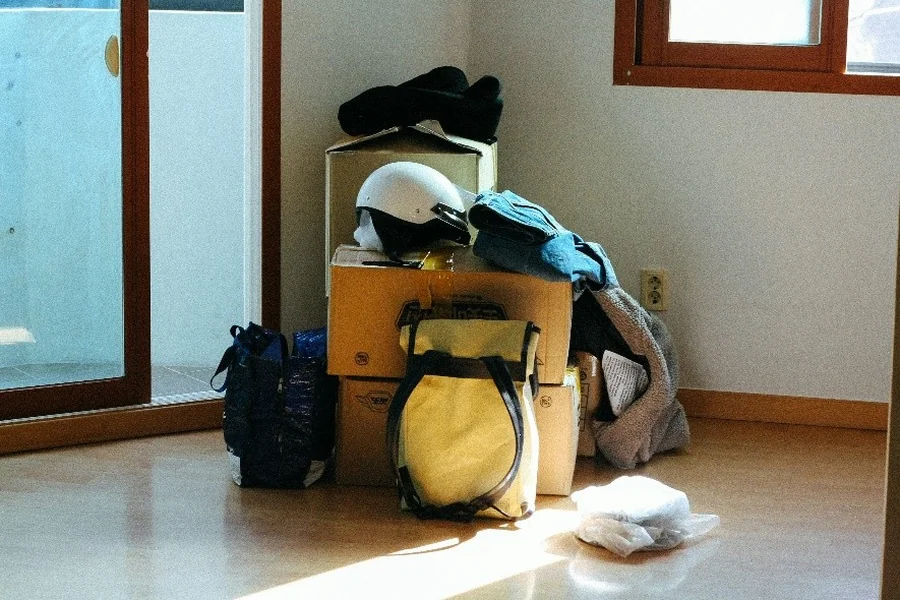
The boxes always look smaller in the store than they do when they’re stacked against your living room wall at 10 p.m., waiting to be filled. That’s usually the moment people start asking themselves why they own so much, why the garage won’t close without a shoulder shove, why the closet rod bends like it’s tired too. Moving has a way of forcing a quiet audit. Every drawer becomes a question. Every shelf feels like a decision that was postponed for years.
Leaving St. Charles brings that feeling into focus. It’s a place where routines settle in comfortably, where houses slowly absorb extra furniture, extra hobbies, extra “just in case” purchases.
Over time, the square footage fills up without much thought. Packing up to relocate meant looking at all of it in plain daylight. Not with excitement. More with a raised eyebrow. What was actually needed? What was just weight?
Why Lightness Starts Before the Truck Arrives
Relocation gets talked about like it’s a fresh start, but in reality, it begins with sorting through the past. Before any new keys are handed over, closets are opened and old paperwork is handled again. It’s less dramatic than people expect. It’s slow. A stack here, a pile there. Some things are kept because they matter. A lot of things are kept because it feels easier than deciding.
There’s a practical side to this stage that often gets overlooked. Logistics can be simple or chaotic depending on how prepared someone is. Planning routes, timing, packing fragile items, making sure furniture actually fits through doorways—it adds up. Many residents hire a local St. Charles local moving company not because they want a luxury service, but because the process has too many moving parts to juggle alone.
The choice isn’t about convenience as much as it is about control. When experienced hands manage the loading and transport, mental space opens up for the harder part: deciding what to carry forward and what to leave behind.
The Physical Weight of “Just in Case”
One of the first surprises during a move is how many items were kept for hypothetical futures. Extra chairs for guests who rarely visit. Old cables for devices long gone. Kitchen gadgets used once. None of it feels heavy on its own. Together, it fills half a truck.
A lighter lifestyle starts with admitting that “just in case” often means “probably not.” There’s discomfort in letting go. It feels wasteful. It feels careless. But dragging those objects into a new home means dragging the same cluttered patterns with them. Relocation exposes that pattern clearly.
It’s interesting how much of daily stress hides in physical surroundings. Crowded counters, overstuffed drawers, a storage unit across town that hasn’t been opened in years. When those layers are removed, even slightly, something shifts. Rooms breathe better. So do the people inside them.
Smaller Spaces, Clearer Decisions
Relocation sometimes comes with downsizing. Not always dramatically, but enough to matter. A smaller yard. Fewer cabinets. A tighter garage. That adjustment forces clarity. There’s no room for vague intentions anymore.
In a large house, items can disappear into corners. In a smaller place, everything demands its square footage. It either earns it or it doesn’t. That kind of boundary feels restrictive at first. Then it feels efficient. There’s less cleaning. Less organizing. Less shuffling things around to make space for other things.
And strangely, there’s less arguing about where stuff goes. When storage is limited, priorities are clearer. The conversation becomes practical instead of emotional. What do we use weekly? What actually serves us? All these questions must be answered.
It sounds obvious, but daily life changes when there are fewer physical distractions. Mornings move faster. Evenings feel less cluttered. There’s less noise, even if the house itself is smaller.
The Financial Side of Light Living
Relocation also exposes spending habits. Moving costs money, of course. Deposits, utility transfers, travel expenses. But it also highlights how much was tied up in maintaining a larger lifestyle. More space often means higher bills. More maintenance. More furniture to fill the rooms.
A lighter setup often reduces those ongoing costs. Smaller utility bills. Lower property taxes. Fewer impulse purchases because there’s nowhere to put extra things anyway. Over time, that reduction creates breathing room financially.
There’s a cultural shift happening too. Remote work has changed how people view their homes. They’re not just sleeping spaces anymore. They’re offices, gyms, classrooms. But that doesn’t mean they need to be oversized. It means they need to be functional. A well-arranged smaller home can meet those needs without carrying excess.
Emotional Inventory
The harder part of relocation isn’t the couch or the dining table. It’s the memories attached to smaller objects. The framed photo that hasn’t been displayed in years. The souvenir from a trip that was important at the time. The bookshelf filled with titles that shaped a season of life.
Letting go of those items feels like rewriting history. But it’s not. The memory doesn’t live in the object. It lives in experience. Keeping everything as proof becomes its own burden.
People often report a quiet relief once those decisions are made. Not excitement. Just relief. The sense that life doesn’t need to be archived in physical form to remain meaningful.
Relocation can surface other emotions too. Fear of change. Doubt about the decision. Nostalgia for routines that were comfortable, even if they were crowded. That emotional clutter deserves attention just like the physical kind.
Read More: Moving to a New Area? Here’s What Buyers Need to Know
Choosing Lightness on Purpose
The real shift happens when lightness becomes intentional instead of accidental. It’s one thing to move into a smaller space because of circumstance. It’s another to maintain that simplicity on purpose.
That might mean setting limits on what comes into the house. Donating regularly. Questioning purchases before they’re made. It might also mean guarding time more carefully, since lifestyle isn’t only about objects.
Relocation offers a clean slate, but habits determine what gets written on it.
Looking back, moving from St. Charles wasn’t about chasing something bigger or newer. It was about noticing how heavy things had become without realizing it. The weight wasn’t obvious day to day. It revealed itself only when everything had to be lifted, wrapped, and carried.
Sometimes it takes a truck in the driveway and a stack of boxes to make that visible. And sometimes, that visibility is exactly what’s needed to choose a lighter way forward.