From Fun to Fatal: How Alcohol Addiction Impacts Your Life
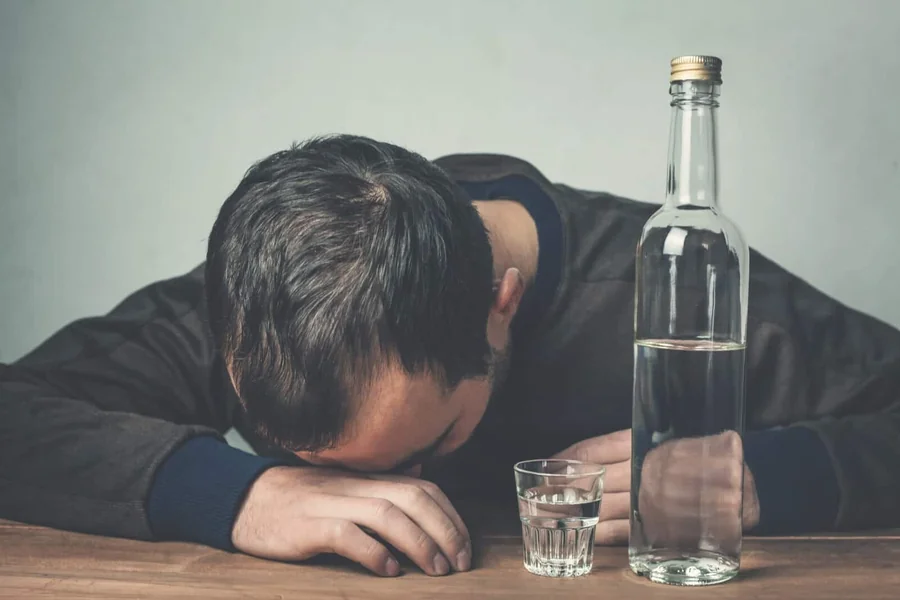
Alcohol is often associated with fun, social gatherings, and relaxation. A few drinks can lighten the mood, ease stress, or even spark creativity. However, what begins as occasional enjoyment can spiral into something far more serious: alcohol addiction. The effects of alcohol addiction extend well beyond the occasional hangover—they touch every aspect of life, from physical health to relationships and even legal situations. Understanding these impacts is crucial for anyone looking to make informed choices or support someone struggling with alcohol dependency.
Physical Health Consequences
The most immediate effects of alcohol addiction manifest in the body. Chronic drinking can lead to liver diseases such as cirrhosis or fatty liver, as the organ works overtime to process toxins. Heart problems, including high blood pressure and increased risk of stroke, are also common among long-term alcohol users. Additionally, alcohol weakens the immune system, making the body more susceptible to infections. Sleep disturbances, digestive issues, and malnutrition further compromise overall health. Even moderate alcohol misuse over time can erode physical wellness, while heavy drinking can prove fatal.
Mental and Emotional Effects
Alcohol addiction doesn’t just harm the body—it profoundly affects the mind. Many individuals develop depression, anxiety, or mood swings linked to prolonged alcohol use. Cognitive functions such as memory, focus, and decision-making deteriorate, making daily life and professional responsibilities challenging. Emotional instability can strain relationships with friends, family, and colleagues. For some, the psychological toll becomes overwhelming, contributing to feelings of hopelessness or isolation. Recognizing the mental impact of alcohol addiction is key to addressing both the addiction and its secondary consequences.
Social and Relationship Strain
Alcohol addiction often disrupts social life and relationships. Friends may distance themselves, and family dynamics can become tense and unpredictable. Trust issues, frequent arguments, or neglect of responsibilities are common outcomes. In romantic relationships, addiction can lead to conflict, emotional withdrawal, or even domestic abuse. Professional relationships may also suffer, as alcohol use affects punctuality, productivity, and interpersonal skills. Ultimately, the social repercussions of alcohol addiction can be as devastating as the physical and mental effects, creating a cycle that’s difficult to break.
Legal and Financial Implications
Beyond health and relationships, alcohol addiction can have serious legal and financial consequences. Driving under the influence, public intoxication, or alcohol-related accidents can result in criminal charges, fines, or even jail time. Individuals struggling with alcohol addiction may also face employment issues due to absenteeism or impaired performance. In cases of auto accidents, consulting a Salt Lake City auto accident attorney may be necessary to navigate legal responsibilities and protect one’s rights. Financial strain from medical bills, legal fees, or lost income further compounds the challenges of addiction.
Pathways to Recovery
The good news is that alcohol addiction is treatable. Recovery often begins with acknowledgment and seeking professional help. Detox programs, therapy, counseling, and support groups such as Alcoholics Anonymous provide structured guidance for overcoming dependency. Lifestyle changes, including improved nutrition, exercise, and stress management, can reinforce recovery. Equally important is the support of family and friends, which can motivate and sustain long-term sobriety. Recognizing that alcohol addiction affects all areas of life can inspire proactive steps toward healing.
In Conclusion
What starts as casual drinking can quickly become a destructive cycle with profound consequences. Alcohol addiction affects the body, mind, relationships, finances, and legal standing. The transition from “fun” to “fatal” underscores the urgency of addressing alcohol misuse before it spirals out of control. By understanding the wide-reaching effects of alcohol addiction and seeking help early, individuals can reclaim their health, relationships, and life. Whether through professional treatment, community support, or personal commitment, recovery is possible—and every step toward it counts.