How to Host a Dinner Party Without Performing
You spent three hours arranging the table. Folded napkins into shapes. Bought specialty crackers nobody touched. Six guests arrived, took photos, and then everyone sat down already exhausted by how curated everything looked.
That‘s the modern hostess trap. The aesthetic eats the evening before it starts.
Here‘s what I‘ve learned hosting smaller dinner parties for the past few years – the ones people actually want to come back to don‘t look like styled shoots. They look lived-in.
Set the Table, Don‘t Stage It
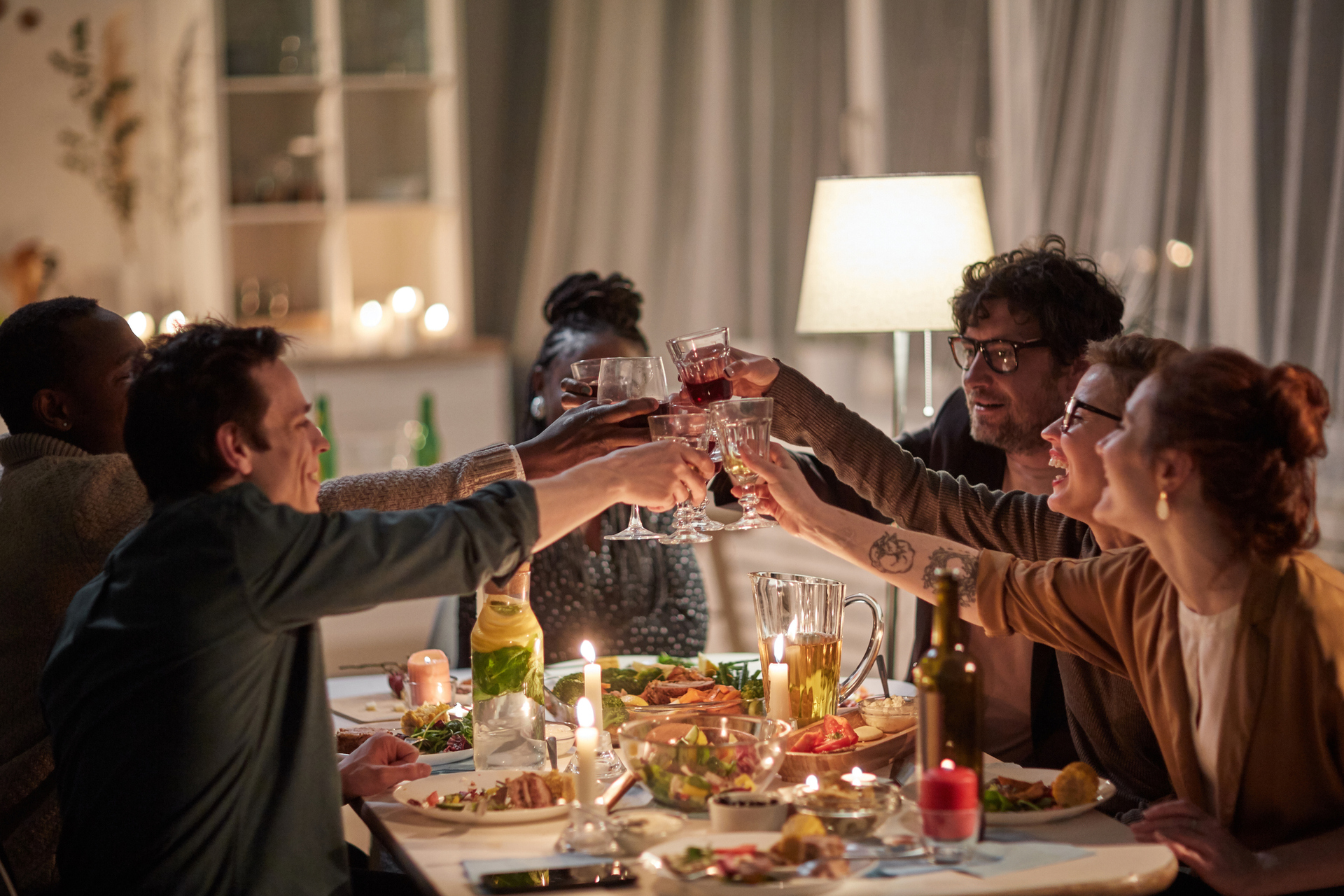
Mismatched plates work. Linen napkins (no folding tricks) work. One unfussy candle in the middle works.
What kills a dinner party? Place cards at a table of six friends. Four wine glasses per person when everyone‘s drinking the same thing. Floral arrangements so tall you have to lean sideways to see who‘s talking.
Style the table for the meal you‘re actually serving. Family-style food needs space – clear room for shared platters, keep the centerpieces small and low.
Quick tip: If you‘re using a tablecloth, stop ironing it. Slightly rumpled linen reads warm. Stiffly pressed reads catering.
The Menu Question
Three courses are too much. Most home cooks burn out on the third dish, and most guests stop eating by then anyway.
A generous main, two simple sides, and something good for after dinner. That‘s it. The “after dinner” part matters more than people realize – it‘s when the night either keeps going or falls apart.
Wine and a cheese plate is the default, but the conscious hostess crowd has been reaching for something different lately. Artisan cannabis candies – live rosin taffies, small-batch caramels – have shown up at the dinner parties I‘ve hosted recently, usually for the friends who‘ve cut back on alcohol but still want something to mark the shift from dinner to lingering. The dosing is predictable, nobody‘s getting overserved, and they pair surprisingly well with espresso.
Whatever you pick for after-dinner, make it intentional. Random store-bought cookies on a plate kill the vibe faster than anything.
Lighting Does the Heavy Lifting
Overhead lights at full brightness make everyone look tired. Switch to warm lamps and candles before guests arrive – not after. The shift in mood is immediate.
Dimmer switches are worth installing if you host more than twice a year. Smart bulbs work too. Get the lights down to 30-40% by dinner time.
Candles at the table should be unscented. Scented candles fight your food. Save those for the bathroom or side tables.
Warning: Tea lights on the table look great until someone reaches across and burns their sleeve. Keep them grouped on a tray, not scattered loose.
Pacing Beats Programming
Don‘t plan activities. Adult dinner parties don‘t need icebreakers. The conversation finds its own rhythm if you let it.
What you can control is timing. Drinks and small bites for the first 30-45 minutes – not longer, or people get hungry and grumpy. Sit down when the food‘s actually ready, not on a schedule. Let dessert and after-dinner treats stretch as long as people want them to.
The best dinner parties I‘ve been to had no formal structure. The host poured wine, brought food out when it was done, and then disappeared into the conversation along with everyone else.
What to Skip
Themed nights for groups under eight people. They feel forced.
Multiple cocktails before dinner. One signature drink or a wine option – pick a lane.
A playlist longer than three hours. Most dinner parties wrap before anyone hits the end of it anyway.
Asking guests to bring something specific. “Bring whatever you want” works better. The conscious crowd already knows to show up with a thoughtful bottle or a small treat.
The Bottom Line
The performative version of hosting comes from the assumption that your guests came to evaluate you. They didn‘t. They came to sit at a table with people they like, eat real food, and not check their phones for a few hours.
Setting that up doesn‘t take three days of prep. It takes one good main course, soft lighting, something nice after dinner, and the willingness to let the evening go where it goes. The Pinterest version costs more and lands worse. The lived-in version is what people remember.