Roofing Services Guide: Cost, Materials & Choosing Right Contractor
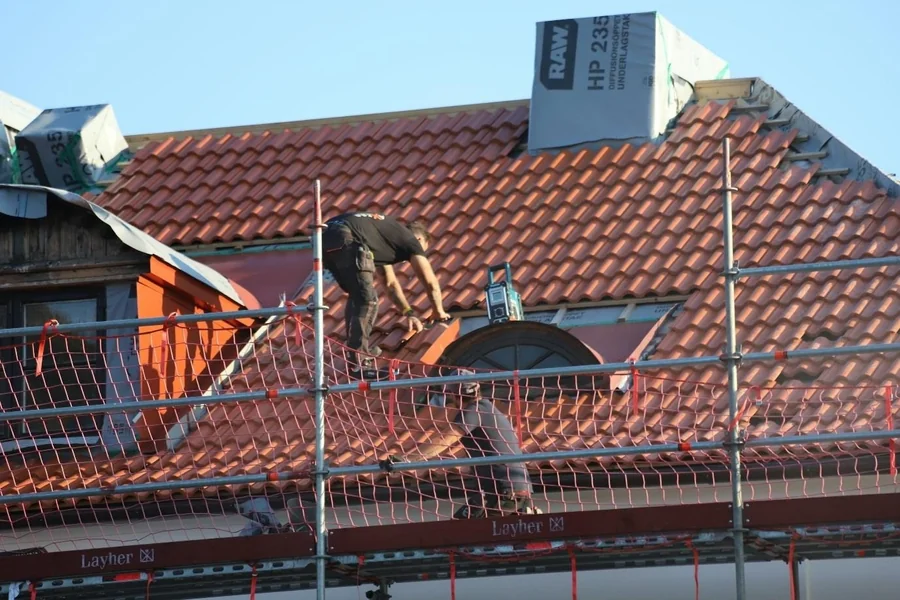
A building’s roof does not just keep your house covered; it impacts the strength, comfort, and value of the building.
Most homeowners do not realize how important it is until their roof begins to wear out or shows signs of damage. But the moment a discussion about roofing options starts, the information deluge hits you: different materials, different ways of installation, and entirely different standards of contractors.
Knowing the differences saves you from paying too much money for work that is rushed or a roof that fails early.
This guide explains the essentials in a very direct and practical way: how costs are determined, how materials compare, and how to select the right professionals for the job. With the right information, the whole roofing process is less stressful and much more attainable, no matter what size your job may be.
What Influences the Cost of Roofing?
It is useful to first understand what can influence the price of roofing services before exploring either materials or contractors.
Roofing projects can differ significantly because no home is the same as another, physically or structurally. A major cost driver is the size and slope of your roof. The larger and steeper your roof is, the more time and expertise are needed, and hence, this might increase the cost. If there are multiple levels to your roof, the cost is also likely to increase depending on the service provider’s policies.
Another factor is the condition of the existing structure. Before installation can start, more repairs may be needed if the underlying deck or support beams are damaged. This will mean extra time, labor, and cost.
Material choice also plays a key role. Some materials may be durable and strong, while others may be preferred for affordability and appearance. The material you choose will affect the total cost of your roofing. However, it is important to consult your service provider for expert advice.
Also, labor prices vary based on the complexity of the roof design and the level of expertise needed to complete it. Other key elements are debris removal, underlayment, ventilation upgrades, and types of warranty. When you understand what all these components will be, you can then more accurately compare estimates.
Choosing Roofing Materials
Choosing appropriate materials right from the beginning of the project itself is one major decision you should make. This would affect the durability, maintenance, and appearance of the materials.
One of the most popular choices for balancing low cost with reliable performance and beautiful colors is asphalt shingles. You can fit them in just about any home style, and they tend to install pretty easily.
With its climatic versatility, heat reflection, and general durability, metal roofing is gaining widespread acceptance over other conventional materials like asphalt shingles. In most cases, individuality is achieved through the use of concrete or clay tiles, which lend an architectural character. Since they are very tough and strong, they are significantly heavier than other roofing materials; your house must be sturdy enough to withstand them.
The other high-end option is slate, which also boasts a great lifespan and classy looks. Because it’s portable and fragile when handled, expert installation is needed. Each of these materials has something to offer. That’s where research and expertise come into play, helping you make the right choice for your home.
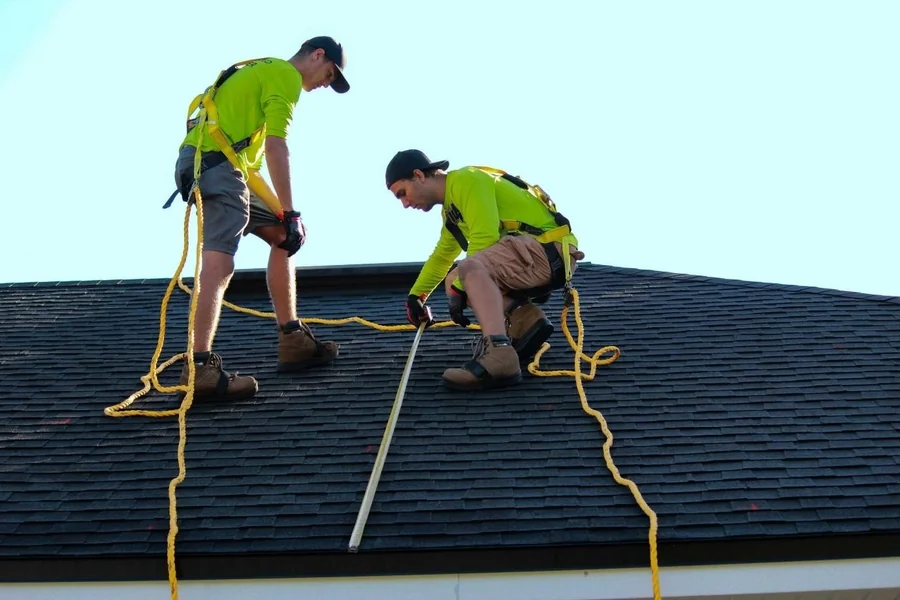
How to Assess and Select the Right Contractor?
1. Search for Proven Experience
Selecting the right roofer will have a significant impact on the outcome of your project, as even the toughest materials are unlikely to perform correctly if their installation is rushed or poorly executed.
A good starting point would be experience.
Contractors who have been in the same business for a longer period tend to do a better job, as they have dealt with a wider range of roofs and structural issues, as well as different weather conditions. Their past projects demonstrate their workmanship, enabling you to make informed judgments about whether their style and skill align with what you need.
2. Make Clear and Detailed Estimates a Priority
The second aspect is transparency in documentation. A good contractor will provide a written estimate that contains materials, labor involved, removal of old roofing, disposal, and any other services included. Such detail protects you from hidden charges and also enables you to compare multiple quotes fairly.
3. Verification of Certification and Insurance
Another important factor is proper certification and insurance.
Roofing involves risks associated with heights, heavy lifting, and the use of power tools; you need a contractor who is both compliant with the law in terms of regulations and who has insurance against these risks. This way, you are protected against liabilities that might arise as a result of accidents and are also assured that the contractor meets industry standards.
4. Assess Their Communication Style
Of equal importance is communication. Note how the contractor answers your questions, describes the installation timeline, and sets expectations for potential disruptions. A professional who communicates well will more than likely be responsible for handling your project and will keep you updated throughout the process.
5. Consider Reputation and Reliability
Finally, consider the reliability and reputation of a contractor.
Check for consistently good feedback through reviews or word of mouth, noting comments about punctuality, cleanup, and responsiveness to issues after installation. Reliable contractors won’t just do the job, but will also stand by their work, making them a safer long-term choice for your home.
Common Mistakes to Avoid
Roofs are daunting projects for many, leading most to make avoidable mistakes. Among the mistakes made are:
- Picking the lowest quote without asking why it is so low. Of course, cheaper isn’t really better, especially if it involves inexperienced labor or low-quality materials.
- Failing to check the warranty thoroughly is another mistake. Roofing warranties vary considerably in both coverage and duration. Know what is included in the warranty to protect you from early defects.
- Many property owners overlook routine inspections after installation, assuming a new roof will last for many years to come. However, the early detection of small glitches will save you from major damage.
- Another mistake made is choosing materials solely based on the look of the roof. The roof may look excellent, but it doesn’t match the structural strength or climatic conditions of the home, and it would definitely do poorly in the long run.
Identifying these pitfalls helps you make more confident decisions.
Closing Remarks
Roofing is among the biggest investments one will ever make for their home, and it’s crucial that one approach that investment with the right information.
Knowing what influences cost, choosing materials that match your environment and long-term goals, and selecting a clear, competent contractor primes you for a well-functioning roof that lasts many years.
A well-planned roofing project not only improves the curb appeal but also fortifies your home’s protection and adds long-term value. You go into the project with confidence, knowing your home is in good hands, thanks to proper planning and informed decisions.