Understanding RTP and Volatility in Online Pokies: A Guide for New Zealand Players
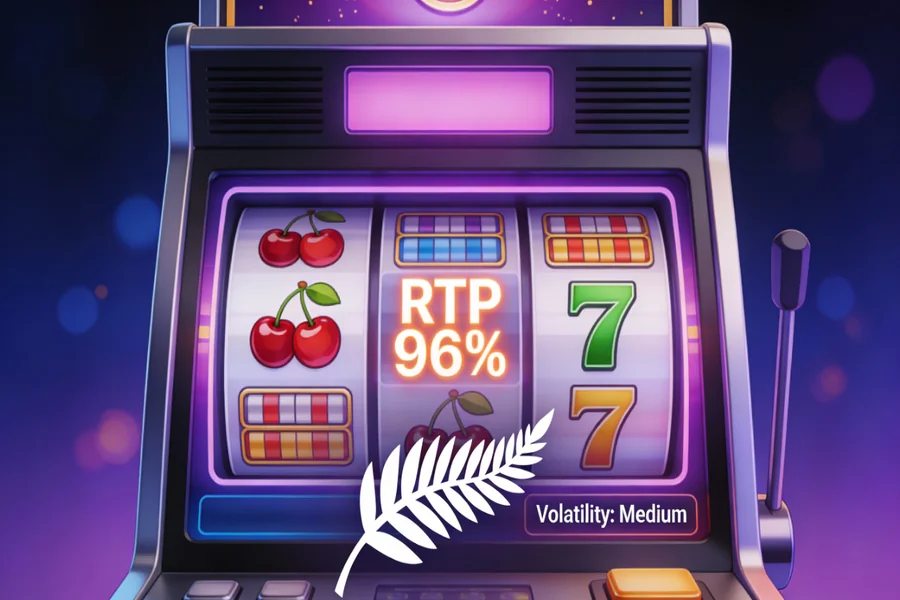
If you’ve spent any time playing pokies, you’ve probably heard terms like RTP and volatility thrown around. These two factors make a huge difference in your gaming experience, yet many Kiwi players don’t fully understand what they mean or how they work together. I’ve seen players pick games based purely on flashy graphics or big jackpot numbers, only to burn through their bankroll in minutes.
Let’s change that. This guide breaks down RTP and volatility in plain English, so you can make smarter choices when you’re browsing through your favorite online pokies casino and actually understand what you’re getting into.
What is RTP in Online Pokies?
RTP stands for Return to Player, and it’s basically a percentage that tells you how much a pokie pays back over time. For example, a game with 96% RTP theoretically returns $96 for every $100 wagered. Notice I said “theoretically.” This number is calculated over millions of spins, not your 50-spin session on a Friday night.
Here’s the thing that trips people up. RTP is a long-term average. You could play a 96% RTP pokie for an hour and walk away with double your money, or you might lose it all. The percentage reflects what happens when thousands of players spin millions of times. Think of it like flipping a coin. You expect 50/50 heads and tails, but if you flip it ten times, you might get seven heads. Same concept.
In New Zealand, anything above 96% is considered solid. When you start seeing 97% or higher, that’s excellent territory. Games like Mega Joker sit at 99%, which sounds amazing on paper. But here’s where it gets interesting. RTP alone doesn’t tell you the whole story. A 96% RTP game can feel completely different from another 96% RTP game, and that’s where volatility comes in.
Most licensed online pokies casino platforms display RTP information in the game’s paytable or info section. If you can’t find it, that’s a red flag. Reputable providers always make this data available.
Understanding Volatility (Variance) in Pokies
Volatility, sometimes called variance, describes how a pokie pays out. It’s about risk and reward patterns. Low volatility means frequent small wins. High volatility means rare but potentially massive wins. Medium sits somewhere in between.
Picture this. You’re playing a low volatility pokie. You might win something every few spins. Maybe 5x your bet, 10x, occasionally 50x. Your balance moves up and down, but it stays relatively stable. These games feel friendlier because you’re constantly getting little hits of excitement. Games like Starburst fall into this category.
Now imagine a high volatility pokie. You spin ten times. Nothing. Twenty spins. Still nothing. Your balance is dropping fast. Then suddenly, boom. You hit a feature that pays 500x your bet. High volatility games can be brutal. You need patience and a decent bankroll to weather the dry spells. Dead or Alive 2 is a classic example. I’ve gone 100+ spins without anything meaningful, then had a bonus round pay 2,000x. That’s high volatility in action.
Medium volatility offers a middle ground. You’ll get wins often enough to keep things interesting, but there’s still potential for bigger hits. These games suit most playing styles and budgets.
RTP vs Volatility: Key Differences
This is where things click into place. RTP tells you how much comes back. Volatility tells you how and when it comes back. Two pokies can both have 96% RTP but play completely differently because of volatility.
Let me give you a real comparison:
| Game Type | RTP | Volatility | Playing Experience |
| Game A | 96% | Low | Pays 50-100x frequently, max win 500x |
| Game B | 96% | High | Long dead spins, then 5,000x possible |
| Game C | 97% | Medium | Balanced mix, occasional 1,000x wins |
All three return roughly the same amount long-term. But your actual session? Completely different. Game A keeps you entertained with steady action. Game B tests your nerves but offers life-changing potential. Game C gives you a bit of both.
I learned this the hard way. I once played a 97% RTP pokie thinking it would be generous. It was high volatility. I watched $100 disappear in what felt like five minutes. The RTP didn’t save me because volatility dictated short-term results. Understanding both factors together is essential.
How to Choose Pokies Based on Your Playing Style
Your playing style should guide your game selection. There’s no “best” choice, only what works for you.
If you’re a conservative player with a smaller bankroll, stick with high RTP and low to medium volatility. These games maximize your playing time. You won’t hit massive jackpots, but you’ll get entertainment value without burning through your funds instantly. Perfect for casual Friday evening sessions with a $50 deposit.
Chasing big wins? You want high volatility pokies. Yes, you’ll experience long losing streaks. But when features hit, they hit hard. Make sure your bankroll can handle 100+ dead spins. I’d suggest at least 100x your bet size as a starting point. If you’re betting $1 per spin, have at least $100 ready. This isn’t a guarantee, just a practical buffer.
For balanced gameplay, medium volatility with 96%+ RTP is your sweet spot. These games offer regular enough wins to stay engaged, plus occasional bigger hits that make things exciting. They’re great for players who want variety without extreme swings.
Bankroll size matters enormously. If you’ve got $20 to play with, high volatility games are risky. You could lose it all before triggering a single feature. Low volatility gives you more spins and more chances to actually enjoy the experience.
Where to Find RTP and Volatility Information
Finding this information is easier than you might think. Most modern pokies display RTP and volatility directly in the game. Look for the “i” button or paytable icon, usually in the corner of the screen. Click it, and you’ll see game rules, payout tables, and usually the RTP percentage.
Some developers also list volatility as a rating. You might see “Volatility: High” or a scale from 1-5. NetEnt, Pragmatic Play, and other major providers are generally transparent about this.
If it’s not in the game, check the provider’s website. Companies like Play’n GO and Big Time Gaming publish detailed game sheets with all the math. Just search “game name + RTP,” and you’ll usually find official information.
Casino review sites and pokie databases are another resource. Sites focused on New Zealand players often compile RTP and volatility data for popular games. Just verify the information is current, as some games have multiple RTP settings that casinos can choose from.
Here’s an important note. Always play at licensed casinos. Legitimate platforms can’t manipulate RTP because games are certified by independent testing agencies. If a casino seems dodgy about showing RTP information or operates without proper licensing, walk away. Your money deserves better.
Making Smarter Choices
Now you’ve got the knowledge to pick pokies that actually match what you’re looking for. RTP shows the long-term payout percentage. Volatility reveals how that payout is distributed across your gaming session. Together, they paint a complete picture of what you’re getting into.
Next time you’re browsing games, take thirty seconds to check these numbers. It might save you from frustration or help you find that perfect pokie that matches your budget and playing style. Knowledge is power, especially when real money is on the line. And remember, pokies are entertainment. Play responsibly, set limits, and never chase losses. The math always favors the house eventually, so treat it as fun, not income.