What Doctors Wish Seniors Knew About Recovering From Falls
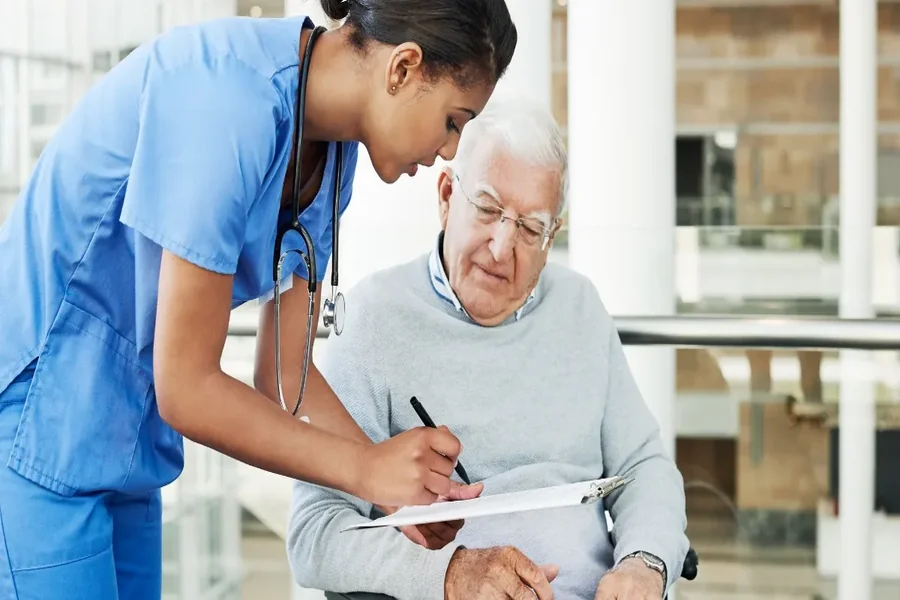
Older adults fall more often than they think. Approximately four out of every ten elders fall in a year and whereas most of them unscathed with small bruises, the healing process can have its fair share of challenges that are not foreseen by the family. These trends are recurrent in the practice of the doctors, and there is a disconnect between what the medical professionals understand as regards to the recovery of falls and what the seniors and their families generally anticipate.
The First 48 Hours Matter More Than You Think
The post fall period is very crucial, even when the injuries appear minor. Physicians remind the elderly that they should be checked after any serious fall and not only those that cause apparent pain or injury. Little breaks, bleeding inside and those small head injuries do not always manifest themselves immediately. What can be handled on the first day can turn into a serious issue in the third day.
According to physicians working in emergency rooms, a lot of senior citizens minimize their falls or postpone medical help because they do not want to be a big deal. Such hesitation may make a solvable issue to become a complex medical case. The action of the body to trauma varies in relation to age and what may take a short period in a young individual can take a long time to recover in an individual aged above 70.
Physical Recovery Takes Longer Than Expected
When an elderly person falls and has a broken bone, we can only tell half of the story about it. Recovery takes a long time even after the cast is removed or the function of the surgical site is sealed. During the act of low activity, muscles get weak fast and it takes hard work to build strength and balance. Physical therapists find they frequently receive elderly who are shocked to discover that it takes months and not weeks to restore their pre-fall mobility level.
The resultant deconditioned state after a fall is frustrating. Less movement results in weakness which results in less movement. The only solution to this pattern would be regular physical therapy and physical exercise, which most seniors have difficulties staying motivated when improvement is slow. Physicians hope that patients will realize that this prolonged schedule is healthy, and it does not indicate that their healing is not progressing.
The Psychological Impact Hits Hard
This is what most families are not ready about: the psychological and emotional consequences of a fall are often more significant than the physical ones. Also known as fear of falling by the doctors, post-fall syndrome is a serious problem encountered by a considerable number of older adults who have encountered a fall. This is not a case of nervousness or correct prudence. It is a fear which limits everyday life and narrows down the world of someone.
The elderly who have post-fall syndrome begin to shun away what they enjoyed previously. They cease to attend parties, abandon activities that involve standing or walking, and get more confined to the house. The fear is not always based on the real danger and proportional to the real danger, nor is it based on the actual risk, but all the more real to the person experiencing it. Mental health experts observe that the anxiety may degenerate into depression and social isolation in the event that it is not addressed.
Prevention Becomes Part of Recovery
Healthcare experts emphasize that a fall does not only require treatment of the immediate trauma. It is also about avoiding the next one. Statistics indicate that having one fall increases the possibility of the second fall two times, that is why physicians pay much attention to the discovery and the treatment of the factors that led to the first fall.
This might mean reviewing medications that affect balance, treating underlying conditions that cause dizziness or weakness, improving home safety, or using assistive devices. Many seniors resist using canes or walkers because they view them as symbols of decline, but doctors see them as tools that enable continued independence. Having access to the best life alert in Canada provides another layer of protection, ensuring that if another fall does happen, help arrives quickly rather than a person lying injured for hours.
Medication Changes During Recovery
The drugs given following a fall may also come with their share of problems. Acute pain medication, in particular opioids, predisposes falls due to their impact on balance and cognition. There are chances of interaction between anti-inflammatory drugs and already existing prescriptions. Any subsequent falls become potentially deadly due to the risk of increased bleeding, as blood thinners may be prescribed in case of some injuries.
Doctors hope that the elderly would be more active when it comes to discussing their medication side effects and inquiring them about the impact that new medications have on their safety and alertness. It aims at pain management and healing and reducing the risk of further falls, yet such a balance can be achieved only through fundamental communication between the patients and their medical practitioners.
Nutrition and Hydration Get Overlooked
Falling back to normal exerts additional burdens on the body, but most elderly people do not change their diets to accommodate the extra needs. Protein consumption is particularly significant in the process of tissue repair and muscle and mass maintenance. Calcium and vitamin D aid in the recovery of bones. Proper hydration has an impact on medication efficacy to mental activities.
The problem is that appetite often decreases after a fall, whether due to pain, medications, or reduced activity levels. Doctors see seniors who are technically eating but not consuming enough nutrients to support optimal healing. This nutritional deficit can extend recovery time and increase the risk of complications.
The Conversation About Independence
The most difficult aspect of fall recovery may be the discussion of the long-term safety and independence. Physicians are put in a challenging situation to assist families to make choices on where to live, driving and day to day activities. The fall is usually a wake up call that the present conditions may not be tenable.
Such discussions are better placed in advance as opposed to crisis mode. Older adults who have fallen before must be honest with themselves on whether they can safely maintain their present living or they are required to make some changes. This may include letting someone assist with some of the chores, modifying the home, or different livelihood options. It is not aimed at getting rid of independence but rather assisted in a manner that would mitigate the risk.
Moving Forward After a Fall
Falling recovery is seldom physical. It is a process of restoring the confidence, which means revising the expectations, fears, and sometimes even making tough choices regarding the future. The physicians achieve the most success with elderly people who are willing to treat the recovery as a process, but not as something that will happen on its own with time. It involves attending physical therapy sessions, completing home work even when improvement seems to be slow, telling truth about fears and limitations, and being involved in life as opposed to avoiding life.
The seniors that cope best are those that perceive the fall as information and not a disaster. It is information concerning the existing risks and strengths, which can be used to make wiser decisions in the future. Most elder adults are able to overcome the effects of falls and be able to live a full life with proper medical care, proper precautionary measures, family and health support. The trick is to realize that recovery goes beyond waiting until bruises clear or bones mend but is a process that involves more than that.