When Sound Becomes Structure: Inside the World of Tony Grieco Paris
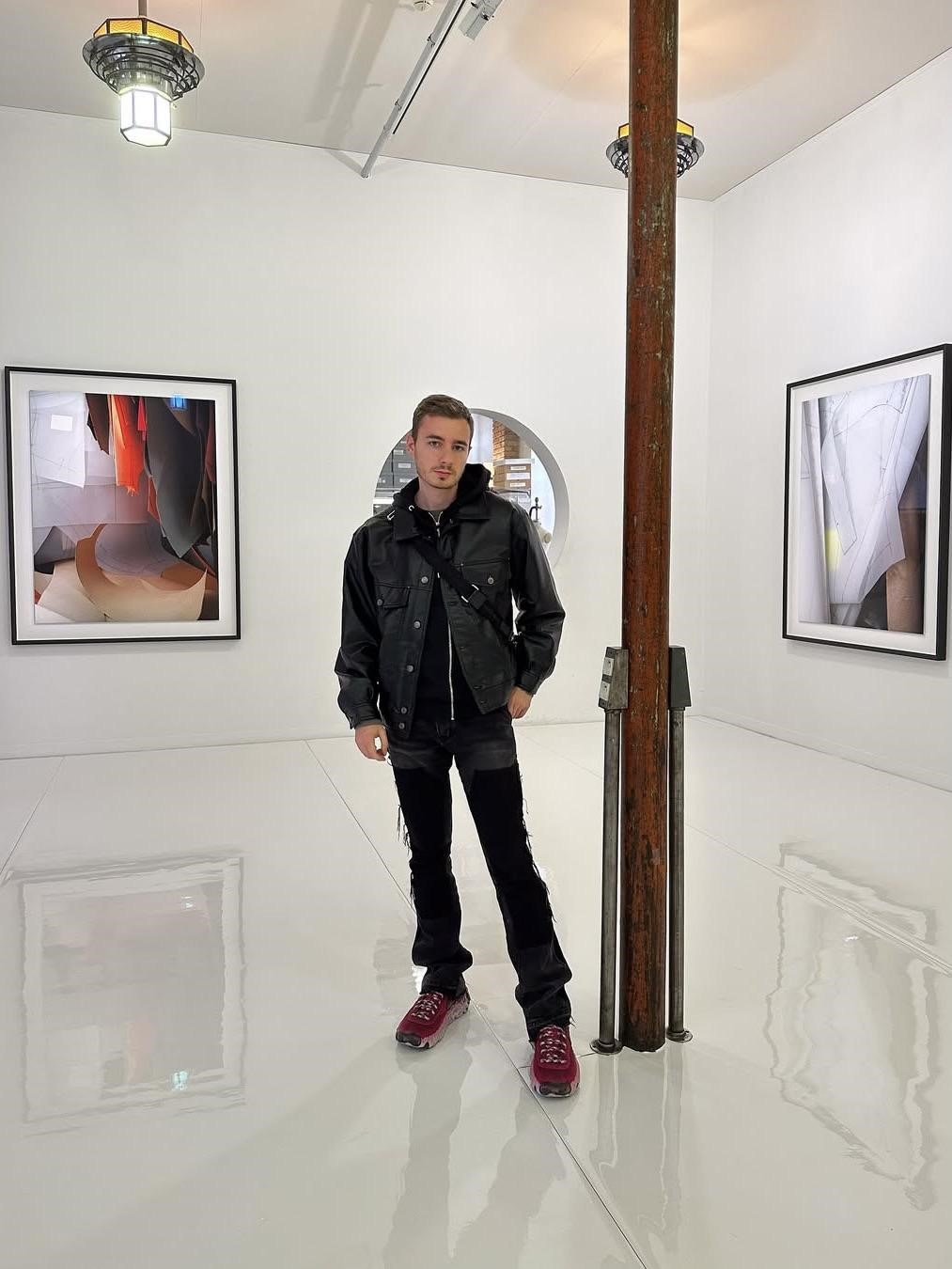
Los Angeles, California — Tony Grieco doesn’t sketch first. He listens.
It sounds like the kind of thing a designer says in an interview to seem interesting. But spend any time looking at how Tony Grieco’s brand actually comes together — track released, travels taken, fabric pulled, prototype built — and the sequence holds up. The music really does come before the clothes.
The Long Way Around
He didn’t arrive at his own label quickly. Years went into other people’s visions first — Givenchy, Saint Laurent, Azzaro, Daniel Wellington. The kind of places where a miscut gets noticed and a badly finished seam is a conversation. That rigor stuck. It’s visible in how Tony Grieco Paris is constructed, even when the inspiration behind a collection is something as intangible as the feeling of a percussion loop at two in the morning.
What those years couldn’t give him was room. Electronic music, club culture, the physical strangeness of sound experienced in a body — none of that had a home in a traditional atelier. So eventually he made his own.
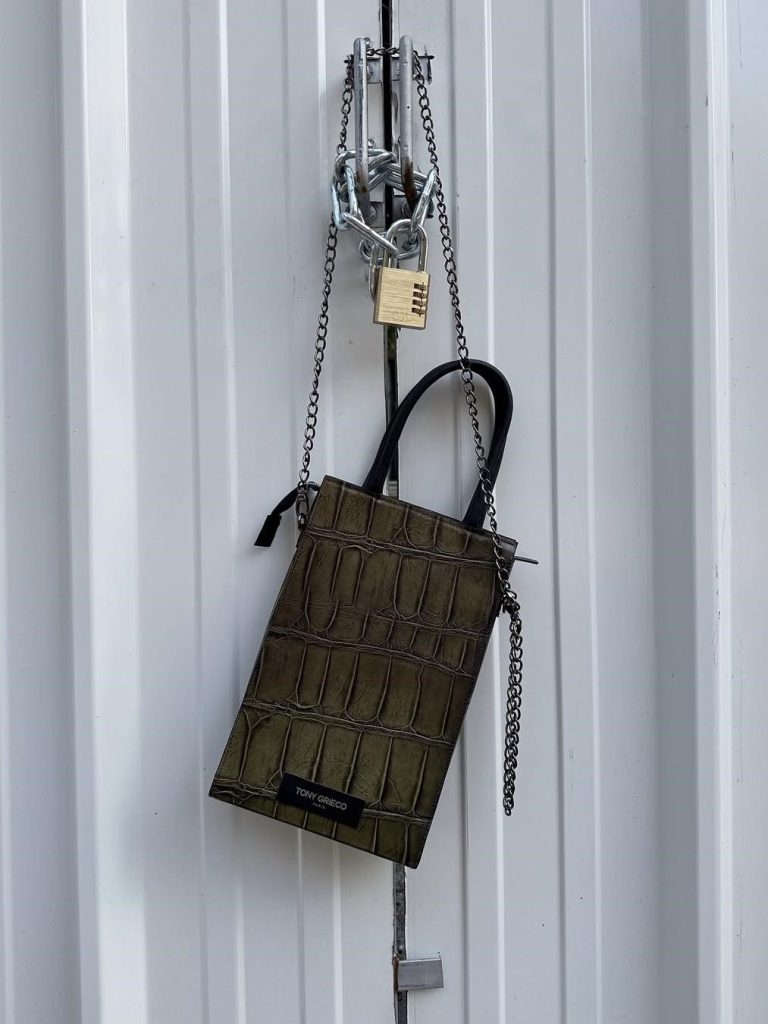
What Desert Drums Actually Is
February 2026. Grieco puts out a track called Desert Drums — layered percussion, electronic textures that feel geological in their slowness. He’d been traveling. Egypt, the UAE. The record came out of that.
Here’s what it isn’t: it isn’t a record that sounds like Egypt. There are no obvious signifiers, no borrowed scales, nothing that announces its influences out loud. What it has instead is weight. Repetition. A sense of landscape that’s more physical than pictorial.
That’s exactly what’s now being developed into a collection. Expected later this year. Early prototypes, from what’s been reported, are working out how fabric behaves in motion — whether a material can carry a rhythm the way a kick drum does. It’s a strange brief to give a garment. But that’s the point.
The Abloh Question
Someone will always bring up Virgil Abloh when a designer moves across fashion and music. It’s fair, and also a little reductive at this point. Abloh mattered because he made the crossover legible — made it something the industry could recognize and reward rather than dismiss. That changed things for a whole generation.
Grieco is part of that generation. But Tony Grieco Paris is its own thing, still being figured out. The visual language isn’t locked in yet. The audience is still assembling. In another context that might sound like a problem. Here it reads more like an open door.
On the Travel
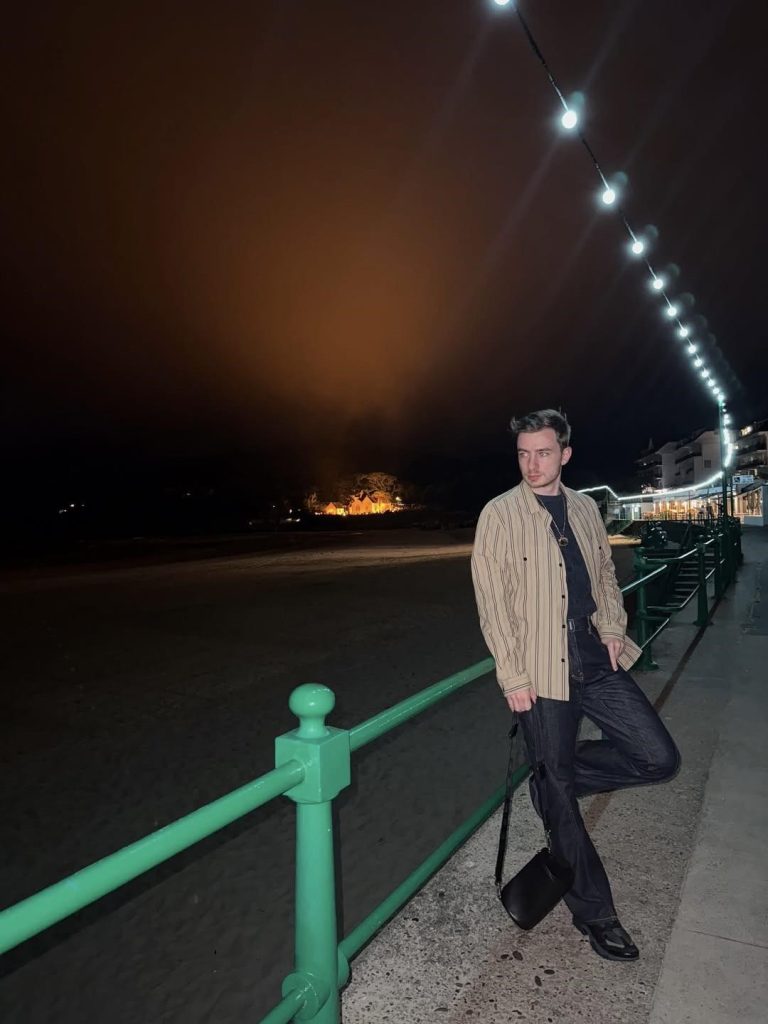
He went to the Middle East and came back without a moodboard. No prints pulled from local architecture, no palette borrowed directly from a souk. What came back instead was harder to photograph — a heaviness, a quality of light, the particular silence inside heat. Neutral tones. Surfaces with texture that you want to touch before you look at. Layers that suggest climate rather than quote it.
It’s the difference between a designer who travels to collect and one who travels to metabolize.
Independent, and Building
Tony Grieco Paris doesn’t have a conglomerate behind it. What it has is streaming platforms, social media, a visual practice that runs alongside the fashion work rather than just supporting it. The community gets built in public, in real time, before the institutional recognition shows up — if it shows up.
That’s just how independent labels work now. It’s more exposed than the old model. It’s also more honest.
The collection coming out of Desert Drums will tell us something important. Not just about where Tony Grieco Paris is headed aesthetically, but about whether this whole method — sound to structure, sensation to garment — can produce something that outlasts the concept behind it. That’s the test every designer faces eventually. His just happens to start with a bassline.