Why Celebrities Are Becoming Part of FAANG’s Brand Strategy
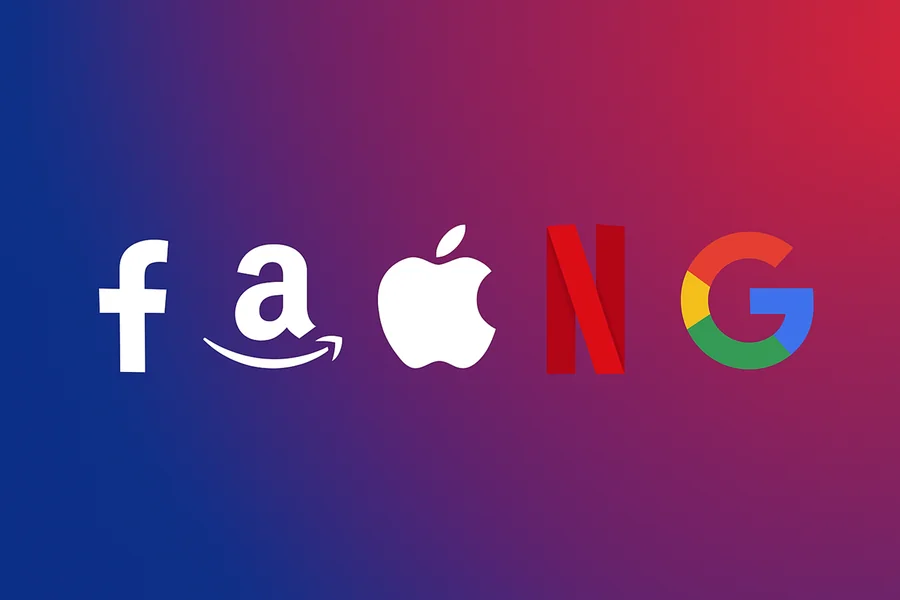
Celebrities are no longer just faces in commercials, they are becoming strategic partners in how the world’s biggest tech companies shape trust, relevance, and cultural influence. This article explores why FAANG companies increasingly rely on celebrity power and how it fits into their broader brand strategies.
The Shift From Product-Led to Culture-Led Branding
For years, FAANG companies focused on product superiority. Faster devices, smarter algorithms, better user experiences. That foundation still matters, but the competitive landscape has changed. Features are copied quickly, innovation cycles are shorter, and public scrutiny is higher than ever.
This is where branding moves beyond specs and into culture. In discussions about the FAANG meaning, the acronym represents more than stock market giants. It reflects companies that shape how people work, communicate, watch, shop, and even think. To stay influential, these brands must feel human, relatable, and culturally fluent.
Celebrities help bridge that gap. They act as familiar interpreters between complex technology and everyday life. When a trusted public figure uses or endorses a product, it reframes technology as something personal rather than abstract.
Trust, Attention, and the Celebrity Effect
One of the most precious currencies in tech has turned into trust, as the issues of privacy of data, fears of AI, discussions of content moderation, and regulatory pressure have left many consumers doubtful about large platforms.
Celebrities already enjoy trust amongst certain audiences. It is an athlete, musician, filmmaker or an entrepreneur, the credibility is transferred to the brand that they belong to. This does not imply unquestioning acceptance. FAANG companies are more and more inclined toward characters whose personal brand fits their values or intended positioning.
Attention is another factor. Celebrities cut through noise in an infinite content world. An act of launching a product being tweeted by a well-known actor or a behind-the-scenes video by a world-known pop star can create a reach traditional advertising can hardly achieve.
How Each FAANG Company Uses Celebrity Power Differently
Although grouped together, FAANG companies use celebrities in distinct ways that reflect their business models.
Apple focuses on creativity and status. It partners with musicians, filmmakers, and athletes to position its products as tools for self-expression. Campaigns often show celebrities actually using devices rather than just posing with them, reinforcing authenticity.
Amazon leans into entertainment and familiarity. From celebrity voices on Alexa to star-driven Prime Video promotions, Amazon uses celebrities to make a vast ecosystem feel approachable and fun.
Google highlights intelligence and usefulness. Its celebrity partnerships often emphasize learning, creativity, and problem-solving, aligning with Google’s image as a helpful companion rather than a flashy brand.
Netflix arguably pioneered the modern version of this strategy. Stars are not just endorsers but core assets. Actors, directors, and comedians actively promote the platform because their success is tied to it.
Meta uses celebrities to normalize new technologies. From VR experiences to creator tools, celebrity adoption helps reduce friction and fear around emerging platforms.
From Endorsements to Strategic Partnerships
What makes today’s celebrity involvement different is depth. This is no longer about one-off commercials. Celebrities now appear as creative collaborators, investors, or long-term ambassadors.
Some co-create content. Others help shape product features or exclusive experiences. In certain cases, celebrities even act as early adopters whose feedback influences development.
This approach benefits both sides. FAANG companies gain cultural credibility, while celebrities gain access to technology, data insights, and global distribution platforms that extend their personal brands.
Social Media and the Creator Economy Connection
The rise of the creator economy has blurred the line between celebrities and platforms. Many celebrities are also content creators with direct relationships to millions of followers.
For FAANG companies, this is incredibly valuable. A celebrity is no longer just a media buy. They are a distribution channel, a community leader, and sometimes a product ecosystem of their own.
Platforms like Instagram, YouTube, and TikTok have conditioned audiences to expect authenticity. Traditional ads feel less persuasive than genuine usage. When a celebrity integrates a FAANG product naturally into their workflow or content, it feels like a recommendation rather than an ad.
Risk Management and Brand Control
Celebrity partnerships are not without risk. Public figures can be unpredictable, and scandals can quickly spill over to brands.
This is why FAANG companies are increasingly selective. Data-driven analysis now plays a role in choosing partners. Audience demographics, sentiment analysis, brand alignment, and historical behavior all factor into decisions.
Contracts also tend to be more flexible and performance-based. The goal is to capture upside while limiting long-term exposure if public perception shifts.
Why This Strategy Is Likely to Grow
Looking ahead, celebrity involvement in FAANG branding is likely to deepen rather than fade. As AI, virtual reality, and new digital experiences become more complex, companies will need trusted guides to introduce them to the public.
Celebrities serve that role well. They humanize innovation, accelerate adoption, and anchor abstract technology in familiar stories.
In a market where attention is scarce and trust is fragile, FAANG companies are not just selling products. They are selling narratives about the future. Celebrities help make those narratives believable, relatable, and culturally relevant.
That is why celebrities are no longer a marketing accessory for FAANG. They are becoming a core part of the brand strategy itself.