The Skills Every Injector Needs for Safe, Natural-Looking Results
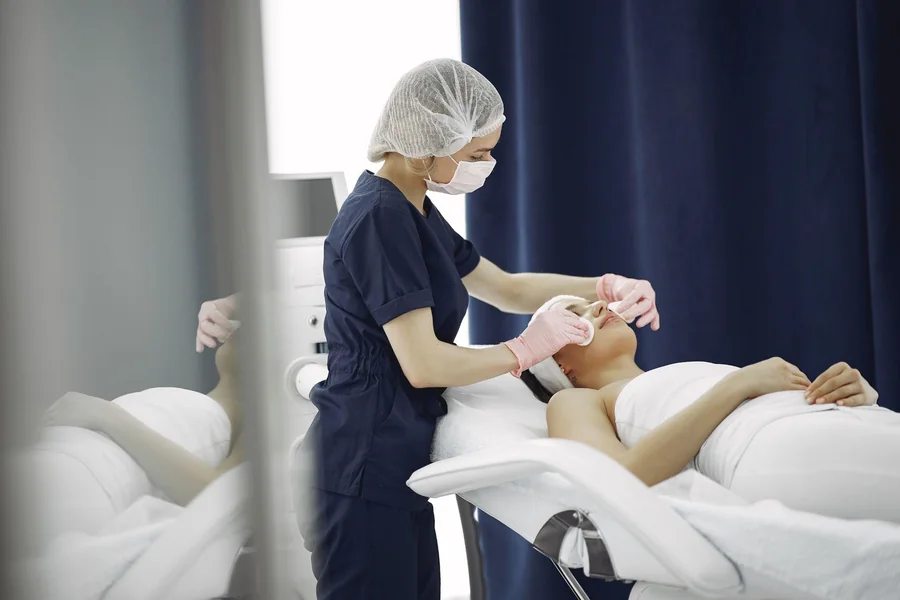
In aesthetics, much like the philosophy behind clean fashion, subtlety and intentionality define success. Just as clean fashion values timeless design, sustainability, and thoughtful detail, clean aesthetics focuses on enhancing a client’s natural features through precise and responsible treatments. Achieving these results requires more than artistic intuition, it demands comprehensive knowledge, technical skill, and a deep understanding of facial anatomy. For both aspiring and experienced injectors, mastering these competencies depends on rigorous Medical Aesthetic Training, which equips practitioners with the tools to deliver safe, natural, and aesthetically pleasing outcomes.
Clean Aesthetics: A Philosophy of Subtlety
Clean aesthetics is centered on balance, harmony, and enhancing individuality. Much like a clean wardrobe avoids excessive patterns or fleeting trends, clean aesthetic treatments avoid overfilling, unnatural lines, or over-correcting facial features. This approach is patient-centric, emphasizing longevity, safety, and understated results.
For injectors, adopting this philosophy requires intentional decision-making—knowing when to intervene and when restraint is the best treatment choice. Precision and education are the foundations that allow injectors to elevate results without compromising natural expression.
Anatomical Mastery: The Foundation of Safe Practice
A thorough understanding of facial anatomy is non-negotiable for delivering safe and effective results. Injectors must have a detailed knowledge of muscles, nerves, vessels, and underlying structures to prevent complications such as vascular occlusion, bruising, or nerve injury.
Medical Aesthetic Training programs emphasize anatomy through theoretical modules, cadaver demonstrations, and hands-on workshops. These experiences develop precision, allowing injectors to plan treatments that complement the patient’s facial structure and aesthetic goals. Anatomy knowledge goes beyond technical skill—it provides the foundation for making every injection decision with confidence and safety.
Neuromodulators: Balancing Expression and Enhancement
Neuromodulators, such as Botox, are among the most widely performed aesthetic treatments. The key challenge lies in achieving the desired softening of lines while maintaining natural facial expressions. Incorrect dosing or placement can produce a frozen, artificial appearance, which undermines patient trust and satisfaction.
Structured neuromodulator training teaches injectors to assess muscle dynamics, determine appropriate dosage, and select precise injection points. Think of it as sculpting with restraint, removing tension without erasing personality. Through meticulous training, injectors can deliver results that look effortless, reinforcing the client’s natural beauty.
Dermal Fillers: Enhancing Volume and Contours with Finesse
Dermal fillers restore volume, refine contours, and rejuvenate aging skin, but success requires careful planning. Overfilling disrupts facial harmony, while underfilling may produce unsatisfactory outcomes. The art lies in creating balance, symmetry, and natural fullness.
Advanced Medical Aesthetic Training provides practitioners with techniques such as layering, linear threading, and precise bolus placement. By understanding facial proportions and patient-specific anatomy, injectors can achieve subtle results that appear intentional and elegant, rather than forced or exaggerated.
Patient Assessment: The Cornerstone of Personalized Care
Equally important as technical skill is the ability to assess and communicate effectively with patients. Each consultation should evaluate patient goals, expectations, and medical history. Understanding these factors ensures that the recommended treatments align with the patient’s vision and deliver predictable, natural results.
Subtle aesthetic improvements are only meaningful if they meet the client’s desired outcome. Clear, empathetic communication fosters trust, sets realistic expectations, and minimizes potential dissatisfaction, reinforcing the importance of a patient-centered approach.
Safety and Risk Management in Aesthetic Practice
Patient safety is the ultimate priority. Structured training equips injectors with knowledge of aseptic techniques, risk mitigation, and emergency management, including the treatment of vascular compromise or unexpected reactions.
A successful injector integrates technical skill with meticulous attention to safety protocols. Combining education with hands-on practice reduces the likelihood of complications and upholds professional integrity, ensuring that every treatment is safe and effective.
The Value of Continuing Education
The field of aesthetics is dynamic, with evolving techniques, products, and patient expectations. Continuous professional development ensures injectors remain current with innovations, refine their technical skills, and maintain best practices. Workshops, advanced courses, and seminars provide opportunities to deepen expertise and learn nuanced approaches to natural enhancement.
Continuing education is not optional, it’s an investment in quality, safety, and long-term professional growth. By staying informed, injectors uphold the highest standards of patient care while refining the artistry required for subtle, elegant results.
Building Confidence Through Competence
Skill and knowledge naturally translate into confidence. Competent injectors are equipped to make informed decisions, handle unexpected challenges, and consistently deliver high-quality outcomes. This confidence is perceptible to patients, enhancing trust and satisfaction.
Like a fashion designer who understands every fabric and silhouette, a skilled injector approaches each procedure with precision, creativity, and intentionality. Confidence in technique allows for adaptability and the ability to produce nuanced, individualized treatments that align with the philosophy of clean aesthetics.
Ethical Practice: Enhancing Without Overdoing
Ethical responsibility is at the heart of clean aesthetics. Avoiding over-treatment, unnecessary procedures, or following trends without clinical reasoning ensures both patient safety and professional credibility. Responsible injectors prioritize subtle, patient-focused improvements over rapid, dramatic results.
By committing to ethical, thoughtful practice, injectors mirror the values of clean fashion: sustainability, intentionality, and quality over excess. This approach builds a reputation for trustworthiness and long-term patient satisfaction.
Conclusion: Harmonizing Art and Science in Aesthetic Practice
Clean aesthetics requires a combination of artistry, scientific understanding, and ethical responsibility. Comprehensive Medical Aesthetic Training equips injectors with the skills necessary to enhance natural beauty while prioritizing safety and patient well-being. From anatomical knowledge and neuromodulator expertise to dermal filler mastery and patient communication, each competency contributes to subtle, refined results.
The ultimate goal is to enhance without overwhelming, to provide natural-looking, confidence-boosting outcomes that respect individuality. By merging technical precision, continuous learning, and an ethical approach, injectors can achieve excellence in clean aesthetics, delivering results that are timeless, elegant, and safe.