Japanese Street Fashion and the Art of Layering
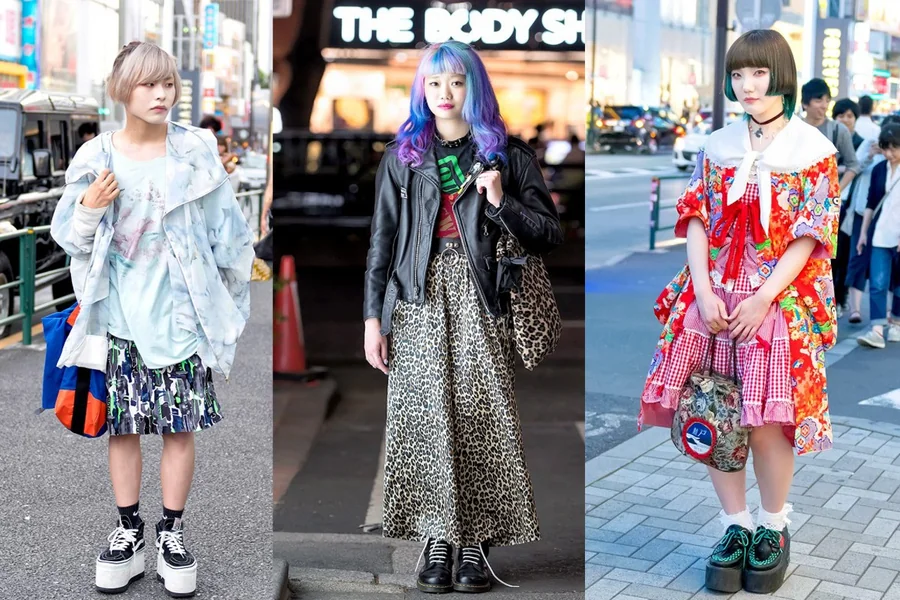
Layering is one of the most recognizable elements of japanese street fashion, but it is rarely about piling clothes at random. In Tokyo street style, layering is a deliberate way to construct a silhouette, create depth, and express individuality. What makes this approach stand out is its balance. Even when outfits appear complex, they rarely feel excessive. Each layer has a purpose, contributing to a coherent look that feels natural rather than styled for effect.
Layering as a Visual Language
Japanese streetwear uses layering as its design element which creates visual communication. The outfits use structural design and garment interaction to demonstrate their fashion style without needing loud graphics or strong branding elements. The long inner layer which shows through the jacket and the hoodie which extends beyond the coat create visual rhythm through their design. The details of the outfit lead viewers through the design while maintaining visual interest throughout the outfit. The process of layering enables basic clothing items to create visual statements which transform regular items into elements of a complete visual artwork.
Playing With Lengths and Proportions
One of the defining traits of Japanese street fashion is the way lengths are handled. Long tops are often worn under shorter outerwear, creating clear breaks in the silhouette. Cropped jackets paired with oversized inner layers shift attention away from symmetry and toward balance. This contrast keeps outfits dynamic and prevents them from feeling flat. In street style in Japan, proportions are rarely accidental. Each layer is chosen to interact with the others, ensuring the outfit feels intentional even when the styling appears relaxed.
Mixing Textures and Fabrics
The Japanese urban style uses texture as its main element for establishing various design layers. The combination of different materials creates depth which does not depend on using intense colors or strong patterns. The outfit includes soft cotton layers which women wear under structured denim while technical fabrics create a different look when combined with knits and wool. The different materials produce visual contrast which creates subtle visual tension. The wearer creates movement through their walking because light behaves differently on each surface. The outfit achieves both detailed appearance and three dimensional look without creating excessive visual weight.
Oversized vs Fitted Layers
Japanese streetwear uses layering as its main fashion element because designers create outfits that combine large and small clothing items. The combination of loose outerwear and tight inner layers establishes comfort while creating a specific body shape. The balance works to maintain the shape of the clothing. The combination of oversized coats or hoodies creates a strong visual impact, but the body maintains its shape through the wearing of fitted layers. The Japanese street style uses this style element because it lets people test different clothing options while looking stylish and comfortable.
Layering as a Tool for Individual Expression
Layering also plays a major role in personal expression within Tokyo street style. Rather than relying on statement pieces, individuals use layers to reflect mood, comfort, and identity. Two people wearing similar garments can look completely different depending on how those pieces are layered. Length choices, fabric combinations, and volume distribution all contribute to a unique result. This flexibility makes layering one of the most powerful tools in modern Japanese streetwear.
Layering for Everyday Wear
The visual elements of Japanese street wear, which showcase multiple layers, create an intricate design system that serves practical purposes. The designers create their clothing to support movement while protecting against changing weather conditions and providing comfort during extended periods of outdoor activity. The wearer can change their appearance by taking off or adjusting their clothing without losing their complete outfit design. The system needs this feature to function properly. People use layering as a dressing method which they apply to their daily activities instead of using it only for photo shoots. The most intricate outfits maintain a foundation of comfort which allows for easy movement.
The Role of Neutral Colors in Layering
Color functions as a background element which supports street fashion in Japanese street style. The fashion world uses neutral colors which include black and gray and beige and muted shades because these colors enable garments to display their design through their physical shape instead of their color. The design uses color restrictions to direct viewers toward observing the various textures and lengths and proportions of the object. The design maintains unified fashion elements through its multiple components which support the idea that fashion design uses layering for structural purposes instead of visual ornamentation.
When Layering Becomes Too Much
The practice of layering becomes ineffective when people stop showing their intentions. Adding extra layers to an outfit without assessing its proportion and texture and balance will create an overwhelming effect. Japanese streetwear requires artists to practice both their creative skills and their ability to control their work. The body loses its natural shape when the same length of clothing gets worn together and when the body gets dressed in oversized items that lack proper design. Successful layering depends on establishing precise design elements. The design requires each element to bring forth a separate aspect which can be demonstrated through its style and material and its arrangement in the design.
Conclusion
Japanese street fashion uses layering as its main style element because it shows the real way people dress. The system changes according to weather conditions and physical activity and personal preferences. The practice of layering allows fashion trends to develop their own natural progression. Japanese streetwear designers create stylish functional outfits by designing their clothes to maintain balance between proportions and textures. The practice of layering functions as both a method of creating outfits and a system that enables people to use clothing items to build their personal style.