Everything You Need To Know About Base Layers
Have base layers been recommended for you for an upcoming hike or ski trip, and you’re unsure if they are essential? Perhaps you’re unsure what base layers are? You aren’t alone! We are frequently asked about base layers and whether they are really essential, and we are here with the answers you need. Today, we will walk you through everything you need to know about base layers, including when to use them and what type you should choose.
What are base layers?
Base layers are the first layer of clothing worn, acting as a second skin and are placed before any other clothes. Base layers are designed to keep you cool or warm, and the phrase is often used interchangeably with thermal underwear. The goal is to add a layer of warmth while wicking away any moisture. Wicking away simply means absorbing and removing sweat from your body. The moisture is pulled away from your skin by the base layer, keeping you comfortable so you don’t need to worry about sweat.
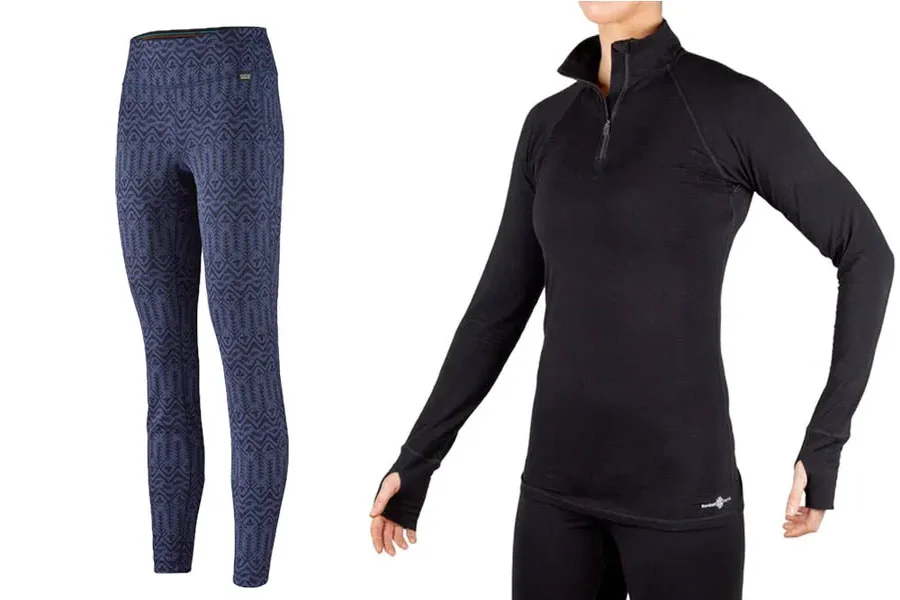
Base layers are typically categorised into two types: base tops and base bottom layers. These will be worn on their own or as part of your layering system to provide the warmth you need. Let’s take a closer look at base tops and bottoms now.
Base layer tops
Base layer tops are highly suggested in any outdoor activity either in summer or winter. Base layer tops usually have long sleeves, however they are available in short sleeves and vests in warmer seasons. These provide a base layer that would drag the water out in the summer so that one does not sweat as the weather increases, and winter editions offer more warmth and shielding. This is necessary to ensure that your blood is flowing and you are not shivering or dying in the cold.
Base layer bottoms
Base layer bottoms will add extra warmth under your trousers, making them the perfect addition for winter hikes. These bottoms can also be worn on their own during the summer. They are handy for summer runs, as they pull moisture away from your skin to keep you comfortable, even if you are running further than before.
Base layer bottoms can be worn under shorts to provide additional warmth, or you can opt for short base layers that offer heat retention and may even help prevent muscle soreness.
What are base layers made from?
Base layers and thermal clothing are typically made from either merino wool or synthetic materials. You must understand the difference between the two and their pros and cons to make the right choice for you:
Merino wool
Merino wool is a naturally warm base layer and is typically used for thermal clothing. Not only is merino wool perfect for keeping you warm, but it also regulates your body temperature to prevent overheating. This feature makes it perfect for hikes and is achieved by small air pockets, which pull excess heat away from your body.
Merino wool is naturally antibacterial, too, preventing body odour from sticking to the fabric and eliminating any smells if you forget to wash it straight away. The wool fibres are non-abrasive, making it perfect for sensitive skin.
There is a drawback to the many benefits of merino, and that is it takes longer to dry than synthetic base layers. It is also more expensive, so you will need to consider your budget before making a purchase
Synthetic
The cheapest are normally synthetic base layers, which are located in most shops and even online. They will weigh very little and will have the quick-drying technology and will be ideal on hot days when there is sweating. They are highly moisture-wicking and in most cases, they are applied in high-intensity tasks and aids.
Synthetic fabrics are ideal for muscle compression, too, and you will commonly find synthetic layers advertised as the following:
- Compression sleeves
- Compression vests
- Compression shorts
You can typically find these in sports such as football, rugby, basketball, tennis, and others, worn by both professional and amateur athletes.
Ideally, synthetic fabrics are the best option and yet they are non-bacterial. This implies that the smell of your sweat does not dissipate. You will desire washing them so that they do not allow the smell to be left to develop in the fabrics. To kill the bacteria and eliminate the smell, you may be required to wash them with an elevated temperature.
Synthetic materials typically won’t be as warm as merino wool, so they might not be the best option for winter sports or hikes.
How should base layers fit?
Typically, synthetic base layers will fit tightly against your skin while having the flexibility to move freely. Most synthetic base layers are stretchy, allowing you to retain your movements, but there is no need to size up or down for these.
Merino wool layers are usually looser and will sit next to your skin rather than tight to it. The goal is for it to be an athletic or fitted body fit instead of skin tight. You shouldn’t particularly need to size up or down unless the brand you choose recommends it.
Choose your base layers today
Now that you know what base layers are and how essential they are to sports and outdoor activities, it’s time to purchase yours. Torpedo 7 has a huge range of men’s thermal and base layers to keep you toasty without excessive sweating. Their range of merino wool thermals is perfect for New Zealand hikes, outdoor sports, or just to keep you toasty during the winter. Find your merino thermals for men with Torpedo 7 today!