Getting the Perfect Fit for Stainless Steel Bracelets
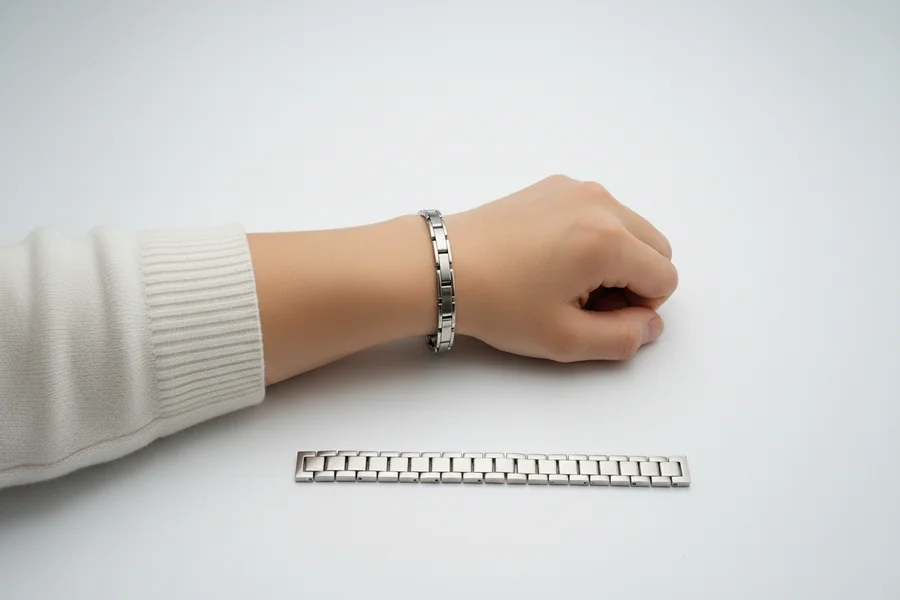
Stainless steel bracelets are now one of the most popular kinds of jewelry for people of every age. The bright metal looks good on men and women and goes with almost any clothes. You wear it at work, at parties or while you run errands. People like stainless steel because it does not rust, it rarely irritates skin plus it keeps its shine for years. But here’s the thing: even the most beautiful bracelet looks bad if the size is wrong.
A bracelet that fits right is more important than many realize. If the band squeezes the wrist, it hurts and can press lines into the skin or give your hand a tingling feeling. If the band hangs loose, it slides around, catches on corners or even drops off.
The best fit lets the bracelet sit easy on the wrist, look good but also stay in place all day. Nail the fit and you’ll forget you’re wearing it while others appreciate how sharp it looks.
Understanding Bracelet Sizes
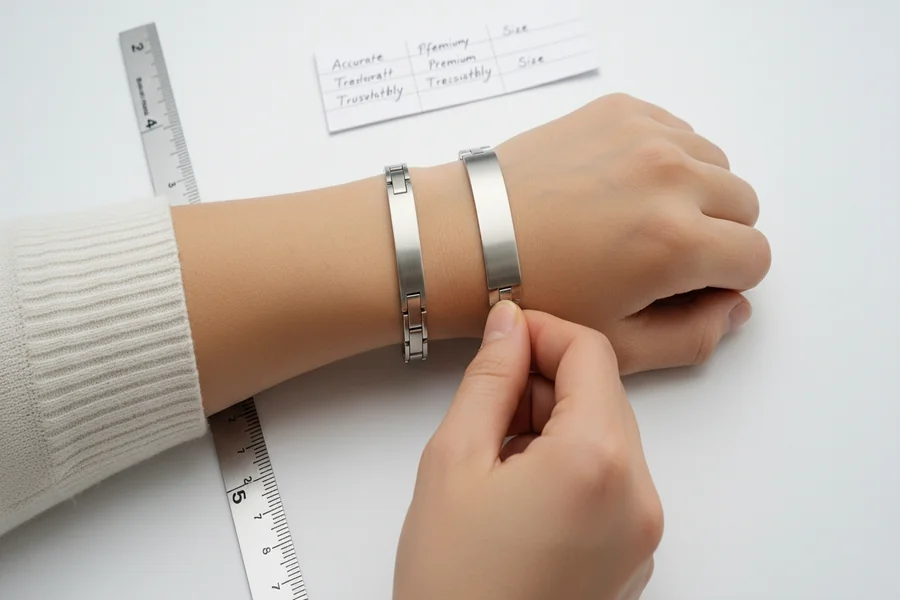
A stainless steel jewelry manufacturer typically makes bracelets in three standard sizes: small, medium, and large. Small bracelets usually measure 6 to 6.5 inches in length. Medium options typically span 7 to 7.5 inches. Large bracelets hit 8 inches or longer. These measurements represent the total circumference when the bracelet forms a complete circle.
Here’s where it gets tricky. Sizing varies wildly between brands and manufacturers. One company’s medium might match another’s small. Some brands use numerical systems instead of S-M-L designations. Others prefer centimeters over inches.
This inconsistency explains why you should always verify actual measurements rather than trusting size labels alone. When browsing online, hunt for comprehensive size charts showing exact dimensions for each option.
Measuring Your Wrist
Accurate wrist measurement forms the foundation of proper bracelet fit. You’ll need basic supplies: a soft measuring tape (the sewing kind), string or ribbon, and a standard ruler. With a measuring tape, wrap it around your wrist where you plan to wear the bracelet – typically just below the wrist bone. Keep the tape snug without tightening. Record this measurement in inches.
No measuring tape? No problem. Wrap your string or ribbon around your wrist using the same technique. Mark where the string meets itself with a pen or pinch it between your fingers. Lay the string against a ruler to determine length. This number represents your wrist size.
For best results, measure multiple times to confirm consistency. Consider measuring at various times throughout the day since wrists can swell slightly in heat or after physical activity.
Choosing the Right Style
Stainless steel bracelets arrive in numerous styles, each with distinct fitting characteristics. Bangles are solid circular pieces without clasps – they slip over your hand and should move freely on your wrist. You want to slide a bangle roughly 2 to 3 inches up your forearm.
Chain bracelets feature connected links with a clasp, fitting more snugly than bangles while maintaining mobility. Cuff bracelets are open bands that wrap around your wrist and allow slight adjustments through gentle bending.
Each style delivers a unique aesthetic and sensation. Bangles produce that characteristic metallic jingle and relaxed vibe. Chain bracelets project refinement and formality. Cuff bracelets make bold visual statements.
Your style choice directly influences ideal fit. Consider your lifestyle and wearing occasions. A loose bangle might interfere with athletic activities, while a fitted chain bracelet handles active wear beautifully.
Considering Bracelet Width
Bracelet width significantly impacts proper fit. Width refers to the band’s thickness when viewed on your wrist. Thin bracelets (under half an inch wide) accommodate snugger fits comfortably. They’re lightweight and barely register on your wrist.
Thick bracelets measuring an inch or wider require looser fits. A tight wide bracelet digs into skin, feeling cumbersome and restrictive.
Here’s a practical guideline: add more length for wider pieces. With a 6-inch wrist and a thin chain bracelet, add approximately 0.5 to 1 inch for comfort – targeting a 6.5 to 7-inch bracelet. For thick cuffs, consider adding a full inch to 1.5 inches. This extra space lets wider bands sit comfortably without pinching or limiting movement.
Smaller-wristed individuals should exercise particular caution with wide bracelets, which can dominate delicate wrists and feel overly heavy.
Adjustability Options
Adjustable bracelets solve sizing uncertainties and accommodate wrist fluctuations throughout the day. These pieces incorporate special features enabling size modifications. Some use sliding clasps that travel along chains to alter length. Others provide multiple hooks for customized fastening. Extension chains add supplemental length when needed. The primary advantage? They accommodate various wrist sizes, making them ideal gifts.
Learning proper adjustment techniques ensures optimal fit. For sliding clasps, gently pull bracelet ends to tighten or push together to loosen. With multiple hooks, attach the clasp to different positions until achieving desired length.
Manufacturers like Feebee Jewelry can help you with a custom stainless steel pendant of your size that fits perfectly. Just make sure you measure your wrist using previously discussed methods before ordering.
Try Before You Buy
Physical store shopping offers the advantage of hands-on testing. Slip the bracelet on and assess how it looks and feels. Walk around wearing it briefly. Rotate your wrist through different positions. Check for excessive sliding or tightness. Use a mirror to evaluate proportions on your wrist. Store associates can provide guidance based on your preferences.
Online shopping demands more strategic planning without try-on options. Check the product descriptions for precise measurements. Verify whether sellers supply detailed size charts. Review customer feedback for sizing insights – buyers often mention whether items run small or large. Examine any provided photos showing bracelets on various wrist sizes.
Many online retailers offer complimentary returns or exchanges, so investigate the return policy beforehand. This safeguard allows size exchanges if the delivered bracelet doesn’t fit properly.
Conclusion
A bracelet that sits right changes the way stainless steel feels. When the size is correct, the metal rests easy on the skin, goes with every outfit and stays in place all day. Take a true wrist measurement, note how wide the band is and how it looks – add a little slack so the bracelet does not pinch.
Time spent on size is time saved later. Classic bangles, light chains or wide cuffs all come in sizes that match the wrist. Use the steps above to pick one that suits both taste and measurement. Once the fit is right, the steel bracelet becomes a simple pleasing thing to fasten each morning.