Why Seasonless Dressing Is the Future of Sustainable Fashion
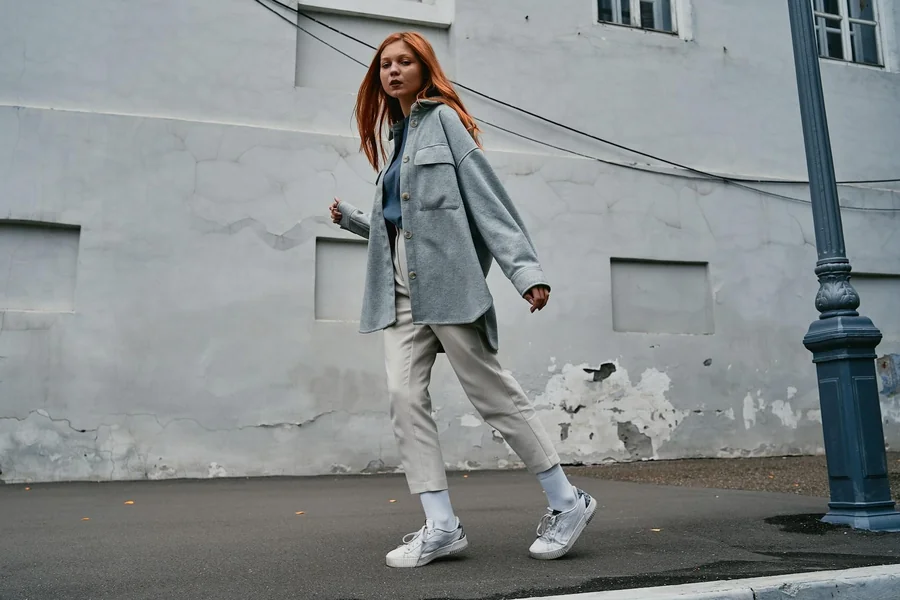
Fashion has long been organised around seasons. Spring/Summer, Autumn/Winter, micro-trends, capsule drops, the cycle moves quickly, and consumers are often encouraged to refresh wardrobes multiple times a year. Yet many people are quietly stepping away from this rhythm. Instead, they are exploring seasonless dressing: a slower, more intentional approach to clothing that prioritises longevity, versatility, and natural materials.
This shift reflects a broader awareness about sustainability. People are beginning to ask not only what they wear, but how long they will wear it. Rather than buying for a moment, they are buying for years. This is one reason heritage knitwear has seen renewed appreciation. Many shoppers exploring traditional Irish wool sweaters discover collections through retailers like Aran Sweater Market, a destination known for showcasing authentic Aran knitwear and time-honoured craftsmanship. A well-made sweater, after all, doesn’t belong to one month of the year, it becomes part of a lifestyle.
Seasonless dressing isn’t about ignoring weather. It’s about choosing pieces that layer, adapt, and remain useful over time.
Building a Wardrobe That Adapts
A seasonless wardrobe starts with versatility. Instead of many specialised items, it relies on fewer adaptable ones. Lightweight layers, breathable natural fibres, and classic silhouettes allow clothing to move across climates and occasions.
For example, shorts are often thought of as purely summer wear, but their usefulness extends further when designed thoughtfully. Structured options like tailored shorts uk styles show how a warm-weather garment can also fit transitional seasons when paired with knitwear or layering pieces. When clothing integrates easily into multiple outfits, it reduces the need for excess.
This philosophy supports both sustainability and simplicity. A smaller wardrobe with strong coordination can meet more needs than a crowded one filled with one-purpose items.
Natural Fibres and Longevity
Seasonless dressing often overlaps with a preference for natural fibres. Materials like organic cotton, wool, linen, and TENCEL™ tend to breathe well, regulate temperature, and age gracefully. They also connect wearers to the origins of their clothing.
Wool, for instance, is naturally insulating yet breathable. It works in cool weather but can also be comfortable in milder conditions. Linen offers similar adaptability in warmer climates. These materials reduce reliance on strictly seasonal wardrobes. When fabrics support comfort year-round, garments stay in rotation longer.
The Environmental Perspective
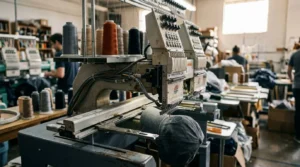
The fashion industry’s environmental footprint is widely discussed. Overproduction, waste, and short garment lifespans contribute to pollution and resource strain. Seasonless dressing offers a practical response.
Buying fewer, better pieces reduces demand for constant production. Wearing items longer decreases landfill contributions. Repairing and caring for garments extends their life cycle.
Sustainability doesn’t always require dramatic lifestyle changes. Sometimes it begins with simply wearing what you own more often.
Emotional Durability
There is also an emotional side to seasonless dressing. Clothes worn across years collect memories. A favourite sweater becomes part of travel stories, workdays, and quiet moments at home. These attachments make garments harder to discard.
Fast fashion rarely builds that connection. When items feel replaceable, they often are replaced quickly. Seasonless wardrobes encourage appreciation rather than disposal. Emotional durability can be just as important as physical durability.
Style That Outlives Trends
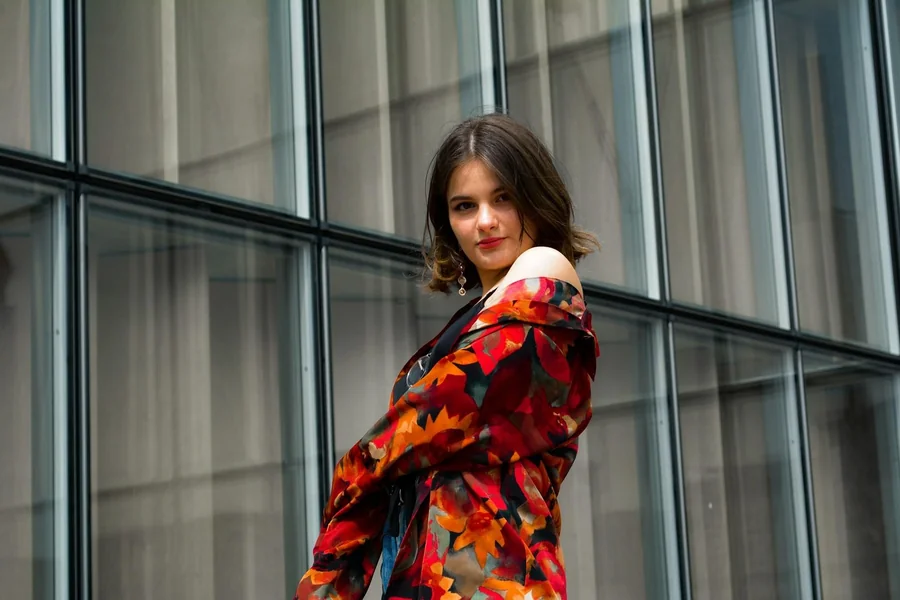
Trend cycles move fast, but personal style evolves slowly. Seasonless dressing supports this slower evolution. Instead of reacting to every new silhouette or colour trend, people refine what already works.
Neutral tones, classic cuts, and adaptable pieces create a foundation. Statement items can still exist, but they are chosen carefully. This balance keeps wardrobes interesting without being disposable. A well-built wardrobe grows, not churns.
Financial Mindfulness
There is also a financial benefit. Buying fewer high-quality pieces often costs less in the long run than repeatedly replacing lower-quality items. Cost-per-wear becomes a useful measure.
When a garment is worn dozens or hundreds of times, its value increases. This mindset shifts fashion from impulse to investment. Financial mindfulness and sustainability often go hand in hand.
Dressing for Real Life
Seasonless dressing aligns with real-life routines. Most people don’t live in perfectly seasonal wardrobes. Weather fluctuates, travel happens, and daily needs vary. Clothing that adapts makes life easier.
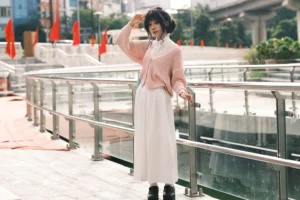
Layering plays a key role. A dress worn alone in summer can pair with knitwear in cooler months. Shorts can work with tights or boots. Sweaters can layer over breathable basics. Adaptability supports both comfort and creativity.
A Cultural Shift
There is a change in culture towards slow consumption. This trend comes in the form of minimalism, capsule wardrobes, and conscious purchasing. Citizens desire closets that are not cluttered and chaotic.
Seasonless dressing suits well here. It minimizes the fatigue of decision-making and promotes deliberate decision-making. Everything will cooperate and it gets easier to get dressed. This ease may be liberating.
There are no real rules of seasonless dressing. It’s about awareness. It is a call to wear clothes that can last long, be used well, and be comfortable in the long run. It promotes caring instead of substituting and quality instead of quantity.
This method is ever-increasing as more consumers demand the confirmation of values and wardrobes. It is eco friendly and does not compromise on style.
Ultimately though, the garment that is already in your wardrobe is most likely to be the most sustainable, provided that it is selected to be lasting. Seasonless dressing just contributes to getting more clothes there.