A Slower Way to Travel: Comfort-First Stays for Any Season
Travel stopped feeling restful somewhere along the way. Trips turned into schedules, weather checks, and time pressure, and people often come home more tired than when they left, especially if life already runs fast.
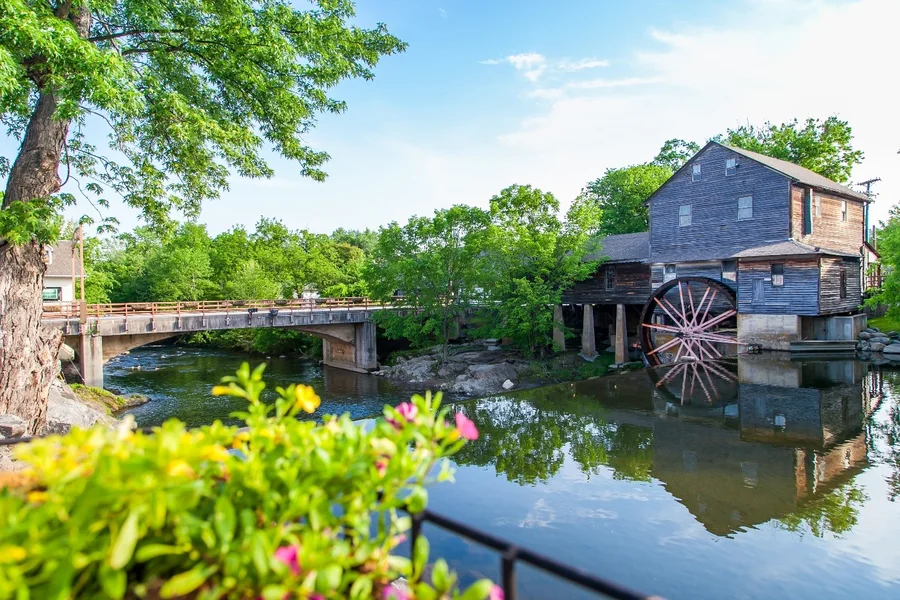
That’s why places like Pigeon Forge have become magnets for slower travel without trying to brand themselves that way. The area naturally supports a pace where doing less doesn’t feel like missing out. There’s scenery that doesn’t require planning, activities that don’t depend on perfect weather, and a general sense that staying put for a while is acceptable. For travelers who want comfort without boredom and flexibility without pressure, it fits easily.
Why Comfort-First Travel Is Gaining Ground
Comfort-first travel isn’t about staying idle. It’s about letting go of the pressure to fill every hour. More travelers are choosing places that allow them to settle instead of constantly move. That shift shows up in how trips are planned and what people value once they arrive. Comfort has moved from a nice extra to the main reason for the stay.
When a place supports rest, weather matters less, and plans stay flexible. There’s no rush to justify the day. That ease matters now, especially when work and personal time blur.
Comfortable Accommodations
Comfortable accommodations take pressure off in small but important ways. When a place is set up to meet everyday needs, there’s less planning required to get through the day. You move at your own pace, make decisions as they come, and adjust without effort. There’s no need to check the weather or line up schedules before stepping into the next part of the day. The space supports you quietly, which makes everything else feel easier to manage.
That’s why cabins in Pigeon Forge with indoor pools are so popular among travelers. Hearthside Cabin Rentals offers options that ensure every minute of your day is spent relaxing. These types of accommodations allow travelers to enjoy movement, relaxation, and downtime without leaving the space or depending on outside factors. It’s not about luxury in the flashy sense. It’s about consistency and ease, which tend to matter more over a longer stay.
Weather-Proofing the Trip Changes Everything
When travel plans rely heavily on outdoor conditions, stress sneaks in early. Forecasts get checked constantly. Backup plans multiply. One bad day can throw off the entire rhythm of the trip. Comfort-first stays soften that impact.
Having reliable indoor amenities means the weather becomes background noise instead of the main event. A rainy day doesn’t cancel anything. A cold stretch doesn’t shrink the experience. This reliability allows travelers to stop planning around uncertainty and start responding to how they actually feel each day.
Over time, this creates a calmer relationship with travel itself. You don’t feel like you’re racing against conditions or time. You’re simply there.
Staying In Without Feeling Stuck
There’s a difference between staying in and feeling confined. Traditional accommodations often blur that line. You’re indoors, but not truly comfortable. You wait for the day to restart somewhere else.
Comfort-forward rentals change that dynamic. The space itself becomes part of the experience. People linger longer over meals. Conversations stretch. Downtime doesn’t feel like wasted time. This matters more than many travelers expect, especially on longer trips.
When staying in feels intentional instead of forced, the pace of the trip naturally slows. That slower rhythm tends to carry into the rest of the stay, even on days when you head out.
How Slow Travel Affects Memory
Trips that stay busy from start to finish have a way of blending together. You remember that you did a lot, but not always what stuck. One stop replaces the next, and the details fade faster than expected. Slower trips leave more room for moments to settle. You remember how the place felt in the morning, who sat where, what the air was like when nothing was happening yet.
Comfort-first stays help with that because they give the trip a steady base. You return to the same space, but use it differently each day. That repetition creates familiarity without boredom. Memories latch onto mood and routine rather than a list of plans. It’s often what people miss most when travel moves too fast.
The Quiet Role of Privacy
Privacy is a big part of why these stays work. Shared spaces outside the group introduce friction, even subtly. Noise, schedules, and social pressure add up. Private accommodations remove that layer.
With fewer external demands, people behave more like themselves. Kids settle faster. Adults stop performing vacation mode. The trip becomes less about being somewhere impressive and more about being comfortable together. That shift is small but lasting.
A Better Fit for Longer Stays
Short stays can gloss over problems because you’re barely settled before it’s time to leave. When a trip stretches out, the small things stop being small. You notice whether there’s room to put things away, whether moving around feels easy, and whether everyone has space to exist without bumping into each other. Those gaps don’t always show up on night one, but they make themselves known by day three.
Places designed with comfort in mind handle longer stays better. They’re set up for daily life, not just overnight use. You unpack, settle in, and stop counting days. The pace changes. Time feels less compressed, and rest doesn’t have to be squeezed in between plans.
Read More: Reise.Reisen: A Travel Portal That Makes Planning Less of a Chore
Slowness as a Practical Choice
Slow travel often gets framed as a mindset, but it’s also a practical decision. Fewer transitions mean less stress. Fewer reservations mean fewer cancellations. Comfort reduces the need for constant planning.
In a time when flexibility is valuable and burnout is common, choosing stays that support a slower pace makes sense. It’s not about doing less forever. It’s about allowing some trips to be gentler, steadier, and easier to live inside.
Comfort-first travel doesn’t demand a change in personality or priorities. It simply creates conditions where slowing down feels natural instead of forced. For many travelers, that’s the difference between a trip they enjoyed and one they actually recovered on.