What to Expect on an Antarctica Expedition Cruise
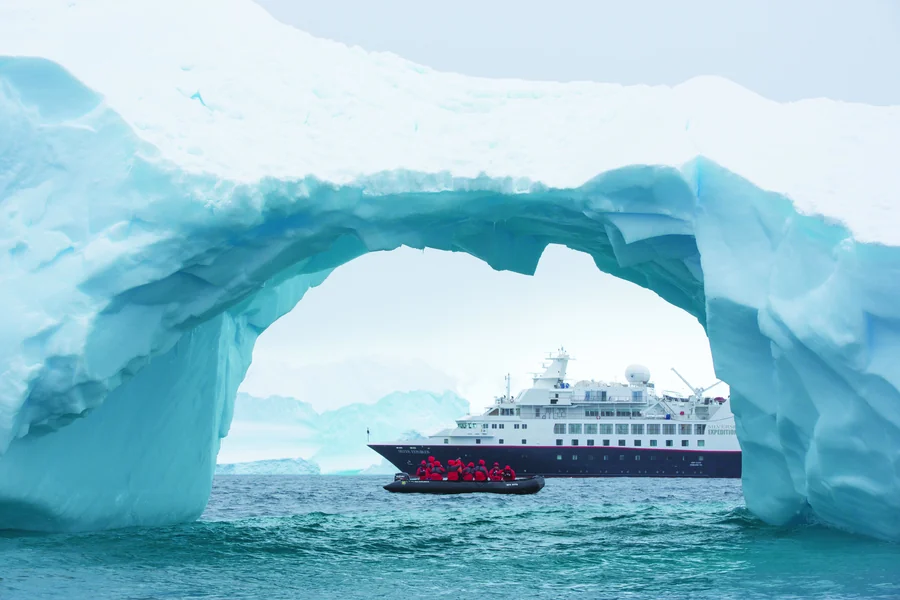
See penguins diving in the glass-clean sea and massive icebergs towering around you on the deck of a vessel. Visiting this remote continental continent is a unique experience on earth and Antarctica is one of the last true frontiers. It is a journey that must be planned and prepared for, but will be rewarding for those willing to take the trip.
An Antarctica expedition cruise combines adventure, wildlife encounters, and breathtaking landscapes into an unforgettable voyage. Understanding what awaits you will help ensure you’re ready for this once-in-a-lifetime adventure.
The Journey to the White Continent
Antarctica is usually reached by a flight to the southernmost city in the world, Ushuaia, Argentina. Most journeys from there lead across the Drake Passage, a treacherous area of ocean between the Atlantic and Pacific oceans. The trip is typically two days each way.
The Drake Passage is known for its stormy weather, but it is highly unpredictable and depends on the nature of the weather. For some travelers there are calm waters known as “the Drake Lake”, and for other travelers, they get the “Drake Shake”, with high swells. Today’s expedition vessels are fitted with stabilizers and physician onboard to aid passengers’ efforts to reduce any seasickness.
Wildlife Encounters You’ll Never Forget
Wildlife is very approachable in Antarctica as animals do not have natural fear of humans. Penguins are the main attraction, and you can see several species, such as the gentoo, chinstrap and Adélie penguins. It’s never dull to observe these engaging birds, waddling on ice, caring for their chicks or racing through water.
Apart from penguins, you are likely to come across seals lounging on ice floes, Weddells, crabeaters and leopard seals. Whales also often visit, with humpback, minke and orca whales well seen in the Antarctic summer months. It’s great seeing these creatures in their natural habitat without being disturbed, so every wildlife sighting is unique.
Daily Activities and Excursions
Adventures await on each day of an expedition cruise. Most cruise lines have Zodiac excursions for the boat, and they launch two times a day, so you can check out the areas that are inaccessible to the main vessel. Small groups are picked up on these inflatable boats to get to the landing sites where one can wander amongst the penguins or visit historic research stations.
The excitement of zodiac cruising is not only in the thrill of navigating between icebergs but also in the close encounters with wildlife. For some expeditions, they’ll even let you kayak, camp on the ice or even jump into the icy water and polar plunge. There are also photography workshops and talks by scientists aboard and presentations of Antarctic history between the excursions.
What to Pack for Extreme Conditions
Packing appropriately is crucial for comfort and safety in Antarctica. The Antarctic summer (November to March) usually ranges from 20-45 degrees Fahrenheit with wind chill. Layering is key and the most critical piece of gear is a waterproof outer shell.
Expedition companies offer insulation-filled parkas and wet landing rubber boots. Thermal base layers, fleece mid-layers, waterproof pants, warm gloves and hat that covers your ears will be needed. Always bring quality sunglasses and high-SPF sun cream – the UV levels are greatly increased when reflected off snow and ice.
The Environmental Responsibility
The Antarctic Treaty, which makes the Antarctic a natural reserve dedicated to peace and science, protects Antarctica. There are strict environmental protocols adhered to by all expedition cruises to minimise the impact of humans. This implies reduced numbers of people on landing sites, keeping distance from wildlife, and keeping nothing behind.
To prevent the introduction of foreign species and/or diseases, visitors should carefully clean equipment before landing. These regulations might seem strict, but they’re essential for preserving Antarctica’s pristine environment. You’re a part of responsible tourism, which brings meaning to your trip, knowing you’re helping to preserve this wilderness for future generations.
Making the Most of Your Experience
Presence and attention are required in Antarctica. Turn off your phone, put down your camera and just watch. Photographs can help capture memories of the ice, of penguin colonies, of a cracking calving glacier, but nothing beats seeing them first-hand and experiencing the silence.
Get to know other travelers and expedition crew who share your adventurous spirit. The scientists on these vessels have a wealth of knowledge on Antarctic wildlife, geology and history. They will add layers to everything that you see.
On your Antarctic adventure, you’ll test your notions of what nature can do. Every moment in this frozen land is extraordinary, from the moment you first see your first iceberg until you are at the very last moment leaving this frozen place. There is nothing more that can be said about this adventure, it has left its indelible mark, and you will have stories to tell for many years to come.