Designing Workflows That Minimize Disruptions in Busy Offices

Doesn’t it feel so seamless to just walk into the office and have the coffee hitting just right, everything right where it belongs, and your team actually in sync? Ideas start flying left-right and center; you’re checking things off your list, and suddenly it’s 4:00 PM already without you realizing it. But then there’s also the “other” kind of day, totally opposite, the ones where a single “quick question” from your co-worker or a jammed printer feels like it’s personally sabotaged your entire afternoon.
Most of us are stuck somewhere in the middle of this chaotic routine. We’ve got the momentum, but it’s constantly being chipped away by those tiny, annoying micro-distractions that add up. This is exactly where a smart workflow kicks in as a bit of a quiet superpower. It’s something that helps you build a system that actually expects the chaos.
When you anticipate the interruptions instead of just getting mad at them, work stops feeling like a forced march. It changes the whole vibe of the office. You’re giving people back a sense of control, which is huge. Even when the peak-hour madness starts, a predictable pattern keeps the team from spiraling into that 5:00 PM burnout.
How Smart Workflow Design Reduces Daily Friction?
Every disruption in an office creates ripple effects. A quick question can break someone’s concentration for several minutes. A missing file can derail an entire task. Even a cluttered common area can throw people off their rhythm. When teams understand how disruptions accumulate, they start to see how essential it is to design workflows that anticipate friction and eliminate it before it pops up.
A foundational part of this effort is keeping shared environments functional throughout the day. Small but consistent systems help common areas stay usable, whether it is a kitchen, a meeting room, or a desk cluster. This is where tactics such as workplace hygiene planning with cleaning schedules quietly support productivity. When people walk into a tidy shared space, they don’t waste time searching for supplies, reorganizing clutter, or fixing things that should already be ready for use. Cleanliness becomes an invisible form of workflow support.
The beauty of strong workflows is that they reduce the cognitive load on employees. People don’t have to constantly figure out what happens next. They already know where things go, how tasks are handled, and which tools or processes to rely on. When systems guide the day instead of improvisation, disruptions naturally shrink.
Designing Predictable Routines That Support Focus
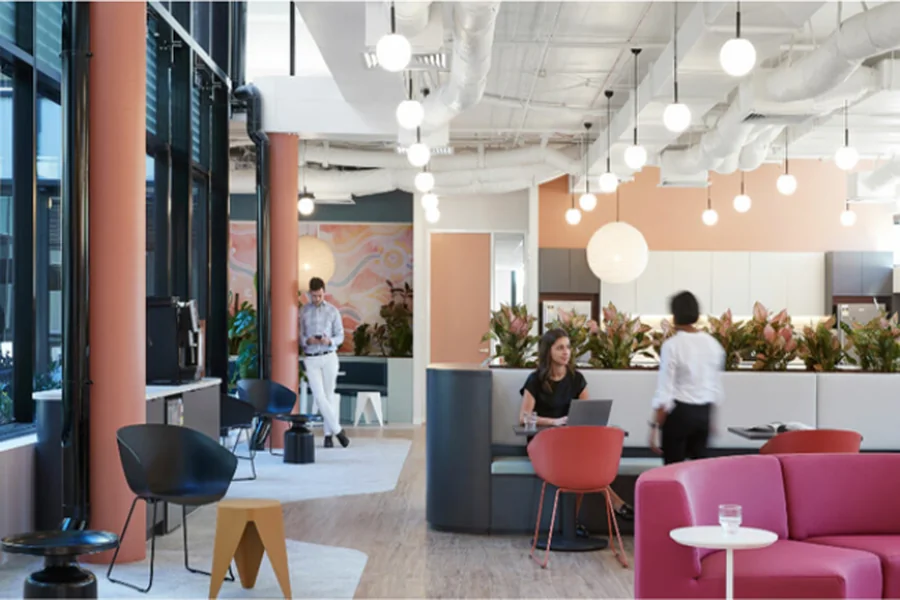
Predictable routines are basically the ”silent engine” of a high-functioning office. When people actually know how their day is going to unfold, that mental load disappears. The real goal here? Building a rhythm that stops the constant, soul-sucking context switching that kills productivity.
You can immediately fix your office flow with a few dead-simple habits. Try setting “core hours” for deep work, times when casual chats and those “quick questions” are officially off-limits. It creates a protected window where people can actually get things done. Once a team trusts that this time is sacred every single day, you’ll see productivity spike without anyone having to work “harder.”
A huge part of this is using shared calendars. Seriously, if everyone can just see where a project is at and when it’s due without having to ask, you instantly kill those annoying “Hey, what’s the status?” messages on Slack or Teams. It’s all about being open cause when the plan is right there for everyone, you skip the endless back-and-forth and keep the whole team in sync.
Resist the urge to jump on every single notification the second it pings. We get it. It feels like you’re being “responsive,” but it’s actually just a massive focus-killer. A better move? Set specific windows to check your messages and stick to them. If you treat your inbox as a task you choose to do rather than a surprise that happens to you, the rest of your day gets a lot quieter.
Creating Workspaces That Encourage Intentional Work
It’s funny how much we underestimate the four walls around us. Most people think “office design” is just about aesthetics, but it’s actually the biggest factor in whether you’re actually doing work or just sitting there. The best workspaces find that weird, perfect middle ground, somewhere between the dead silence of a library and the buzzy energy of a local coffee shop.
When you really need to put your head down and grind, you should be able to “disappear” into a quiet corner without it feeling like a social statement. On the contrary, when the team needs to get loud and messy with ideas, there’s got to be a spot where that energy doesn’t drive everyone else crazy.
It’s usually the tiny, annoying things that drain your battery by lunchtime. Try to recall if you have ever lost ten minutes just hunting for a stapler or untangling a mess of chargers? Those aren’t just minor inconveniences but “hidden friction.” When you actually organize the storage or get the lighting right, you make the place look “pretty.” You’re literally giving yourself more energy to spend on the stuff that actually matters. It’s about making the workday feel effortless rather than an uphill battle against your own desk.
We also have to talk about noise management. Honestly, even the best teams can get loud enough to be a distraction. But you don’t need a total “silence” policy to fix it. Things like soft partitions, a few well-placed plants, or even acoustic panels can go a long way. And having a few phone booths for private calls is really a game-changer. It creates a balanced environment where people can collaborate without accidentally overwhelming everyone else in the room.
Why Shared Spaces Deserve Their Own Workflow System?
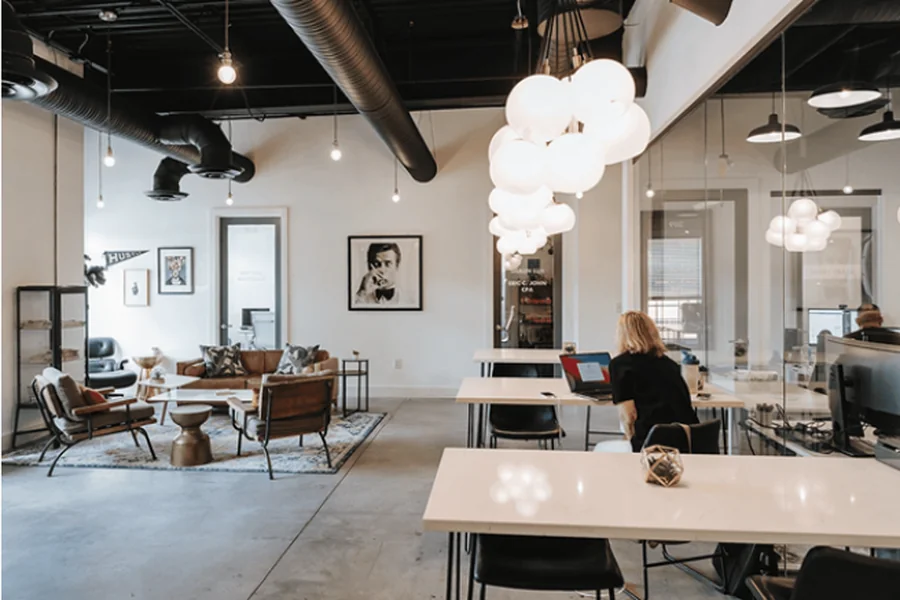
The shared areas are really the heart of any office, but they’re also the first places to fall apart. People are constantly drifting in and out, leaving little “traces” behind, and before you know it, the common room looks like a disaster zone. When these spots don’t have a plan, the whole office feels the friction. But when they’re actually managed? It changes the entire vibe of the workday.
Treating the Kitchen Like a Workflow
The secret isn’t just “cleaning up,” it’s treating these areas like a living part of your workflow. Take the kitchen, for example. Instead of just hoping people stay neat, you can set up tiny systems like designated drop-off spots for dishes, quick “30-second resets” after a snack break, or clearly labeled bins which incentivize and make it easier for people to stay neat. It’s about keeping things functional without making it feel like a chore for any one person.
No-Stress Meeting Rooms
Meeting rooms need that same level of structure, too. There’s nothing worse than walking into a room for a big pitch only to spend ten minutes hunting for a working HDMI cable or a dry-erase marker that actually works. Predictable habits like a quick room reset at the end of every booking, mean the next team can start their meeting on time. It sounds small, but it’s a massive win for office momentum.
The Daily Reset for Hot Desks
The same logic applies to shared workstations. A simple daily reset checklist or some basic “clean desk” guidelines make the whole space feel intentional rather than chaotic. These routines aren’t exactly glamorous, sure, but they’re the reason an office stays functional and efficient instead of slowly sliding into a mess.
Automating Where It Makes Sense

One of the fastest ways to kill disruptions is to just stop doing the tasks that don’t actually need a human brain. We’ve all been in that position where half our day is eaten up by “administrative papercuts”, those tiny, repetitive chores that run in the background of every project. This is where automation isn’t just a luxury; it’s a necessity for staying sane.
Giving Your Brain a Break
Think about the “nagging” that happens in a typical office. Instead of a manager constantly nudging people about deadlines, you can let automated reminders handle the heavy lifting. Or take calendar integrations, they can prep a team for a meeting before the clock even strikes, so you aren’t walking in cold. When task management tools handle the “who’s doing what,” you stop the endless “quick check-in” pings that break everyone’s focus.
Read more: Proven Business Ideas That Work in 2026
Automation Behind the Scenes
It’s not just about software, either. Even the physical office can run itself if you set it up right. Imagine never having to realize you’re out of coffee because a smart sensor already flagged the low inventory. Or not having to fiddle with the thermostat because the climate control actually reacts to the room’s usage.
When you automate these micro-tasks, you aren’t just being “efficient.” You’re literally buying back mental bandwidth. It clears out the clutter of the workday and lets people focus on the work they were hired to do, rather than being interrupted by a thousand tiny to-do items.
Communication Systems That Reduce Interruptions Instead of Creating Them
Good communication is not just about talking more. It is about talking smarter. Offices that rely on constant chatter often find themselves losing time to misunderstandings and repeated clarifications. Clear communication structures prevent this.
Choosing the right channel also matters. Not every question needs a meeting. Not every idea needs a long thread of messages. When teams choose communication channels intentionally, conversations stay crisp and useful.
Conclusion
At the end of the day, cutting out the noise in a busy office isn’t just about “productivity” but about respecting the value of flow. When a team actually commits to better habits and a cleaner workspace, the work starts to feel, well, lighter.
These systems aren’t meant to be some rigid set of “rules” that nobody follows. They’re there to give you the actual breathing room to think, create, and, honestly, just do your job without the constant headache of being interrupted. In a world where “busy” is the default setting, building a calm, structured workflow can transform a stressful office into a place people want to spend their day.