Cross-Border Shopping Made Easy: The Role of Alternative Payment Methods
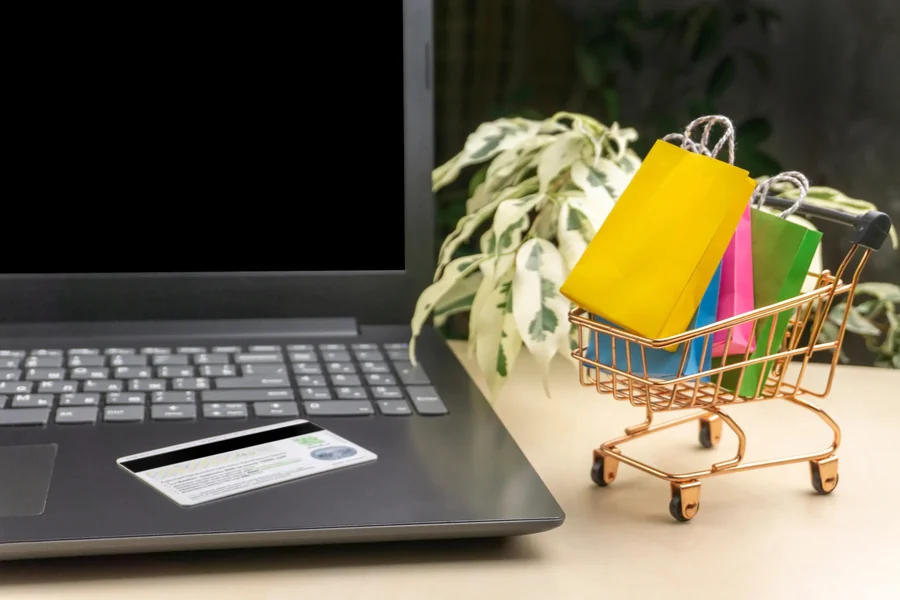
A woman in Paris orders handmade silver jewelry from Mexico. A college student in Seoul buys a hoodie from California. And, a small business owner in Nairobi subscribes to software hosted in Berlin.
None of them think about payment rails. They just tap. Confirm. Done. Global shopping feels simple. It isn’t.
Behind that smooth checkout button sits a maze: currency exchanges, correspondent banks, compliance checks, fraud filters, settlement timelines. Traditional banking systems were built for a slower world where international movement of money took days and required paperwork.
E-commerce didn’t wait for that system to evolve. So something else did. Alternative payment methods didn’t emerge because they were trendy. They emerged because global commerce outgrew legacy infrastructure.
Key Benefits of Alternative Payment Methods and Systems
The following are the key benefits of having alternative payment methods in this fast-paced marketplace of 2026 for cross-border shopping.
1. Digital Currencies: Removing the Middle Layers
For decades, cross-border transfers required intermediaries stacked on intermediaries. Each layer added cost, time, and opacity.
Blockchain-based payments changed the architecture. Instead of routing value through multiple banking relationships, digital assets can move directly between wallets. Settlement can happen in minutes, even sometimes in seconds.
Before someone pays with crypto, yes, they typically use a cryptocurrency exchange to convert fiat into digital assets. But once inside that ecosystem, movement becomes friction-light.
What does that mean in practice?
- Fewer hidden correspondent banking fees
- No waiting for “bank processing hours” across time zones
- Access for users without traditional banking
That last point matters more than most headlines suggest.
In many regions, people have smartphones but not bank accounts. Traditional global commerce excluded them. Digital assets didn’t ask for a credit history, instead just connectivity.
Regulation is still evolving. Volatility still exists. But digital currencies already carved out space in cross-border trade, especially where banking infrastructure is weak.
2. Digital Wallets: Convenience Wins Markets
Crypto gets attention. Digital wallets get adoption.
Apple Pay. Google Pay. Regional wallets across Asia and Latin America. These tools quietly changed checkout psychology.
Instead of typing sixteen digits, expiration dates, CVV codes, shoppers authenticate with a fingerprint or face scan.
That reduction in friction increases conversion rates dramatically. It’s not just convenience. It’s perceived security.
Tokenization replaces card numbers with encrypted identifiers. Even if intercepted, that token is useless outside that transaction chain.
And then there’s currency visibility.
Many wallets now show local currency equivalents at checkout. No surprise FX adjustments later. No vague “international processing fee” on next month’s statement.
Clarity builds trust. Trust increases completion rates. The result? Shoppers feel local even when buying globally.
3. Buy Now, Pay Later: Psychological Access to Global Goods
Cross-border items often cost more. Shipping. Duties. Currency spreads.
Buy Now, Pay Later (BNPL) platforms quietly solved a psychological barrier: upfront cost shock.
Instead of one large payment, customers see four smaller installments. For international purchases, that matters.
Merchants receive payment immediately (from the BNPL provider). Credit risk shifts away from them.
Consumers get flexibility without navigating international credit approval systems.
It’s not just about affordability but about perceived attainability.
4. Reduce the Currency Problem (That Used to Frustrate Everyone)
Currency conversion has always been the invisible tax of cross-border shopping.
Exchange rates fluctuate constantly. Banks add margins. Fees hide in footnotes.
Alternative fintech platforms started exposing that.
- Some lock rates at checkout.
- Some show live comparisons.
- And, some offer multi-currency wallets to hold balances strategically.
When customers know the exact amount they will pay in their own currency, and abandonment drops.
Predictability converts better than surprise. In global commerce, transparency isn’t a luxury. It’s leverage.
5. Security Isn’t Optional: It’s the Product
More digital activity equals more fraud attempts. Especially across borders, where regulatory standards vary.
Modern payment platforms are investing heavily in:
- AI-based fraud detection
- Real-time behavior analysis
- Device fingerprinting
- Encrypted tokenization
Blockchain systems add another dimension: immutability. Transactions recorded on decentralized ledgers can’t be altered retroactively.
That doesn’t eliminate risk. But it changes the attack surface.
Security has moved from backend technical detail to core brand value. If shoppers don’t feel safe, they don’t buy.
6. Financial Inclusion: The Quiet Revolution
This may be the most important shift and the least discussed.
Millions of people globally are underbanked. Yet they have internet access.
Alternative payment methods lower entry barriers:
- No legacy banking relationship required
- Faster onboarding
- Cross-border capability from day one
That enables a:
- Small artisan to sell internationally.
- Feelancer to receive global payments.
- Consumer to access products previously unavailable locally.
Global commerce becomes participation-based instead of bank-approval-based. That’s structural change.
Final Thoughts: What Happens Next?
Payment infrastructure rarely makes headlines. But it shapes global retail more than storefront design or social media ads ever could.
Eventually, consumers won’t notice which rails they’re using. They’ll just buy. And that’s the point.
Cross-border shopping feels effortless today not because geography disappeared but because payment technology absorbed the complexity.
The real transformation in global commerce isn’t what we’re buying. It’s how value moves.
And that layer is evolving faster than most businesses realize.