4 Benefits Of ChatGPT Health Advice In Modern Healthcare
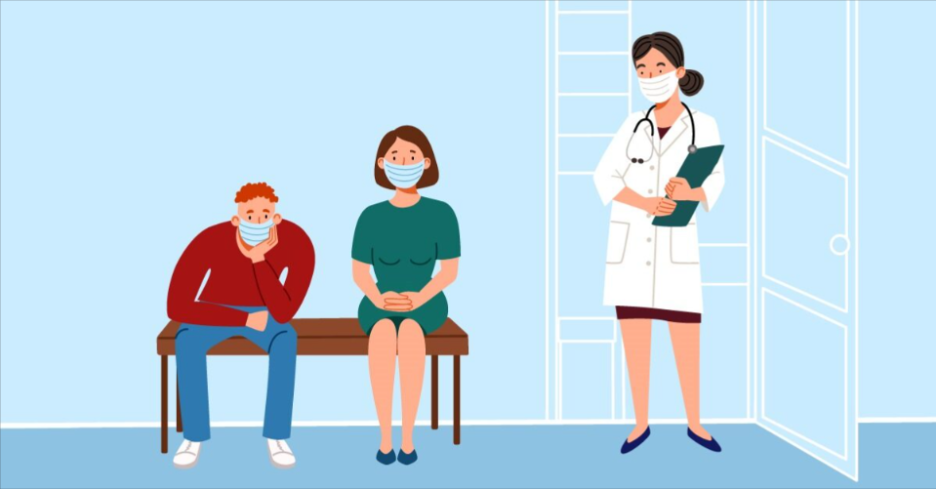
You might usually search about your health problems on the internet before you visit a doctor. The information you find about medicine online can be really confusing. For example, one website might say that a certain kind of pain is very serious, but another website might say that it is not that bad. It can actually make you more scared instead of helping you.
However, modern artificial intelligence tools like ChatGPT are transforming the way individuals access health information. Such artificial intelligence tools can clarify medical jargon, better explain symptoms, and assist you in your preparation for medical appointments. Furthermore, they also help you save time by avoiding being misled or bogged down by incorrect or conflicting information.
Do you want to explore further the benefits of ChatGPT health advice? Keep reading.
1. Offers Early Symptom Clarity
The first thing you do is to look online for information about a new symptom. There is a lot of health information on the Internet, but it is dispersed among many sites. This can give rise to confusion and uncertainty for individual persons. Thus, even a visit to a doctor can raise anxiety levels.
The initial search processes become much more comprehensible through the use of the ChatGPT health advice tools. These tools can help summarize the symptoms in simpler terms and organized manners. This way, you can save a lot of time going through numerous complex articles.
Artificial intelligence helps you determine if the symptoms experienced are mild, chronic, or severe enough to seek medical assistance. This form of guidance ensures that there is a clearer perception of symptoms without overreacting.
Studies indicates that in education, conversational online tools can assist with improved patient understanding. But in high-risk situations, medical supervision is still necessary. Doctors and other health workers are still the best authorities for diagnosis and treatment. While Artificial intelligence can aid in understanding, it must not supplant the medical judgment.
2. Better Doctor Conversations
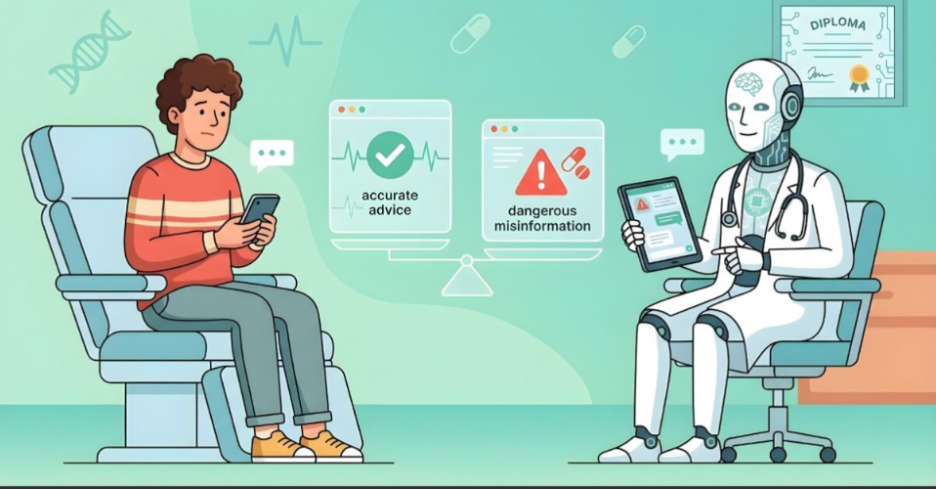
You might feel that you left an appointment with the doctor, knowing you wanted to ask more questions. When stressed, anxious, and when circumstances limit how much time you have to spend, you may become uncertain about how to express yourself or how much you want to say.
In such situations, artificial intelligence can aid you in being ready before your appointment. For instance, ChatGPT can help you arrange your symptoms, compile a timeline of health issues, summarize your list of medicines, or come up with questions to ask about your side effects and treatment.
If you come in with questions, your doctor can give you all the directions you need. As a result, this will make you more involved and confident in your health care choices.
With better communication with your health care provider, you can save time and facilitate better shared decision-making. Additionally, with expert medical guidance, artificially driven communication tools can also boost patient involvement and health literacy.
3. Easier Medical Language
Technical terminology may be hard to understand in medical reports, labs, and discharge papers. When you do a web search for these terms, you might be even more confused than before.
In such cases, conversational AI tools can assist you in breaking down and simplifying medical jargon. In addition, medical terms can be explained in everyday language to make them more accessible.
This will give you a clear idea of what your report means before discussing it with your health practitioner. As a result, this means that you might feel more comfortable seeking answers to any questions and speaking with your healthcare provider about the treatment options.
Better awareness of medical information may eliminate needless fear due to unfamiliar terminology. Furthermore, a clear understanding of instructions increases the likelihood that the treatment plan will be adhered to and improves the ability to make informed health care decisions.
4. Improved Patient Health Awareness
Being engaged on a daily basis with your health journey makes it more effective. However, compliance with healthy lifestyles, appointment keeping, and long-term care can sometimes be difficult, especially for those who have chronic diseases.
In this context, health chat services utilizing artificial intelligence can help you with speedy resolutions to broadly shared health and fitness queries. For example, basic information on nutrition, exercise, lifestyle habits, and when to be concerned is available without having to wait for your next appointment if you have diabetes, high blood pressure, or insomnia.
Meanwhile, it is important to ensure like-minded utilization of artificial intelligence. These systems do not always get it right and may sometimes give faulty or misleading information. Therefore, when an emergency or serious medical condition occurs, professional medical assistance should always be sought.
Ultimately, the use of ChatGPT and other conversational AI systems must complement, not supplant, licensed medical providers. They are most effective when used as educational material to keep you informed and prepared.
Conclusion
ChatGPT medical guidance presents numerous valid advantages to the current healthcare system. As a result, patients become able to interpret symptoms more quickly, generate more questions, simplify the medical terms, and be more informed between appointments. These benefits can enhance security and dialogue when making healthcare choices.
The safest approach is balance. In other words, use artificial intelligence tools to learn, organize information, and strengthen health awareness. Thereafter, verify critical decisions using qualified medical practitioners. Ultimately, this combination will provide both convenience and dependable clinical advice to patients.