Why the Future of Fragrance Is Sustainably Packaged Brands
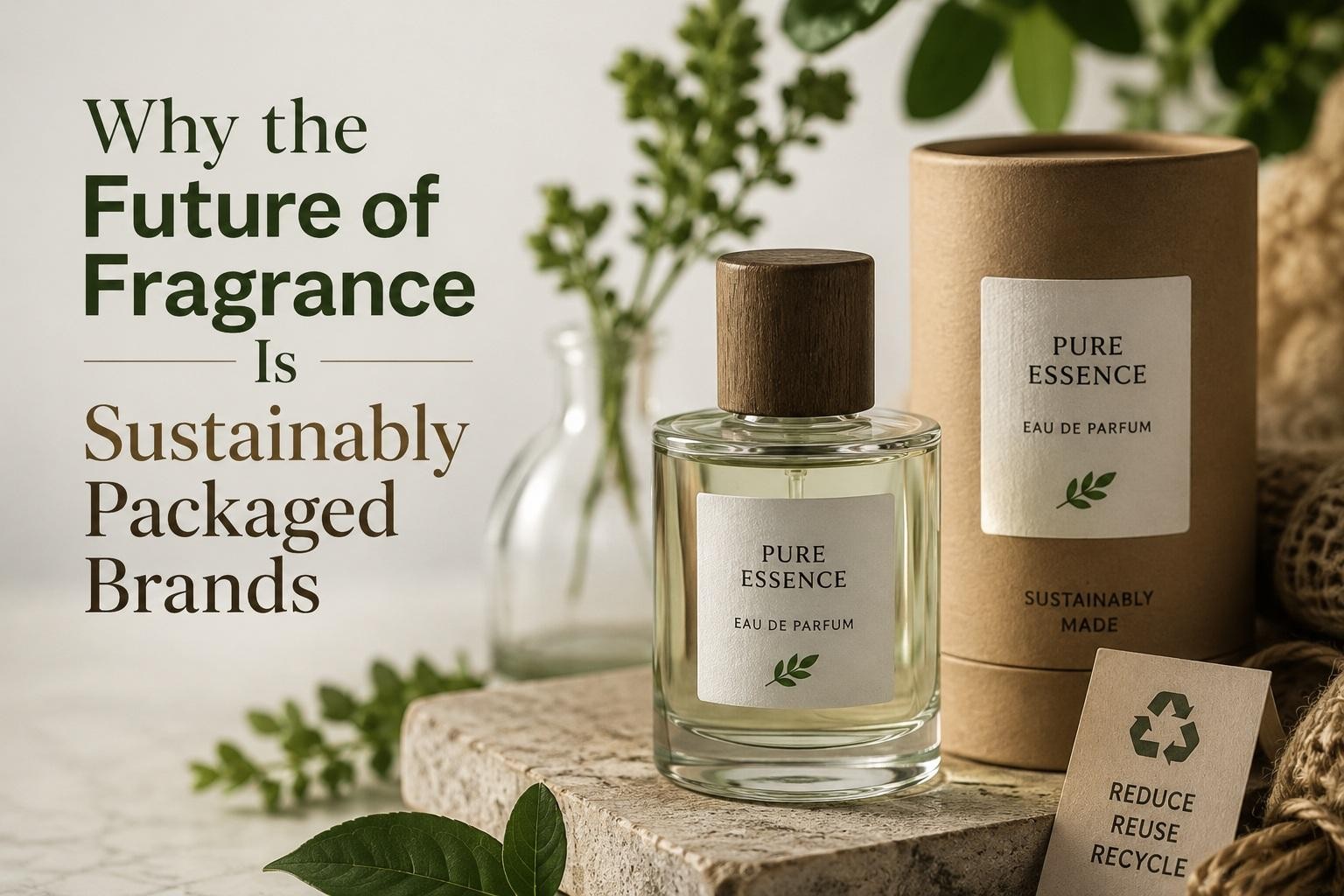
Fragrance packaging has long been a source of luxury and excess. Huge bottles of perfume are beautifully presented in oversized boxes surrounded by tonnes of excess packaging. All of this is disposed of and ends up in landfill or as waste. In recent times however, fragrance packaging is undergoing a revolution. As consumers become more environmentally aware, they are no longer willing to separate their love of smell from their green credentials. Forward-thinking founders of fragrance brands are addressing this shift and working with suppliers to find packaging that is truly sustainable. Custom printed perfume boxes are being designed with beautiful patterns and premium feel, whilst also ensuring the packaging is environmentally friendly.
The Fragrance Industry’s Packaging Problem
But why is sustainable packaging such a priority for fragrance brands? Packaging for fragrances has been a major environmental nuisance for decades and, until recently, it has not been addressed because products were packaged in materials that were wasteful, premium and often purely for show. Fragrance packaging was seen as a marketing tool which conveyed luxury to consumers without any real connection to the environmental impacts.
Luxury fragrances, like many other high-end consumer goods, generate a lot of packaging waste. Typically, a luxury fragrance is shipped in an outer box containing multiple layers of packaging, including tissue paper, foam inserts and other decorative items. The volume of the outer box is usually triple the volume of the actual product itself, which is packed in a glass bottle held within a metal crimped collar, plastic pump mechanism and decorative cap. This bottle itself is a multi-material package that cannot be recycled as it stands. Before the product is even purchased, secondary packaging components such as inserts and boxes travel along with the product through the retail channel and are then sent immediately to the waste stream.
Multiplying this issue across the billions of fragrance products sold worldwide every year, it is clear that the current packaging approach to fragrance has a multitude of adverse environmental effects that responsible consumers no longer see as acceptable. The packaging of fragrance products is an industry problem that is real, prevalent and increasingly overt to the very customers that perfume brands are trying to seduce.
The Consumer Driving the Change
Environmental concerns will fundamentally shape the fragrance consumer of 2025 in ways that the consumer of today may not recognize. The younger fragrance consumer has never known climate change issues to be anything but a way of life and has grown up incorporating these expectations into daily purchasing decisions. Unlike the fragrance consumer of prior generations who separated out these concerns from other types of product purchases, this new generation of consumers will directly apply these values when purchasing fragrances.
The consumer will check the packaging of a product for sustainability before they even read the ingredients. They are looking for packs and packaging which are recyclable and for packs which contain minimal or biodegradable or compostable packaging materials such as pulp or cardboard boxes with plastic inserts. They want to know if a brand has made commitment to reducing packaging and if this commitment has been fulfilled across all of a brand’s products. Our socially active customer will also share positive or negative comments about packaging on social media sites, especially within the perfume and fragrance-focused communities where reviews are highly visible and have potential to impact on sales across a customer base.
This consumer does not accept greenwashing and is able to penetrate through packaging claims that are predominantly promotional and perceive whether sustainability has been incorporated as a material aspect of the packaging, supported by packaging claims and sustainable credentials. Moreover, this consumer is able to distinguish between genuine commitment to sustainability and performative sustainability where environmental language is used but packaging remains environmentally detrimental with only minimal changes.
What Genuinely Sustainable Fragrance Packaging Looks Like
Fragrance sustainable packaging is not a simple swap-out for one component of the packaging mix but a thoughtful evaluation of all the packaging elements to create a sustainable packaging mix. The issues with the current packaging systems for fragrances are significant, and brands must look at all elements holistically to make meaningful progress toward sustainable packaging.
Choosing materials is where the sustainable packaging comes in. Using recycled and recyclable paperboard instead of virgin material for the boxes transforms what would be wasteful packaging into content-rich premium fragrance presentation packages. Furthermore, choosing FSC certified materials means that responsible management of the forests from which these materials originate has been ensured. The packaging and printing materials have also been swapped from petroleum-based inks and solvents to soy-based and water-based alternatives. The package assembly materials have been swapped from synthetic adhesives that contaminate the paper recycling stream to natural alternatives.
Of all the sustainable choices fragrance brands can make, right-sizing a product is likely to have the greatest impact. By removing the vacant space that luxury fragrances typically come in — space that is often regarded as a sign of luxury itself — massive reductions in material usage, as well as in transportation weight and volume through supply chains, can be realized. The box becomes the right size for its contents. The result is packaging that is simply smaller in size, using fewer materials, generating less waste, manufactured using less energy, yet projecting a different kind of luxury — one of sustainability and confidence in stripping away excess.
By using only one material in packaging solutions, brands can truly recycle. Mono-material packaging contrasts with the usual practice of creating multi-material packages that may be technically recyclable but are actually unrecyclable due to the way waste is processed. A mono-material box made of paperboard with water-based inks and natural adhesives can be sent to any local recycling facility where it can be processed back into paper. No separate sorting is required and consumers do not need to look for special recycling facilities.
The Brand Opportunity in Sustainable Packaging
Rather than simply avoiding criticism over environmental packaging, fragrance brands that truly make sustainable packaging a core focus can reap rewards as sustainability credentials become a key competitive advantage driving purchasing decisions among the most engaged and influential fragrance users.
Storytelling around sustainable packaging has huge potential as products make the shift to more recyclable materials, responsibly sourced paperboard and package size optimization. Brands will now have authentic, exciting environmental tales to tell across all touch points. The socially conscious consumer will not respond to expensive materials and white knights; instead they will connect on an emotional level with sustainable brands who behave responsibly and who articulate their good deeds effectively.
Another aspect of sustainable packaging is that it allows fragrance brands to connect with the conscious beauty and sustainable lifestyle markets and gain credibility with these fast growing audiences. These communities of consumers support companies that make environmentally friendly changes and actively reward businesses that make sustainable practices a core value. Sustainable packaging is often the antithesis of what traditional luxury packaging is, but can in fact be more premium.
Sustainability and Luxury Are Not Opposites
The biggest misconception preventing luxury fragrance brands from embracing sustainable packaging is the perception that going eco will mean having to compromise on the luxurious packaging that is such a big part of fragrance’s perceived value. This myth is being steadily debunked by some of the biggest and most forward-thinking players in the industry.
Materials made with sustainable sources can deliver premium packaging when treated with the same design respect afforded to luxury packaging made with conventional materials. The raw, tactile quality of textured recycled paperboard has the same credentials of premium quality and craftsmanship as high-end luxury packaging. Design minimalism on responsibly sourced materials conveys confident and meaningful luxury better than elaborate print and fancy finishes on environmentally damaging substrates. Embossing, debossing and foil stamping using sustainable materials provide the premium visual and tactile experience for luxury fragrances without the environmental cost.
This is emerging most strongly from independent fragrance houses who have built their premium position from their first fragrance using sustainable packaging, rather than attempting to retro-fit sustainability onto existing conventional packaging structures. It is clear that environmental integrity and luxury packaging presentation are not mutually exclusive — indeed the necessity for self-control and intention in order to be sustainable results in packaging that conveys a more advanced, or deeper, sense of luxury than one found through mere material abundance.
The Regulatory Landscape Accelerating the Transition
While consumers remain the primary driver of trends in sustainable packaging in the fragrances market, there is an increasingly positive impact of packaging sustainable trends coming from the regulatory environment. In coming years, this influence will increasingly develop across major fragrance markets.
Extended producer responsibility regulations and other packaging legislations are currently in place across European fragrance markets and are forcing brands to take full responsibility for the environmental impact and cost of end-of-life packaging waste. This will have a clear impact on the packaging choices made by fragrance vendors, as waste generated at end-of-life that is hard to process incurs significant cost.
Key regulatory developments affecting fragrance brands include:
- Plastic packaging taxes introduced in the UK and similar levies in other markets making sustainable packaging more cost competitive with standard packaging once the packaging contains a certain level of recycled content
- Mandatory recyclability labelling on packages increasing consumer awareness of the sustainability of a brand’s packaging
- Extended producer responsibility schemes making brands financially accountable for end-of-life packaging management
- Recycled content requirements being introduced across European markets creating financial incentives for sustainable material adoption
- Retailer sustainability requirements increasingly making recyclable packaging a prerequisite for preferred distribution channel access
Brands currently adopting sustainable packaging find the regulatory aspects relatively straightforward as their packaging solutions were one of the considerations during design, rather than an afterthought. Brands that delay will have to grapple with the cost of complying with environmental regulations, as well as dealing with the damage to brand reputation of being seen as less sustainable than their competitors, in a marketplace where consumer and retailer environmental expectations are monolithically heading in one direction.