What to Expect Before, During, and After Getting Veneers
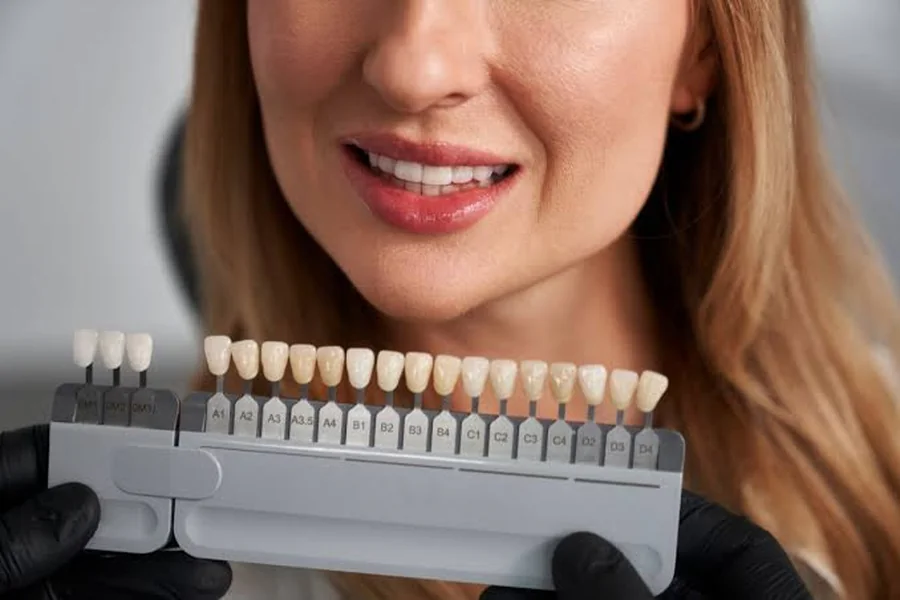
Getting veneers generally involves two to three visits spread over a few weeks: First visit, chasing down a consultation, tooth preparation, and impression making by the dentist are the first steps. After obtaining a detailed impression of your teeth, the veneers are created by the lab based on your specifications and the dentist. Second visit Now, it is time to fit and cement the custom-made veneers on your teeth. Besides, you get quite a short adjustment period before you get used to them.
Typically, the whole process is pretty comfortable and is mostly carried out under local anesthetic. Most people can easily resume their daily activities right after the treatment. Familiarizing yourself with what happens at each stage can greatly alleviate your apprehensions about the treatment. The exact nature of the work done varies quite a bit, based on the kind of veneers you pick. For one thing, composite veneers are molded directly on your teeth, so in many cases, the whole thing can be done in just one session. Then again, porcelain veneers have to be made in a lab, so there is usually a 2-3 weeks wait between the prep and the fitting. What is more, the steps described below represent the porcelain veneer process, since that is the one that can be used to illustrate pretty much all the possibilities, with notes on where the composite two-stage is faster.
What happens at the consultation and preparation stage
The first visit focuses more on planning the changes rather than initiating treatment. The dentist will check your teeth and gums, assess whether they are strong enough to hold veneers, and discuss with you the changes you desire. This is the time to be clear about the shape, color, and overall appearance you want, because veneers are a cosmetic choice and the result should align with your personal expectations rather than a general notion of a perfect smile. Most dentists take photos, X-rays, and digital scans at this point, and some can even give you a virtual glimpse of what the final result will look like.
Healthy teeth and gums are more important than most people realize. If your gums are inflamed, your teeth have decay, or if you are grinding your teeth without protection, these issues need to be dealt with first because veneers glued onto unhealthy teeth will not be durable. Research shows that the success of veneers over time is strongly dependent on the health of the tooth and gum underneath, so this is not the dentist simply being extra careful.
For porcelain veneers, the preparation step calls for trimming away a thin layer of enamel, roughly half a millimetre, to create space for the veneer so it does not protrude. Usually, this is performed under a local anaesthetic so you only sense the pressure and not the pain. After that, the dentist records the shape of the teeth by taking an impression or a scan, which is sent to the lab, and meanwhile, you may be given temporary veneers to wear. A composite veneer at times avoids most of these steps since very little or no enamel is cut away and the resin is directly applied.
What the fitting appointment is actually like
The fitting is the moment when the final product is assembled, and it is usually less scary than people think. For porcelain veneers, the first thing the dentist does is remove the temporary veneers and check the fit, shape, and colour of each porcelain veneer against your teeth before proceeding with the permanent bonding. Testing the veneers at this stage is really important since it’s your opportunity to see if there is anything you don’t like and you can still make changes to the veneers.
After the go-ahead from you, the dentist prepares the tooth surface by first thoroughly cleaning it and then etching it lightly so that the veneer will adhere better, then a special adhesive is applied, and the veneer is set using a curing light that hardens the adhesive in a matter of seconds. Since each veneer is placed one by one, it takes time to do a set of six or eight front teeth, and the appointment is often one to two hours long. After that, any last-minute changes to your bite are made, and the smooth edges are made so that everything feels comfortable and natural after you close your mouth.
In fact, you may notice the difference immediately as the new feeling is quite noticeable at first. It generally takes about a day or two before you stop being conscious of the new surfaces with your tongue. Some individuals experience a slight sensitivity to hot and cold for a brief time after the placement as the teeth adjust, but this usually disappears within the first few days. Please do not hesitate to contact us if your bite seems off or if one of the veneers feels ‘high’ when your mouth is closed. It is not something you have to ‘live with’ as small changes are very easy to do.
How to care for veneers and what to expect long-term
Veneers are not high-maintenance, but they do benefit from good habits. You will brush and floss just like you do with natural teeth because the tooth underneath the veneer can still get leveled and the gum line is still important. Because of this, avoid habits that put veneers under pressure, like biting nails, chewing pens, or using your teeth to open packages, as this will greatly affect the length of their lifespan. If you have a habit of grinding your teeth at night, a custom nightguard is generally the best option because grinding teeth is a common cause of premature veneer failure.
Their longevity is quite a bit influenced by the type of material and personal care. Porcelain veneers typically have a lifespan of 10 to 15 years, whereas composite veneers may last only 4 to 8 years before repair or replacement is necessary. Eating habits also influence the state of veneers, mostly composite ones, which can gradually change color due to coffee, red wine, and tea, while porcelain is much more resistant to staining. Besides that, regular dental visits are beneficial because dentists can spot tiny chips or lifting edges that could become major problems if left untreated.
Cost and quality of the work shape the long-term experience as much as anything you do at home. Choosing an experienced practice for this veneers service genuinely affects how natural the result looks and how well the veneers hold up, because precise preparation and bonding are skilled work and poor fitting leads to staining at the edges and early failure. It is worth asking to see examples of previous cases and understanding exactly what is included before you commit.
How the experience differs depending on your situation
Everyone’s path is different and a few things determine what you should expect. If somebody only has one veneer to repair a chipped or stained tooth, that person’s process is very simple and short. Then again, someone changing a complete smile of eight or ten teeth, where deciding the shade and shape to match the entire set will take more planning and more chair time, should expect a longer process. It is the higher count of teeth that makes the preview and trial stage more significant. Another point is that where you start from is also important. Generally, people who have healthy and well-aligned teeth by default will have the least complicated experience.
But those who require whitening or gum treatment or minor alignment work should anticipate that the overall timeline will be extended possibly even by several weeks or months. Also, age and habits come into play here since people who drink coffee heavily, smoke or grind their teeth will need a very open discussion about how those habits will impact their results and duration of upkeep. Besides, patients who get scared easily should understand that sedation and slow-paced methods are normally offered so there is no reason to exclude the treatment due to fear. Make sure before giving your consent to the procedure, that most of your time goes into discussing the planning rather than the actual procedure, since the appearance you will have for the next 10 years is actually determined more from the consultation than from the time spent at the chair.
Read More: The Beauty Routines Women Are Simplifying This Summer
Be truthful with your habits, have a clear vision of how you want to look and if you are willing to fix your existing dental problems first. The people around who are most pleased with their veneers even after a number of years are nearly always those who considered making early decisions as the critical part rather than rushing to get the work done.