How to Verify Authentic Products Using GS1 QR Codes
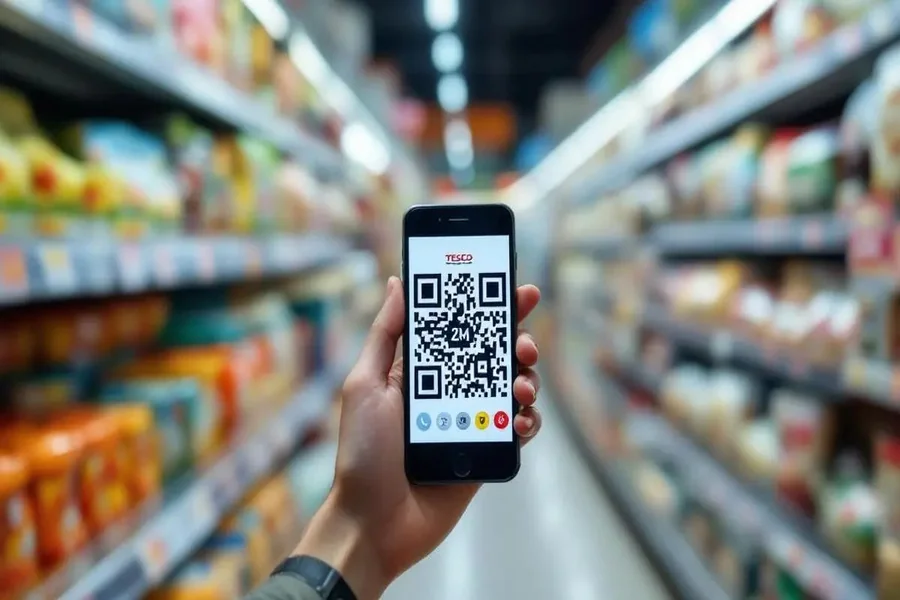
Litigious businesses lose out billions of money annually by counterfeit products, and harm is found far beyond lost sales. When a customer purchases a product based on his or her ignorance, uses it, and has a bad experience, he will run to the brand to complain yet he or she did not actually purchase their brand. In the case of other industries such as pharmaceuticals, cosmetics, electronic, and luxury goods the stakes are higher and in some cases, it may be a matter of actual safety, and not just a case of poor quality.
GS1 QR products have proven to be one of the more successful tools to successfully establish product authentication, providing business and consumers with a means of ensuring that a product is authentic before it is applied into practice. This is how this verification process can actually be done and how to configure it.
Why Traditional Anti-Counterfeiting Measures Fall Short
The holographic stickers or specialized printing methods are many common ways of counterfeiting methods that are traditionally based on the inability to reproduce a particular physical object. The issue is that the more of such techniques spread, the more counterfeiters discover their methods to reproduce them as well, particularly with the increase of the printing and production technology availability to the majority of the world.
GS1 QR codes have a different method. Instead of basing their authentication on how hard it is to copy something physically, they base their authentication on associating every single unit of the product with a provable computer file. Although a counterfeiter could somehow copy the visual appearance of a QR code, the serial number coded in it will not be present in the verified database of a legitimate brand, or will indicate as already in use when a valid unit had its code copied and reused in case of fraudulent use.
How Serial Number Based Verification Works
The authentication via a GS1-QR codes relies on the serialization aspect, i.e. each single unit of a product has its own unique serial number on top of the GTIN that will identify a product type in general. It is this serial number, coded to form a component of the GS1 data structure used in the QR Code, that makes per unit verification possible.
When a brand establishes such form of verification system, the unique serial number is included in a database when manufacturing. By scanning the QR code on a particular item, the system will verify the existence of a serial number in the database, and the presence of a previously scanned or flagged serial number in a scenario where this would attract fraud, e.g. a single physical item appearing in multiple places with the identical serial number.
The code of a legitimate product will work, and a confirmation message with pertinent product information will appear. An invalid product that tries to copy a genuine serial will not verify at all, the only thing the counterfeiter must have done is to guess, a serial number that is not a match and there the counterfeit product will not be verified and it will emit a flag to indicate duplication.
Setting Up a GS1 QR Code Verification System
Step 1: Obtain your GS1 Company Prefix and establish your serialization strategy. This includes making an application to your local GS1 members organization and defining how serial numbers are going to be produced and allocated to specific units in the production process.
Step 2: Choose a generation platform that supports GS1 Digital Link and serialized data structures. The gs1 qr code generator from digital-link-qr-code.com is built specifically to handle this kind of structured GS1 data, ensuring that GTINs, serial numbers, and other relevant identifiers are encoded correctly according to the standard, which is essential for any verification system to function reliably across different scanning environments.
Step 3: Build or integrate a verification database. All the generated serial numbers should be recorded in a system that can be consulted during the scan. This database should not only monitor the presence of a serial number, but preferably monitor scan occurrences to enable pattern duplication or suspicious scanning behaviors of each scan to be recorded.
Step 4: Configure the GS1 Digital Link destination to connect to your verification system. This is where the Digital Link standard can be of the most value in authentication. The code may be configured in such a way, that the scanning of the code prompts a real time verification against your verification database which shows a clearance or warning to the person who scanned the code, be it a consumer, a retailer or a customs official.
Step 5: Apply the codes during manufacturing with the correct unique serial number for each unit. This generally necessitates a type of integration between your labeling equipment used in your production line and your serialization database, so that you do not have the same serial number assigned to various units, by accident.
Step 6: Test the full verification flow before full deployment. Observe some known legitimate code and ensure it works. Testing behavior when trying to scan a duplicated or invalid serial number, should you be in a position, to ensure that your system is correctly marking the cases, and not accidentally marking it as confirmed.
Step 7: Communicate the verification feature to your customers and distribution partners. A verification system can only add value when individuals are aware of using them. Messaging during packaging, training of the retailers and education of the customers on how to confirm their purchase are part of the real world success of the system.
What Verification Looks Like for Different Audiences
The same underlying code can be utilized to support a variety of audiences with varying needs with a well-designed GS1 Digital Link verification system.
The typical experience of consumers who scan a product that they already bought is that they desire a plain, straight forward affirmation that they have bought a genuine product and that the scan would be complimented by some simple product facts or even product care advice.
By enabling retailers to verify at the point of receiving, to make sure that the arriving inventory corresponds to legitimate, registered serial numbers before being put on the shelf, it is possible to stop a counterfeit good before it ever gets to the customer.
The same verification system can be employed by customs and regulatory officials investigating possible presence of counterfeit goods in transit, to quickly determine whether goods that are seized or inspected are authentic, aiding the enforcement against counterfeit trafficking.
Industries Where This Matters Most
Although product authentication in the GS1 QR codes has a wide range of application, there are also industries, upon which counterfeiting is especially acute, which makes this type of verification especially significant.
Not only are pharmaceuticals losing lots of money but counterfeit drugs are a clear danger to their health, and therefore, pharma counterfeiting is not only a prevention in the business arena, but also in people’s health. This is the type of traceability that is being increasingly required by many regulatory systems in this space.
Consumer products with higher value and luxury items are under constant threat of counterfeiting as the counterfeiters can easily get royalties through imitating well-known branding. Verification systems provide genuine buyers with a secure feeling on making major purchases and guard the brand reputation against being associated with the substandard quality of counterfeits.
Electronics and parts, especially in supply chains where authentic parts have safety certifications unavailable to counterfeits, have verification systems that ensure the authenticity of parts before being part of larger systems, where a fake component would pose downstream safety risks of the unnecessary part to a system.
The Broader Trust Benefit
In addition to literally catching fake products, a visible product authentication system sends a valuable message to authentic customers, namely, that a brand cares about the integrity of its supply chain to an extent that it will invest in protecting that integrity. This creates a type of consumer confidence, which goes beyond the particular authentication action, solidifying trust in the quality and dependability of the brand in general.
In markets where counterfeiting has been a common and ongoing issue in the past and where doing business is increasingly turning into a less desirable brand protection strategy, particularly due to the addition of new competitors, who follow the same business category, into the realm of using GS1 QR code based verification thus making it more like a norm than an option that customers are becoming used to have such a type of verification in place.