7 Tips for Effective Concrete Grinding Solutions in Construction Projects
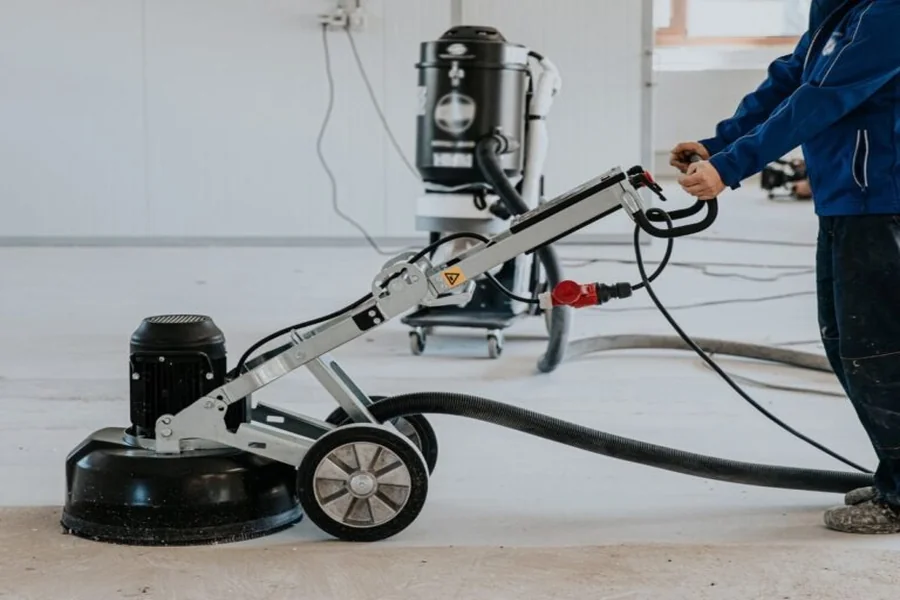
Concrete grinding plays a big role in construction, especially when you want floors that look smooth, feel even, and are ready for finishing touches. With so many tools and methods out there, approaching grinding without a plan can waste time. Sticking to best practices helps you work faster and get the most out of your equipment. Here are seven practical tips for getting concrete grinding right in your projects.
1. Pick the Right Equipment
Using a powerful floor grinder gets the job done quickly and ensures a more consistent finish in larger spaces. Keep in mind that there are time-saving machines and devices that save wear and tear on your body, but give you a much cleaner finish. In addition to that, it’s easy to want just one grinder to grind all of your various things, but the correct tool makes a world of difference in quality and time.
2. Invest in Good, Premium Tools
Good tools also work better, and clean more easily, and last longer than cheap ones. It’s tempting to save money by going cheap on tools, but really spending on good ones saves time and effort in the end. You’ll end up with cleaner finishes and spend less time swapping out worn pads or blades. Top-shelf tools also relieve stress on your grinder, a factor that can help the machine run well for many years.
3. Prepare the Surface Properly
Patch up any areas with uneven spots or small holes as best you can. A clean, level surface ensures that your equipment isn’t damaged and also allows you to achieve a nice, smooth finish. It may seem like an extra step, but it will actually save time in the long run and keep your final result professional. Don’t forget to follow this step, because if not, iit usually results in frustration and extra work.
4. Control Dust and Debris
Concrete grinding creates a lot of dust, which does more than dirty the air; if not properly mitigated, it can also cause health risks. You can keep the area cleaner by using dust extraction systems. It might seem tiresome, but managing dust cuts down on post-project cleanup and guards workers from inhaling it. You can also keep better track of your progress, catching problems before they escalate.
5. Start with Coarse Grit
Always remember to start with the coarse grit pads to sand out larger bumps and imperfections. With the surface level again, step up in gradual stages to finer grits and establish a nice smooth appearance. The technique will help you achieve a pro finish for your project and prevent you from burning it up. Bumper-stickering steps usually take longer, but in the end, it’s less work fixing the mistakes later.
6. Use Proper Technique
Maintain steady pressure along the tool and move it evenly back and forth over the surface. Don’t stay in one place too long, or you’ll create dips. Correct technique can make the job easier, safeguard your equipment and yield a superior outcome. How you handle the grinder can make a difference in terms of reducing the ability to tire and hang on to control so that you can work without added strain for longer.
7. Maintain Equipment Regularly
Maintain a clean grinder; check pads and blades for wear, and replace as necessary. Well-maintained machines work more dependably, have long lives and have consistent performance. Maintenance may feel like extra work, but it’s what prevents breakdowns in the middle of a job, saves you money on pricey repairs and keeps your crew safe. Properly maintained equipment is usable and gives better finishes.
Smooth, Long-Lasting Concrete Grinding Solutions
Concrete grinding is not about smoothing a surface out; this process is more suited to creating safe surfaces. Whether good advice or added, there are a number of concrete grinding solutions to make the work reliable. Concrete grinding sounds difficult and may seem to be a complex task, but with the right attitude, it is something you can manage and can do yourself in order to make your home attractive.