From Confusion to Confidence – How Home Dementia Care Supports Daily Living
Key Highlights
Here are the key takeaways from this guide:
- Dementia care at home offers individualized care within a known environment and this often significantly enhances life quality with an adequate degree of care.
- Easy changes can make a home dementia friendly and contribute to daily living as well as to enhancing safety.
- Regular practices and supportive independence aid in alleviating disorder and instill trust in the dementia affected.
- Home-based dementia palliative care is an organized care that provides practical support with personal care, nutrition, and medications.
- Family caregivers benefit with much-needed rest and tranquility which come through professional home care services.
- It is important to have social ties, and home care is important to make the engagement and activities meaningful.
Introduction
Dementia diagnosis may be daunting to an individual and their families. But there could be a way out through home dementia care where the professional help is provided in natural settings. This will enable the loved ones to live safely and comfortably in their homes as long as possible covering the different levels of dementia.
Understanding Dementia Care at Home
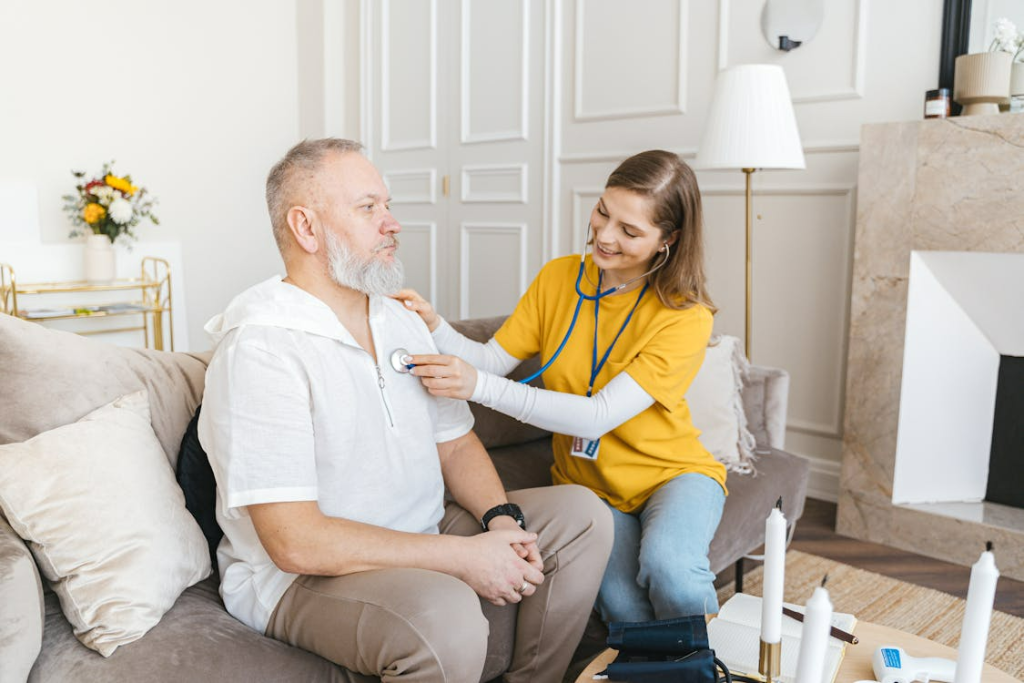
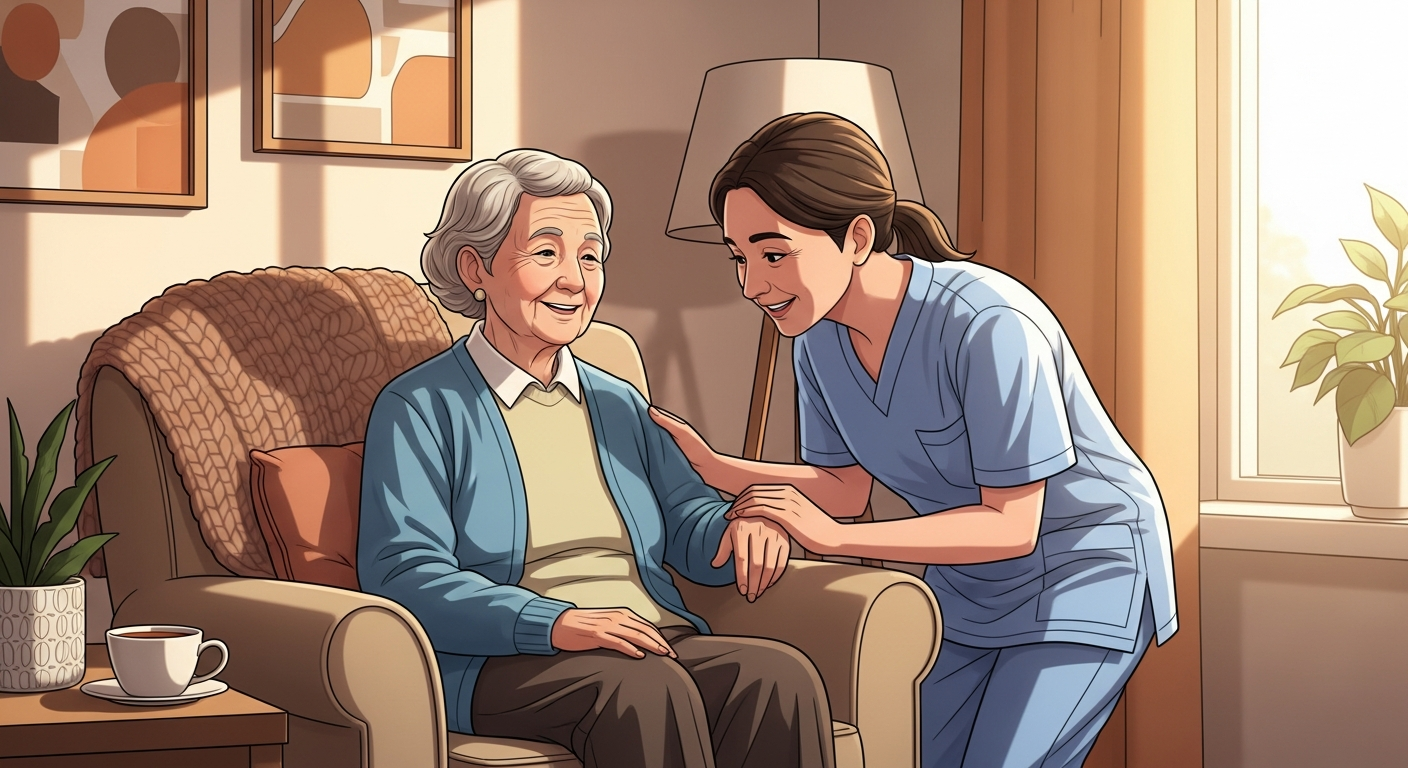
Dementia care at home provides specialized support for individuals with dementia in their own homes. In contrast to residential aged care facilities, this method enables individuals to remain in familiar environments, eliminating stress and anxiety. Care plans are customized and adjusted with changes in needs and are based on the aspect of safety, independence, companionship, and practical assistance. It is aimed at developing a stable and a supportive environment that honors the worth and preferences of each individual. We will then discuss the uniqueness of this kind of care and why it is a good option.
What makes home dementia care unique in Australia
Dementia care within the home is very personal and flexible in Australia. Givers know that dementia will not impact all the individuals the same way hence support services are adopted to the needs and preferences of individuals.
Care plans are drawn up in consultation with the family and where feasible, the dementia sufferer. Organizations such as Dementia Australia have the resources that make sure they achieve best practices and effective support in a compassionate and strength-based, purpose-driven way.
Flexibility is essential. With the advancement of dementia, care plans change accordingly to offer the required level of support, be it companionship and assistance in daily activities or intensive personal care, all in the comfort of the home setting.
Why choose dementia care at home for daily living support
There are main advantages of dementia care which come with selecting dementia when it comes to the home. The biggest benefit is that your loved one will remain in a familiar setting, being surrounded with personal objects and memories. This alleviates anxiety and disorientation, typical of dementia and fosters a feeling of security.
Consistent, one-on-one attention with a caregiver is also a benefit of home care. Possible individualized care-including assistance with some day-to-day activities to companionship- establishes trust and addresses individual requirements.
Home care is a source of tranquility to families. Feeling secure that your loved one is good, comfortable and well taken care of at home is a relieving stressful situation and you get time to be together in a way that it would count.
Creating a Safe and Dementia-Friendly Home Environment
To provide effective at-home aged care, it is crucial to transform a house into a safe and dementia-friendly environment, particularly regarding people with the Alzheimer disease. The goal is to set-up an area that is easy to move about, less hazardous and minimizes confusion. Any minor changes will help to prevent accidents and reduce the possibility of fall.
Independence and confidence are fostered by a home environment that is supportive. You can make the home more predictable and reachable, thus helping your loved one to safely continue with daily routines. The following are important aspects about a dementia friendly home and easy changes that you can make.
Key elements of a dementia-friendly home
A dementia-friendly house is about safety, simplicity and familiarity. The aim is to minimize risks with encouraging calmness and autonomy by making considerate changes.
Make the surrounding to be known- avoid significant modification and keep treasured things. Have sufficient light to reduce shadows that could be confusing. The most important areas to consider in order to be safe and comfortable are:
- Secure Spaces: Lock cupboards with hazardous items; use door alarms if wandering is a risk to promote better care.
- Good Lighting: Keep all spaces well-lit, especially at night.
- Simple Decor: Use contrasting colors to make furniture and objects easier to see.
Assistive technology like automatic night lights or easy-to-use phones can further enhance safety and connection.
Simple home modifications for daily comfort and safety
Other than decluttering, some simple home changes can significantly enhance comfort and safety of individuals with dementia, provided that they have the right help. This does not require expensive or complicated changes, but can help minimize the risk of falls and simplify day-to-day operations. The aim is to facilitate increased access and reduce confusion.
Support the toilet and the shower by putting grab bars in the bathroom. Label cupboards in the kitchen with pictures and words to be able to find something. The differences are tiny and can yield significant results, as they can enable people to be self-reliant longer.
Here are practical room-by-room suggestions to boost safety:
| Area of the Home | Modification Suggestion |
| Bathroom | Use non-slip mats in the tub and on the floor; add a raised toilet seat. |
| Kitchen | Choose appliances with automatic shut-off; store sharp objects safely. |
| Bedroom | Place a commode near the bed; keep the path to the bathroom clear and well-lit. |
| Living Area | Remove low or sharp-edged tables; ensure seating is sturdy. |
Supporting Independence and Confidence in Daily Life
A major advantage of home dementia care is that it helps you to be independent and confident. The home environment provides a sense of identity and individuals have the ability to do more than just take care of the individual.
Our confidence building process entails well-organized but loose routines that provide options and flexibility. The engagement in everyday life is encouraged to preserve the skills and the sense of purpose. Then, we will discuss how to help routines and deconflict.
Encouraging personal routines and autonomy
Strict routines are also important in the effective dementia care in the home setting particularly when one has a regular caregiver. Stable daily routines are predictable, provide security and minimize anxiety and confusion and make your loved one more comfortable and confident.
Instead of performing tasks on their behalf, have them participate in household chores, and personal care. Split assignments into manageable ones- such as provide two clothes options, rather than an entire wardrobe.
This helps them to be independent and to feel that they have achieved something. Methods to promote routines are:
- Keeping regular times for waking up, meals, and bedtime
- Using a simple, visible schedule or calendar
- Involving them in safe tasks like folding laundry or setting the table
- Encouraging favorite hobbies
Strategies to reduce confusion and build confidence
Helping a memory-impaired person consists in being able to deal with confusion and establish a calmed down, reassuring atmosphere. Make the environment and communication easier, to develop trust.
Be plain and simple and use a low tone. Reduce open-ended questions, instead present simple options such as Would you like tea or coffee? to help take the pressure off.
Praise minor achievements and work on the positive aspects to strengthen the good. This aids in guaranteeing aim, self-esteem and emotional health.
Everyday Living Activities Assisted by Dementia Care at Home
Home dementia care will provide adults with the much-needed assistance in setting their daily routine, reducing the burden of both dementia and the caregivers. Professionals also help with activities such as preparing meals, personal care, medications among other health conditions and make sure that their needs are taken care of in a safe and reliable way.
This care fosters well-being and health coupled with enabling families to spend quality time together. It also aids in keeping socially active since it takes some load away.
Practical support with meals, hygiene, and medications
At home the key focus of dementia support is on key practices – food, toileting and medication. A Memory Care Facility has a well-defined plan to address these needs in a dignified and consistent manner. Helpers can go to the grocery store and cook healthy meals, and remind the child to drink water.
Comfort/hygiene assistance to bathe, dress and groom is provided as part of respectful care. Medication reminders help ensure proper and timely administration of medications.
Key support includes:
- Preparing healthy meals
- Gentle reminders for bathing and dressing
- Ensuring medications are taken as prescribed
- Assisting with mobility to prevent falls
Maintaining social connections and meaningful engagement
Social isolation in people with dementia can be minimised by home care, which promotes social interaction and engagement between family members. Pupils are entertained by activities such as games, music, photo albums or walks with their caregivers to stimulate the mind and raise spirits.
They also provide transportation to social groups, appointments or visits with friends or family, helping to perform daily activities. This helps people stay socially engaged, helps them stay in touch with others, promotes emotional health, and can help slow mental decline.
FAQs
Many questions come to mind regarding the advantages of home dementia care and the benefits it can provide for people with a cognitive decline. The customized support plans, designed around each person’s needs and routine, keep children and young people safe and engaged in a familiar environment under the home program. Other questions are about services available, including medication and meals, and how this helps to minimize isolation and maintain daily purpose.
How can I tell if my loved one needs extra support at home?
Be alert for changes in behaviour, difficulty carrying out daily activities, missed medications, and/or worse hygiene. If you’ve been told that your loved one has dementia and has some difficulty as a result, you may want to make a plan with a professional home care service.
What services and resources are available for carers?
A variety of provision is available for carers, such as Respite Care. There are organisations like Dementia Support Australia and the National Dementia Helpline that offer guidance and information to support unique challenges experienced by care takers. Local support groups also provide a link to those who have had the experience of caring for someone at home.
What self-care tips are most helpful for carers providing dementia care at home?
Taking care of yourself is essential. Have simple activities, keep in touch with friends, and participate in support groups. Don’t be afraid to seek additional information or assistance, and don’t hesitate to use respite care to energise. Self-care optimizes the way you can care for your loved one.
Conclusion
Finally, residential care in home help for dementia could significantly enhance the quality of life for those with dementia and their families. It helps to foster independence, daily living and confidence, and offers much needed support. A safe, interactive environment helps to decrease confusion and promote security. If you need information, or assistance, don’t be afraid to ask – it is for the comfort and well-being of your loved one.