How Onomichi’s Temple Walk Blends History and Faith
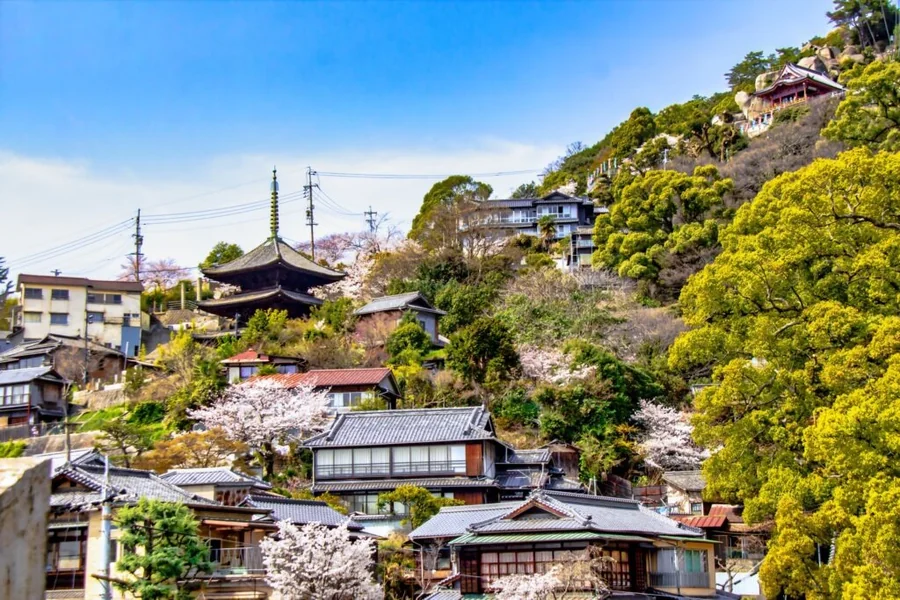
Temple paths in Japan follow the natural contours of a hillside or thread through quiet neighbourhoods, offering more than just a route between shrines. Along these walkways, stone steps lead past weathered gates, shaded courtyards, and the soft outlines of old temple roofs. The experience is rarely hurried. It invites reflection, where faith and history unfold in small, steady moments with each step taken.
Sacred Towns
Places like Onomichi are a prime example of blending faith and history. Its Temple Walk is a loosely connected trail of over two dozen temples that winds through the city’s hills and neighborhoods. It’s not a formal pilgrimage but rather a route that invites reflection as it passes through real moments of daily life. Locals hang laundry near ancient temple gates, cats nap on sunlit steps, and lanterns sway in the breeze above weathered pathways.
Centuries-Old Architecture
Many of the temples along this walk date back several hundred years. Some are larger and well-kept, while others feel hidden, tucked into corners, or perched quietly above the town. The architectural details, wooden beams, carved statues, and moss-covered roofs echo the eras in which they were built.
Walking the route becomes a layered experience. It’s about where the path lingers along the way. Signs of devotion still appear throughout. Offerings sit beside Buddha statues. Incense curls through open doorways. Rather than a grand spectacle, it offers stillness, a chance to slow down.
A Living Cultural Sphere
The Temple Walk does more than preserve religious history. It connects different parts of the city, threading through residential areas, gardens, shops, and staircases. The route rises and falls with the hills, often giving way to panoramic views of the sea and surrounding islands. From certain angles, it’s possible to see temple rooftops rising through a canopy of trees layered against the city below.
Because the temples aren’t isolated from the urban fabric, they remain part of people’s lives. Residents pass by on their way to work or errands. Children play near the stone steps. The walk isn’t something that’s separated from Japan’s modern life; it’s woven into it. This quiet coexistence of sacred and everyday spaces is one of the trail’s most remarkable features.
Thoughtful Encounters at Every Turn
Even without religious intent, this route in Japan offers moments of profound significance. A quiet courtyard invites a pause. A bell tower stands silhouetted against the sky. Small signs explain the background of each temple, offering just enough context without overwhelming the viewer.
Some travelers may find a deeper connection here, while others simply enjoy the walk as a peaceful exploration. Many tourists planning a visit to this area often turn to travel blogs to gain a clearer understanding of the location’s layout, cultural nuances, and historical background. Some firsthand accounts include details that provide additional background and context.
Connecting to Local Offerings
Visitors exploring this walk can also engage with the surrounding area in practical, respectful ways. Nearby shops offer traditional sweets and tea, and local guesthouses provide comfortable accommodations. The trail remains accessible year-round, with seasonal shifts adding their charm: cherry blossoms in spring, red maple leaves in fall, and sea breezes throughout summer. Some can also opt for guided tours. They include information about local culture and historical landmarks presented in traditional settings. Also, they can explore the place smoothly without intruding on the daily lives of the locals!
Through its Temple Walk, this city in Japan continues to offer a rare blend of tradition and daily life. Onomichi shows how faith, history, and culture can quietly shape the places people pass through each day. It is not a destination that demands attention but one that rewards stillness, observation, and respect.
Read Also: Ashley Darby Net Worth