Life Before Smartphones: What We Gained and What We Lost
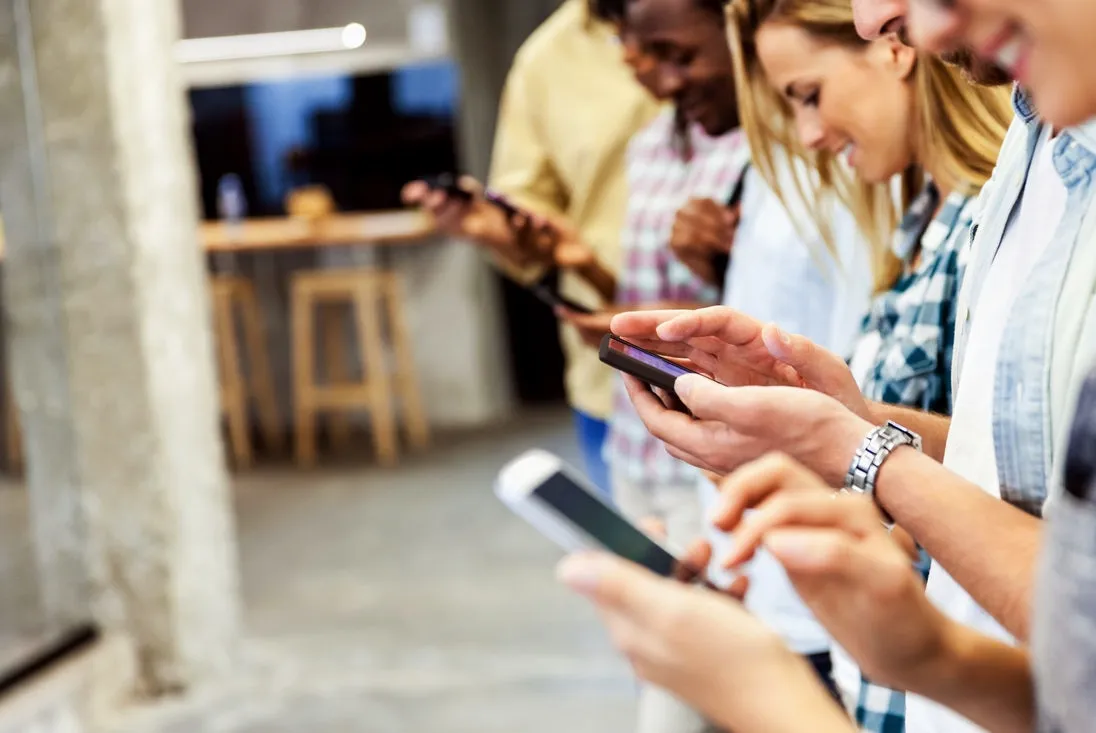
Does it feel like your smartphone has been part of your life forever? Depending on your age, that may not be far from the truth. The first smartphone, the IBM Simon, was released in 1994 and marked a major technological step forward. Quickly adopted, it allowed users to make and receive phone calls, emails, and faxes. It also gave them a variety of productivity tools meant to streamline their life.
Smartphones have come a long way since then, and the public has continued to embrace them. According to recent statistics, about nine in ten people worldwide own smartphones. That figure highlights just how essential smartphones have become to modern life, but it’s worth asking: what has led to such widespread adoption? Let’s examine what we’ve gained and what we’ve lost with smartphones.
Smartphones Have Improved Productivity and Organization
A big push for the adoption of smartphones comes from the productivity and organizational benefits they offer. Think about what your phone can do for you. You’ve got a built-in calendar with a reminder function, a calculator, digital file folders to store documents, a contact list with phone numbers, a list-making tool, and so much more. Now imagine all the physical tools you’d have to carry to achieve the same level of productivity—planners, calculators, notebooks, and more. Even entry-level smartphones today come packed with surprisingly powerful tools.
Smartphones Have Advanced Remote Work Opportunities
Smartphones take the idea of productivity and organization one step further. These phones have made remote work not only possible but also more streamlined, organized, and efficient. You can quickly share digital files with clients and coworkers, hold video conferences, use instant messaging tools, save pictures of invoices, and access content from the cloud. A smartphone lets you work from anywhere in the world—as long as you have Wi-Fi or data.
Smartphones Have Transformed How People Socialize and Communicate
The way people socialize and communicate has gone through drastic changes in the past couple of decades. Baby boomers will tell you about having to walk or bike for miles to get to a friend or relative’s house, or talking on the landline phone. It was a different age when face-to-face socialization was the preferred option. Today, people can easily use their smartphone to text, call, or even video chat with friends anywhere in the world. In a way, it has bridged geographic distances since people are no longer limited by it.
But for all the benefits smartphones have provided in terms of socialization, there are also some negatives. Many choose their smartphone as their primary means of socialization. The problem is that nothing can replace face-to-face contact. Without that physical connection, your socialization skills may significantly decline.
Smartphones Have Become a Social Norm
Social norms are things humans are always aware of. Most of us have a desire to fit in. A smartphone can give them a sense of belonging. If you’re the only one among your friends or co-workers without a smartphone, you’ll stick out. In addition, you might experience FOMO (fear of missing out). Who wants to feel left out of group chats, text chains, and shared content?
Smartphones Provide Instant Entertainment at Your Fingertips
Entertainment is something people continually seek out. While the passage of time hasn’t changed this fact, what has changed is the platform people use to access entertainment. Smartphones provide users with hundreds of thousands of options at their fingertips. These digital entertainment habits are so convenient and effective that they often replace physical alternatives. Platforms such as Netflix, Spotify, YouTube, and Casinos.com are part of this shift―offering quick, mobile-friendly entertainment that’s always available just a few taps away. Users can satisfy the same need for distraction or stimulation that used to be fulfilled by face-to-face conversations, spontaneous plans, radio, and the television.
Another component is the app stores that come preinstalled on smartphones. These provide access to millions of free and paid apps that you can download within seconds. Their catalogues are always being updated, which means you’ve always got something new to enjoy.
Continued Smartphone Use Can Have Negative Physical Health Consequences
But what about the physical toll that smartphones can have on people? People are often guilty of hunching over while scrolling on their mobile devices. This posture can strain your back, shoulders, and neck. Constant screen time can also lead to eyestrain and headaches. Given that people spend an average of 4.5 hours per day on their devices, it’s clear how physical issues can develop.
Smartphones Have Cut Into Essential Downtime
Today, the concept of downtime has shifted toward digital downtime—deliberately taking time off from your digital device for the sake of your mental and physical health. The idea is that you are present in the moment, engage in face-to-face contact, and do something active. It also relates to creating a healthy work-life balance.
Digital downtime is often more difficult to achieve than anticipated. Unfortunately, digital devices have become so addictive that putting them down, silencing notifications, and resisting the urge to check your phone can feel nearly impossible.
Our Habits and Lifestyles Have Permanently Changed
Smartphones have had a profound effect on people’s everyday habits and lifestyle. It’s the kind of monumental change that spans generations and is permanent. Today’s younger generations will never know a life without smartphones. They won’t know that communication with others used to take much more effort and time, that entertainment wasn’t immediately available, and that productivity tools were something reserved for the office workspace.
While it’s clear times have changed, we appear to be on the precipice of another technological shift as AI explodes and becomes more mainstream. And who knows where that will take us.