Modern Exterior Design Styles That Support Outdoor Living
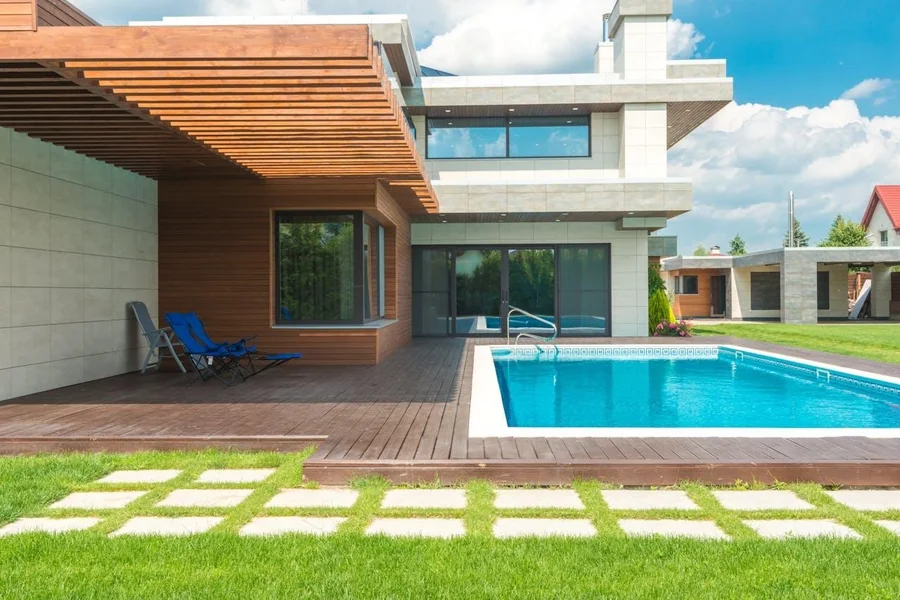
Outdoor space holds real weight in modern home design. Patios carry daily routines. Covered terraces host dinners that stretch into the evening. Open yard space becomes part of how a home feels from the inside out. Exterior walls, rooflines and walkways now shape how people gather, relax, cook and spend quiet time outside. Architectural decisions are tied directly to use, not decoration.
Living in Hillsborough, CA, adds practical context to that idea. Sun exposure, seasonal rain and neighborhood character influence exterior choices in clear ways. Homes here benefit from shaded areas placed with intention, surfaces that handle moisture without fuss and layouts that allow steady movement between indoor rooms and outdoor zones.
In this blog, we will share the exterior design styles, smart structural upgrades and practical ideas that help transform ordinary yards into functional outdoor living spaces built for modern life.
Clean Lines and Contemporary Minimalism
Modern exterior design often begins with simplicity and structure. Clean lines create visual calm and architectural focus. Neutral color palettes dominate many updated homes. Whites, charcoals and muted earth tones define the look.
Large windows strengthen the indoor-outdoor connection. Sliding glass doors open wide to connect kitchens with patios – this transition feels effortless and inviting. Minimalism does not mean empty space. It means intentional placement and purposeful detail.
Flat or low-slope rooflines appear frequently in contemporary builds. Extended overhangs provide shade during warmer months. But before adding structural elements, consult a reliable roofing contractor in Hillsborough to confirm weather resistance and durability. Strong roofing supports outdoor features long term.
Modern materials prioritize longevity and low maintenance. Fiber cement siding resists moisture and pests. Metal accents add contrast without clutter. Concrete walkways create clean, geometric paths.
Covered Patios and Defined Outdoor Rooms
Outdoor rooms now function like interior spaces. A covered patio, for one, creates shade and shelter. Pergolas add architectural interest and partial coverage. These structures allow gatherings regardless of weather changes.
Climate plays a major role in design decisions. Warmer areas require airflow and sun protection and cooler regions benefit from wind barriers and built-in heaters. Adjustable features support year-round usability.
Outdoor kitchens remain highly popular. Built-in grills and prep counters encourage shared cooking. Refrigeration units keep drinks accessible. Families gather around food naturally, so these additions strengthen connection.
Fire pits and fireplaces extend seasonal comfort. Cool evenings feel inviting instead of limiting – so seating arrangements should encourage conversation. Circular layouts often work best.
Furniture selection determines how often spaces are used. Weather-resistant fabrics protect against moisture and fading. Modular seating adapts easily for larger groups. Comfort keeps people outdoors longer.
And not a lot of people realize this but privacy deserves thoughtful planning. Wood slats, tall hedges or decorative panels offer seclusion. Proper placement prevents a closed-in feeling. Balance between openness and privacy enhances relaxation.
Effortless Indoor-Outdoor Flow
We are increasingly seeing the lines blur between the inside and outside in modern homes. Consistent flooring materials extend patios from interior living rooms. Similar color palettes reinforce continuity. This approach expands perceived space instantly.
Retractable glass walls strengthen that connection further. When fully open, they erase barriers visually. Natural light floods interiors generously. Air circulation improves without mechanical systems.
Ceiling fans installed outdoors increase airflow – they also add design character. Integrated lighting ensures usability after sunset. And layered lighting creates ambiance and safety.
Storage solutions maintain order and simplicity. Built-in benches conceal cushions and tools neatly. Outdoor cabinets protect cooking supplies. Organized spaces invite consistent use.
Technology integration enhances comfort dramatically. Weather-resistant speakers provide background music. Outdoor Wi-Fi extends connectivity for remote work or streaming. Digital convenience now belongs outside too.
Small details matter more than expected. Coordinated hardware maintains design cohesion. Planters echo architectural shapes. Even door handles contribute to overall aesthetic harmony.
Sustainable Design That Supports Daily Living
Sustainability now drives many exterior renovations. Energy efficiency shapes roof and siding choices. We can see how solar panels appear more frequently in modern homes – and rising utility costs encourage these investments.
Rainwater collection systems support garden irrigation, permeable paving reduces stormwater runoff and native plants lower maintenance demands significantly – all of these choices protect local ecosystems.
LED lighting improves efficiency and longevity. Smart timers control brightness automatically. Motion sensors enhance security and conservation. Technology supports eco-conscious living seamlessly.
Green roofs and vertical gardens add insulation benefits. They also improve visual appeal. Living walls soften sharp architectural lines. Environmental responsibility and beauty coexist comfortably.
Durable materials reduce replacement frequency. How so? Composite decking resists warping and splintering. Metal roofing – while not ideal for hot weather as it heats up quickly – withstands a wide range of harsh weather conditions like storms. Long-lasting choices lower lifetime costs.
What’s more, sustainable design supports personal wellness too. Access to fresh air improves mood. Natural surroundings reduce stress levels. Outdoor living aligns with broader health trends nationwide.
Multi-Functional Spaces for Modern Lifestyles
Outdoor spaces must serve multiple purposes today. Families entertain, exercise and relax outside regularly. Zoning strategies create distinct areas for each activity. Defined spaces prevent overcrowding.
Spaces for dining need strong overhead lighting and stable surfaces. Lounge areas call for softer textures and reliable shade. Play spaces should remain clearly visible from nearby seating areas. Easy sightlines support supervision and peace of mind. Safety – above everything – should guide every layout decision.
Home fitness has grown significantly since the pandemic. Some homeowners add compact workout zones outdoors. Weather-resistant mats and storage keep equipment organized. Fresh air enhances motivation naturally.
Remote work influences exterior design choices. Shaded work corners support laptop use outdoors. Strong Wi-Fi ensures smooth connectivity. Flexible setups accommodate both productivity and leisure.
Gardening also gained renewed interest recently. Raised beds allow easier maintenance. Edible plants provide practical benefits. Growing herbs and vegetables adds daily satisfaction.
Water features create calming soundscapes. Small fountains mask neighborhood noise gently. Reflection pools add visual interest. These elements elevate ambiance without overwhelming design.
Lighting and Atmosphere as Design Anchors
Lighting transforms outdoor spaces after dark. Layered illumination creates depth and comfort. Path lights improve navigation and safety. Accent lights highlight architectural features subtly.
For those who want something in between, clean and contemporary but still built around the fire, Studio Nisho modern fire pits are worth a look, designed as statement pieces that anchor a space rather than just heat it.
String lights add warmth and charm. Lanterns introduce classic appeal. Dimmable fixtures allow mood adjustments easily. Proper lighting extends usability beyond daylight hours.
Fire elements contribute both warmth and ambiance. Gas fireplaces offer convenience. Wood-burning pits provide rustic character. Flames create natural gathering points.
Color temperature matters significantly: warm light promotes relaxation and cooler tones support task-oriented areas. Thoughtful lighting design enhances overall experience.
Outdoor design now reflects shifting cultural priorities – people now seek balance between productivity and rest. And homes must adapt to flexible routines. Exterior spaces carry new significance.
Modern exterior design supports daily living in powerful ways – it moves beyond appearance into functionality. When design choices reflect real-life needs, outdoor spaces become essential extensions of the home. And not mere decorative afterthoughts.