Refresh Your Space – Smart Ways to Make Your Home More Comfortable
Some home improvements make themselves obvious. A refrigerator hums differently. Paint dries and leaves a faint scent in the hallway. A new fixture reflects light more clearly than the one it replaced. But most changes begin in quieter moments—when something small stops working smoothly, or when a room no longer feels as easy to be in as it once did. The shift is usually felt before it is fully understood.
A towel rack that shifts under weight. A draft that settles near the window each evening. Tiles that hold onto stains no matter the effort. On their own, these things seem harmless. Still, they gather. They shape the mood of ordinary days. Comfort has less to do with size or style than with resistance. The small interruptions that repeat themselves.
Refreshing a space rarely requires tearing everything out. More often, it asks for attention. Noticing what has thinned, what drags, what feels slightly out of step—and tending to it, gradually, without making a fuss.
When the Bathroom Stops Feeling Restful
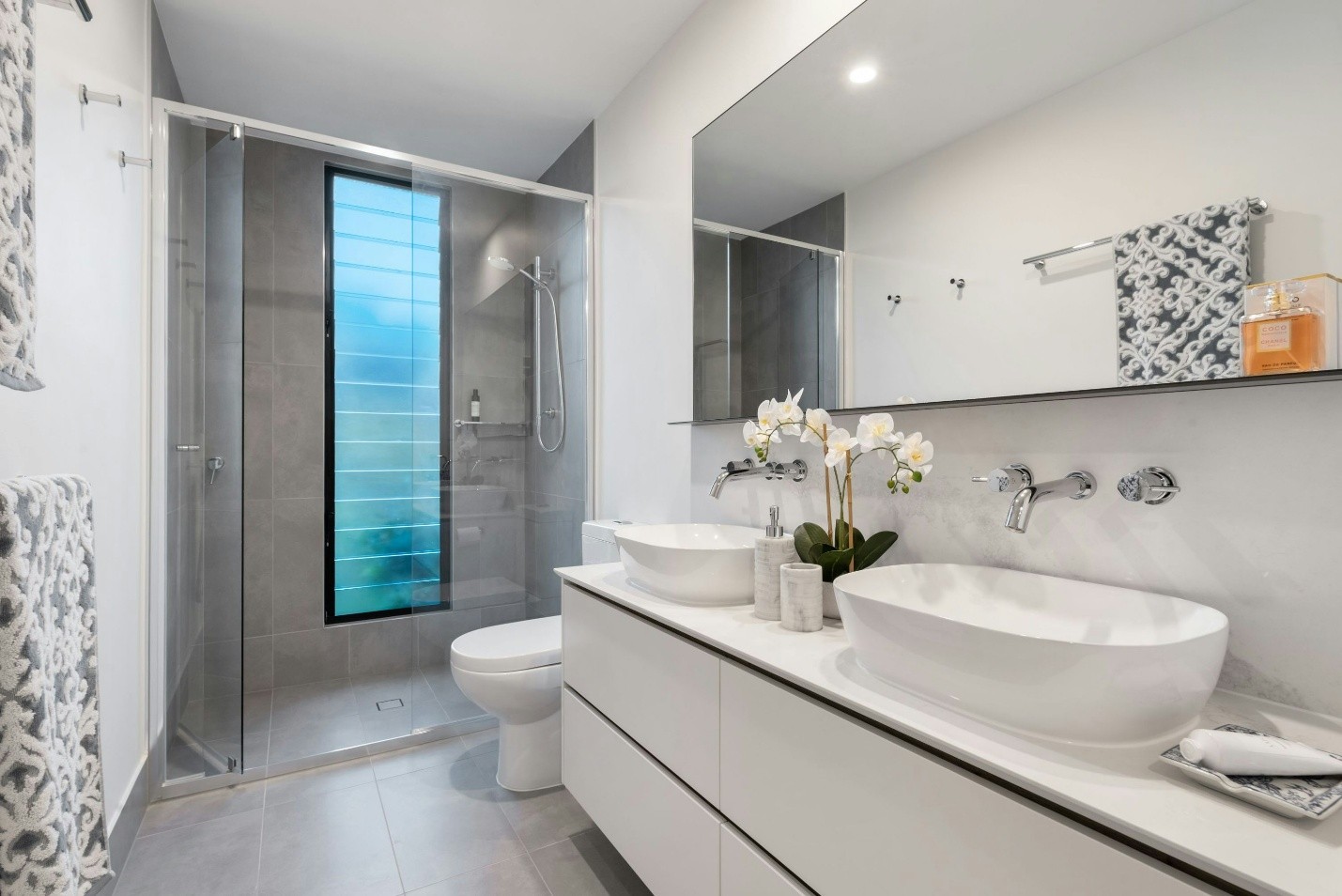
In many houses, the bathroom is one of the first places where wear begins to show. Steam settles into corners. Grout lines darken. The shower that once felt bright and steady starts to feel tired. Water pressure shifts. The door sticks slightly before closing. It is subtle at first. Then it becomes part of the morning.
Homeowners usually consider shower replacement to improve functionality and refresh the bathroom’s overall look.
But the shift reaches beyond appearance. A new shower changes how the day begins. Water flows evenly. Surfaces feel solid underfoot. Light reflects instead of dulling against stained tile. There is relief in stepping into a space that does not resist. No small annoyance waiting in the background. Just warmth. Steam rising cleanly. A pause before the rest of the house wakes.
It is not about indulgence. It is about removing one daily irritation that quietly shapes the mood.
Quiet Adjustments That Warm a Room
Comfort sometimes shows itself in the colder months. Not dramatically. Just in the way a room never quite settles. A thin line of air slips in near the window. The floor is holding onto the night’s chill a little too long. It becomes noticeable in small habits—pulling socks on earlier in the evening, avoiding certain corners of the couch.
Sealing a gap. Replacing worn weather stripping. Letting heavier curtains fall closed before dusk. None of it is particularly impressive. Yet when winter presses against the glass and the air inside stays even, something eases. The house feels less exposed. The wind can move outside without being felt in the ankles and wrists. There is a steadiness to the warmth that wasn’t there before. Hard to measure. Easy to sense.
Light carries a similar weight. One bright ceiling fixture can make a room feel bare, almost impatient. Everything visible at once. Nowhere for the eye to rest. Introducing a lamp beside a chair, or changing a bulb to something softer, shifts the mood without announcement. Corners return. Shadows settle instead of disappearing. Evenings lengthen quietly.
The Weight of Sound and Surface
Hard surfaces reflect more than light. They return every footstep and clatter back into the air. Over time, that constant echo can create a low tension that is difficult to name. A rug is placed beneath the dining table. Upholstered chairs instead of bare wood. Even curtains that frame a window more generously. Sound settles. The house feels calmer, though nothing obvious announces the change. It becomes easier to stay in the room a little longer.
The same is true of surfaces that meet the body every day. Cabinet drawers that glide instead of scrape. Door handles that fit the hand comfortably. A mattress that supports evenly across its width. These are practical upgrades. Simple, no? Yet they adjust dozens of daily interactions. And the body responds quietly, with fewer aches, with less impatience.
Making Space to Breathe
Not every improvement involves installation. Sometimes comfort returns when excess leaves. Stacks of unopened mail. Furniture that blocks natural pathways. Objects are kept out of habit rather than use. Clearing them alters how light travels and how people move from one room to another. The house seems to inhale.
Color can support this feeling. Walls painted years ago may carry a heaviness that no longer suits the space. A softer tone—warm white, muted green, pale clay—changes how sunlight rests on the walls. Morning feels clearer. Evenings feel grounded instead of dim. It is less about fashion and more about how the room behaves across hours and seasons.
A Place to Sit at the Edges of the Day
Entryways are often treated as pass-through spaces. Shoes pile up. Keys disappear into shallow bowls. Coats gather on the nearest chair. It works, in a way. But it rarely feels settled.
Adding something as simple as a narrow bench can change the rhythm of coming and going. A place to sit while removing shoes. A steady surface for setting down a bag. Hooks are placed at the right height so coats hang without slipping to the floor. These are not dramatic changes. They do not draw attention from across the room.
Yet the effect shows up in small pauses. The morning feels less hurried when there is somewhere to sit instead of balancing against the wall. Evenings feel less scattered when belongings have a place to land. The doorway becomes less of a threshold to rush through and more of a gentle transition.
The longer a home is lived in, the easier it becomes to overlook its small failings. Scratches blend into memory. Worn fixtures become familiar. But thoughtful improvements recalibrate the relationship between person and place. A bench near the entry changes how shoes are removed. A ceiling fan adjusted correctly turns a stifling room into a usable one. A sealed window quiets a restless night.
There is no single renovation that creates comfort on its own. And after a while, the difference shows up in subtle ways. Mornings begin without friction. Evenings stretch without hurry. The house feels less like something to manage and more like something that holds daily life steadily in place.
Not perfect, not finished, just quietly supportive, in ways that are felt long before they are noticed.