What to Know Before Buying an Epoxy Resin Table
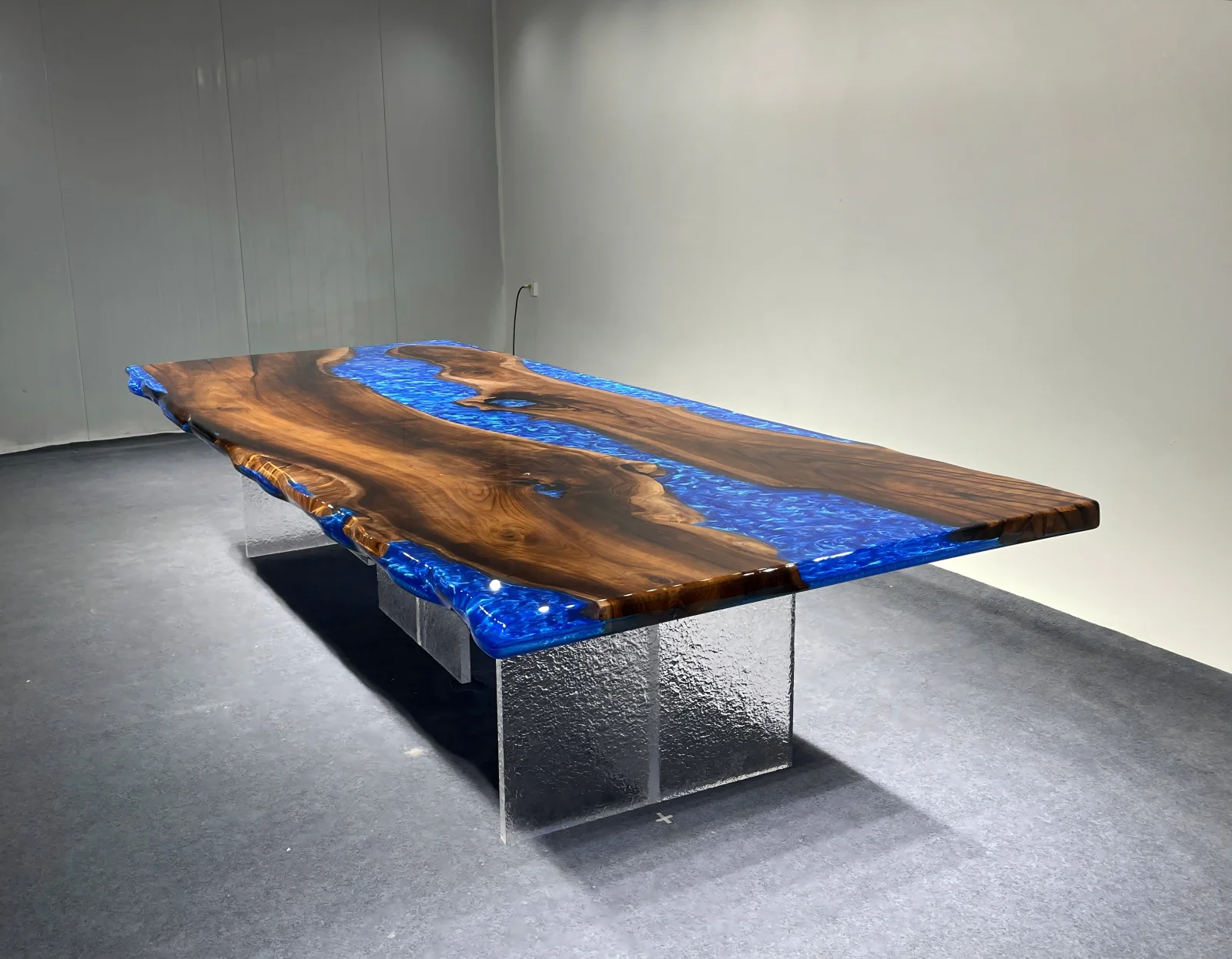
Epoxy resin tables are everywhere right now. Scroll through interior design feeds or modern furniture stores and you will almost certainly see one — often a thick wooden slab with a glossy “river” running through the center. They can look stunning, almost like a piece of sculpture that just happens to function as a table.
But here is the thing many buyers discover only after purchasing: not all epoxy tables are made the same way. Some are carefully crafted from properly dried hardwood and high-grade resin. Others are assembled quickly with cheaper materials that may look impressive in photos but don’t age very well.
Most people begin their search online, looking through design galleries and examples of finished pieces. Sites like https://thunderwood.studio/ show how dramatically the look of an epoxy table can change depending on the wood, resin color, or slab shape. While browsing those images is helpful for inspiration, choosing a good table really comes down to understanding what is behind the design.
Let’s break down the things that actually matter before buying one.
What an Epoxy Table Actually Is
Two ingredients go into making an epoxy resin table: wood and resin that sets into a solid. The wood provides the framework and character and the resin fills in the holes, cracks, or gaps between the boards.
The most popular design is the river table. There are two boards on either side, leaving an empty space in the middle. The resin fills the hole and is made to look like water.
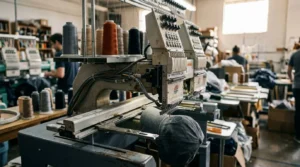
It may seem simple, but the process to achieve it is not. It takes a long time to make one (days or weeks). You have to prepare the wood, make molds, pour the resin in stages and wait until it’s cured before you can sand and finish the furniture.
If the process is rushed, it may cause issues down the track.
The Type of Wood Makes a Big Difference
When shopping for an epoxy table, one of the first questions to ask is an obvious one: what type of wood?
Various species have different characteristics when made into furniture.
Furniture makers love walnut. It is dark brown and has striking grain, which mixes well with clear or tinted resin. It’s also relatively stable, so it won’t warp and distort.
Oak is another popular choice. It is durable, easy to find, and is very coarse in appearance, which works well with large dining room tables.
Maple is a much lighter wood. If you have a lighter look for your home, maple and darker resin can look very contemporary.
There are also olive wood tables, which have lovely veining. However olive wood can be more expensive and difficult to find.
Then you have softwoods such as poplar. They are generally not as strong as hardwoods.
Why Wood Drying Is Often Overlooked
Here is something many buyers never think about: moisture inside the wood.
New wood is quite wet. If the water is still inside a slab when resin is cast onto it, the wood can shrink further as it dries. This can lead to cracks or gaps in the resin.
Slabs are typically dried in a kiln until the wood contains the right amount of moisture for furniture. That drying process can take weeks.
If you ever buy a really cheap epoxy table made with a thick slab, you may want to ask if the wood was dried properly.
Resin Quality Is Not Always the Same
To most people resin just looks like clear plastic, but in reality there are many different types.
Some resins are formulated for deep pours. These cure slowly and allow trapped air bubbles to escape before the material hardens.
Others are meant only for thin coatings and are not designed for thick layers at all.
Better resins usually contain additives that protect them from sunlight. Without those stabilizers, resin can gradually turn yellow over the years.
That change might not be noticeable immediately, but after a few years the difference can become obvious.
Surface Finish and Feel
Once the resin has set and the table has been shaped, it’s time to finish it. Here is where you get your tactile experience of the table.
Some tables are finished with natural oils that emphasise the wood grain. These have a warm, natural appearance but can require care.
Alternately some tables are finished with polyurethane, producing a harder surface that is resistant to scratches and water.
There are also mixed finishes such as hardwax oils.
In any case, the surface should be smooth where the resin meets the wood.
Thickness and Structural Support
The thickness of the tabletop is another consideration. Slabs can be thin but this can cause the table to sag over time, particularly with larger tables.
Most dining room tables are made from slabs five to six centimeters thick. Statement tables can be much thicker.
Many woodworkers also reinforce longer tables with metal bars. These are to stop the wood bowing over time.
Signs That a Table Was Well Made
Images aren’t always sufficient to show quality of workmanship, but here’s a tip.
The first is clear resin. Bubbles and cloudiness in the resin could indicate improper pouring.
The join between resin and wood should be consistent. If the edge is jagged or the surface is not smooth, it may be hurried work.
A stable base also matters. A heavy top can make a weak base unstable.
You can also learn a lot from the bottom of the table. If it’s a good piece, it might be nicely finished too.
Why Prices Vary So Much
If you look at epoxy tables online, you might find a huge variation in prices. You will find some pieces for a few hundred dollars, and others for several thousand.
Size is one reason. It takes more material to make a dining table than a coffee table.
Wood species also affects cost. Slabs of wood with unusual grain patterns can be costly before they reach the shop.
Finally, there is the time involved. Custom tables can take a long time to make – cutting, pouring, sanding, finishing.
Lower prices sometimes mean shortcuts somewhere in the process.
Custom vs Ready-Made Tables
Mass-produced tables are readily available. You get what you see.
Custom tables are different. Customers select the wood slab, colour of the resin, size and occasionally shape of the river. In exchange, you need to wait a couple of weeks for the table to be made.
For some, that’s fine because the final product is exactly what fits their space.
Caring for an Epoxy Table
Maintenance is fairly simple. It can be wiped down with soap and water.
However, it is best to avoid putting hot cookware on the table. Placemats and coasters can also avoid scratching.
Epoxy tables can last for many years if properly cared for.
Final Thoughts
One of the reasons epoxy tables are so popular is because they are one-of-a-kind. Each table is different because of the direction of the wood grain, the flow of the resin, and even imperfections that can occur naturally.
But what they look like shouldn’t be the only deciding factor. Wood species, drying, resin and finishing techniques all impact on how the table will perform over time.
This kind of knowledge will help you find quality workmanship, and avoid getting ripped off by cheap imitations. You can use the contact details page to ask any further questions and learn more about the materials and how it was made.