Why Does Finding a Wedding Dress Feel Exactly Like Buying a Car?

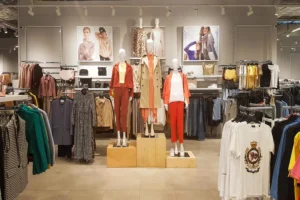
Buying a car is something most people have experienced at least once. There’s the research phase, the spreadsheet printed out and never quite consulted, the ambient pressure of the sales floor, and the paperwork that takes longer to sign than the actual decision. Wedding dress shopping works almost the same way, though far fewer people notice the resemblance. Entering a bridal boutique LOVU LOVU, on a Saturday morning, a bride finds the scene running much like a dealership floor, except the inventory shines beneath warmer lighting, and nobody is offering floor mats. The stylist at the door works with the same measured blend of cordiality and attention, calibrated to the knowledge that the visit is emotional and the budget has already quietly expanded beyond whatever number was originally in mind.
The comparison holds up better than most people expect. Oddly, a wedding gown boutique runs on appointment-based access, just like premium car showrooms. Walk-ins are handled reluctantly, like someone in flip-flops at a Porsche dealership expecting the full afternoon. And “we just want to see what’s out there,” the phrase beloved by car shoppers with no real intention of leaving empty-handed, resounds in fitting rooms across the country every single weekend.
The Test Drive Mentality, Applied to Tulle
At a dealership, no one expects a buyer to commit to the first car she sits in. The ritual demands comparison: one model against another, the requested color versus whatever actually came off the truck. Wedding dress shopping follows the same logic, stretched across weeks.
Do you know that brides try on an average of 8 to 10 dresses before arriving at a final decision? That’s comparable to visiting several showrooms, reconsidering everything twice, and eventually buying something spotted in a parking lot on the drive home from the last one.
Carrying the same low-stakes framing car shoppers use to justify asking about financing before technically committing, the “just trying things on” approach tends to snowball. Appointments multiply. What begins as one Saturday morning becomes a second trip, then a third, with family members in tow whose opinions have not historically reduced anyone’s anxiety. The dress chosen in the end often looks nothing like the first vision, which is normal and common enough that stylists at a well-run bridal dress salon quietly steer customers away from their Pinterest boards within the first 15 minutes or less.
What makes the whole process manageable is having someone at the counter who understands both the inventory and the specific texture of the customer’s anxiety. Not every boutique has that person. Good ones read within the first few minutes, whether a bride needs to slow down, be given space, or simply be talked away from a silhouette that is objectively not right for her. LOVU LOVU has built its reputation around exactly this kind of attentiveness, guiding brides through something that feels considerably less daunting when someone knowledgeable is calmly running the room.
The Upsell Is Real, and It Is Tasteful
No car leaves a dealership without a conversation about the extended warranty. The customer is already emotionally committed, so the moment is right for accessories, for the things that complete the picture. At a bridal boutique where full fitting services are on offer, the same dynamic applies, just with softer lighting and more tissue paper nearby.
Accessories now account for a growing share of the average bridal purchase, with many brides spending considerably more than their initial estimates by the time the fitting session wraps up. That number surprises no one who has stood in front of a three-way mirror in a ballgown and thought, briefly and entirely sincerely, that a cathedral-length veil might actually be practical.
The accessories conversation has its particular rhythm. Usually, it opens with a stylist noting that a particular earring style photographs well with the neckline. From there, the additions tend to arrive in a familiar order:
- A veil in 2 lengths, shown side by side, so the difference becomes hard to dismiss
- A sparkle belt, described as “very popular this season,” which it genuinely is
- A bridal robe for the morning of the wedding, because someone will be photographing it
- Alterations, introduced as a separate line item at the very end of the appointment
What Nobody Mentions Before the First Appointment
The emotional preparation most people do tends to focus on the wrong things. They expect the dress to be the hard part. The dress is often fine. What catches people off guard is the appointment structure: time pressure, mirrors angled to show everything, and opinions arriving from multiple directions at once. More than 60% of brides felt overwhelmed during at least one fitting appointment, with decision fatigue cited as the leading reason for leaving without a choice.
Dealerships know that customers who walk out without buying rarely return with the same conviction. Bridal boutiques operate under that same understanding. There’s a structure to the appointment, and it exists to guide the customer toward a decision while the feeling is still present and the afternoon still has room in it. Done badly, such a structure feels like pressure. Done well, it feels like being helped.
Bridal boutique LOVU LOVU approaches each fitting with that distinction clearly in mind. The goal isn’t to move the customer toward a transaction but to slow things down enough that the right dress has room to become obvious.
Final Word
Wedding dress shopping is its own world of decisions that feel permanent even though they are, in the end, about fabric and cut and how light falls across a hemline. The car-buying comparison is funny until it becomes accurate. Both processes involve someone walking in with a number in mind and a vague image of what she wants, then walking out with something that costs more than planned but still, somehow, feels exactly right. The dress is remembered, and so is the experience of finding it.