Why You Should Use Beard Oil This Winter
It is true that winter is cruel to the skin in general and the hair of the face makes it even more complicated. The cold air, low humidity, indoor heating, and constant changes of temperatures influence not only the hair of the beard, but also the skin, which is under it. Discomfort manifested in winter usually has nothing to do with the way a beard looks but the way it feels.
The other usual seasonal complaints include itchiness, tight skin, flaking, and brittle hair, even in those individuals not usually bothered by the discomforts of the beard. Knowing the reasons behind these problems can give you an idea as to why changing your grooming routine, such as applying beard oil, will help to make winter more comfortable to your whiskers.
How Winter Conditions Affect Beards and Skin
The cold air removes the moisture when there is cold and dryness does not stop at exposed sections of the body. The skin beneath the beard can as well be dehydrated quicker during winter and most of all when it is combined with hot baths and heating within the house. The skin on the face is also not as full of its natural oil as the scalp and thus, there is not much of it to defend against dryness of any season.
As moisture levels drop, the skin may feel tight or irritated. Flaking often follows, not because the skin is “dirty,” but because dryness disrupts its natural balance. Beard hair can also become coarse or brittle when it isn’t properly conditioned, making it more likely to feel rough or uncomfortable against the skin.
These changes are functional, not cosmetic. When the skin underneath a beard isn’t supported, discomfort tends to show up before any visible issues do.
Why Dryness Feels Like Itchiness and Flaking
The dry skin does not necessarily appear dry immediately. Rather it tends to declare itself by the feeling. The skin is not able to retain moisture and this is indicated by tightness post-washing, itchiness during the day or the appearance of the flakes along the beard line.
This may be exacerbated by overwashing. Most individuals automatically step up their washing when there are flakes, however, regular washing, particularly with harsh imparts, may remove the natural oils that aid in protecting the skin barrier. The cycle may easily result in more irritation than relief in winter.
Beard hair itself can contribute to the problem. When hair is dry, it pulls moisture from the skin beneath it, further increasing discomfort.
Beard Oil as a Protective Layer
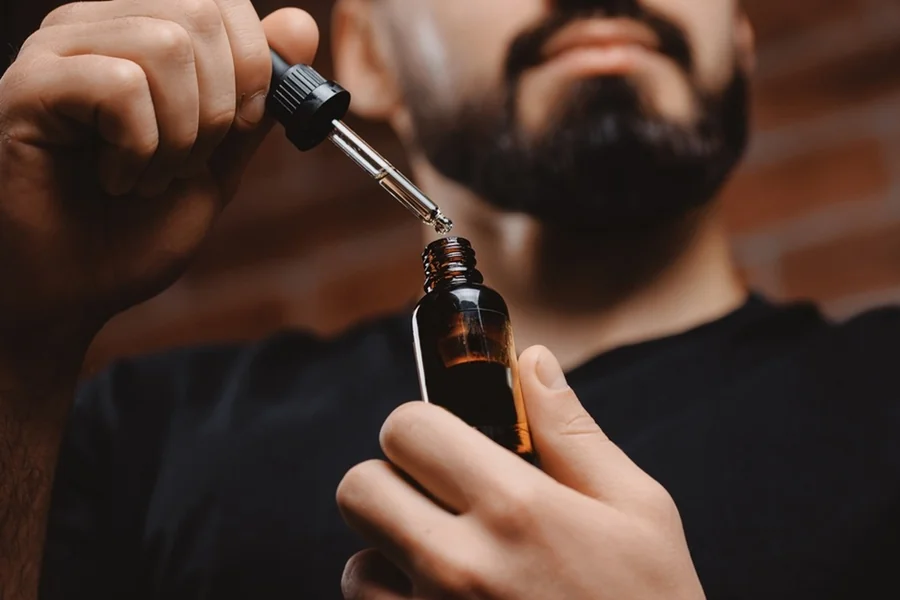
Beard oil works by supporting moisture retention rather than trying to “fix” hair or skin. When applied correctly, it helps create a lightweight barrier that slows moisture loss from both the skin and beard hair.
Instead of sitting on top of the beard, a well-formulated beard oil is meant to reach the skin underneath. This is especially important in winter, when environmental conditions make it harder for skin to stay comfortable on its own.
Using beard oil regularly can help:
- Reduce the tight, itchy feeling that often follows washing
- Support softer, more flexible beard hair
- Improve overall comfort throughout the day
The goal isn’t shine or styling; it’s helping the beard and skin feel balanced and supported during a demanding season.
Adjusting Your Beard Routine for Colder Months
Winter grooming requires more intention in your routine. Small changes can make a noticeable difference in comfort.
Among the best modifications is the minimization of overwashing. You can wash your beard daily, it is refreshing, but it is excessive in cold seasons. Few times a week, and even once a week, with a mildly cleansing soap is usually sufficient, unless you can be exposed to dirt or sweat.
Washing Temperature of the water is important. It is so pleasant to be in hot water in winter, but it does add to dryness, by depriving us of the protective oils. It is better to use lukewarm water on the skin and the beard.
Applying beard oil on damp skin is another simple but effective habit. After washing or lightly towel-drying, the skin is more receptive to moisture. Applying beard oil at this stage helps lock in hydration rather than trying to replace it later.
Consistency matters more than quantity. A small amount applied regularly tends to be more effective than occasional heavy use.
Pairing Beard Oil With Gentle Grooming Habits
Beard oil works best when it’s part of a routine that supports skin health overall. Gentle cleansing helps maintain the skin’s natural balance so the oil can do its job without fighting against irritation.
Look for cleansers designed specifically for facial hair or sensitive skin. These tend to be less drying than standard soaps or shampoos. Avoid products that leave the beard feeling squeaky clean, as that sensation usually indicates stripped oils.
For extra moisture support, try a natural beard butter in your nighttime beard care routine. Leave the beard slightly damp after your evening shower, then apply your beard butter evenly, focusing on massaging it into the skin rather than just coating the hair. It’s a great treatment for softer, silkier facial hair and skin. Instead of drying out and frizzing up overnight, your whiskers are getting primed for tomorrow’s wintry weather.
Read More: What Your Grooming Tools Say About You
Comfort Over Appearance
Winter grooming often gets framed around managing how a beard looks, controlling flyaways, or maintaining shape. While those things matter to some people, comfort is usually the bigger concern when temperatures drop.
A beard that feels itchy or tight is harder to live with than one that looks slightly unruly. Prioritizing skin comfort helps make it easier to maintain a beard throughout the season without frustration.
Beard oil supports this approach by addressing the underlying issue of moisture balance rather than surface appearance alone.
Helping Your Beard Weather the Season
The most effective winter grooming program is that which you are able to adhere without any troubles or inconveniences. This implies keeping them to a minimum, using less aggressive products and monitoring the reaction of your skin to evolving conditions.
When your beard always feels irritated, then it is likely that the skin beneath it should be supported rather than washed and groomed. Incremental habits are more likely to be effective as opposed to radical shifts.
Beard oil can be used as a careful winter routine to assist with keeping moisture, softness and comforting your beard and skin in colder seasons therefore making winter a bit easier on your face and your skin.
Winter does not necessarily mean that one has to put up with irritation or flaking. It can be a season when your beard will be as much at home as any other part of the year, even when it is anything but pleasant outside. You need the right approach to make it so.