Why Intellectual Property Matters in Fashion
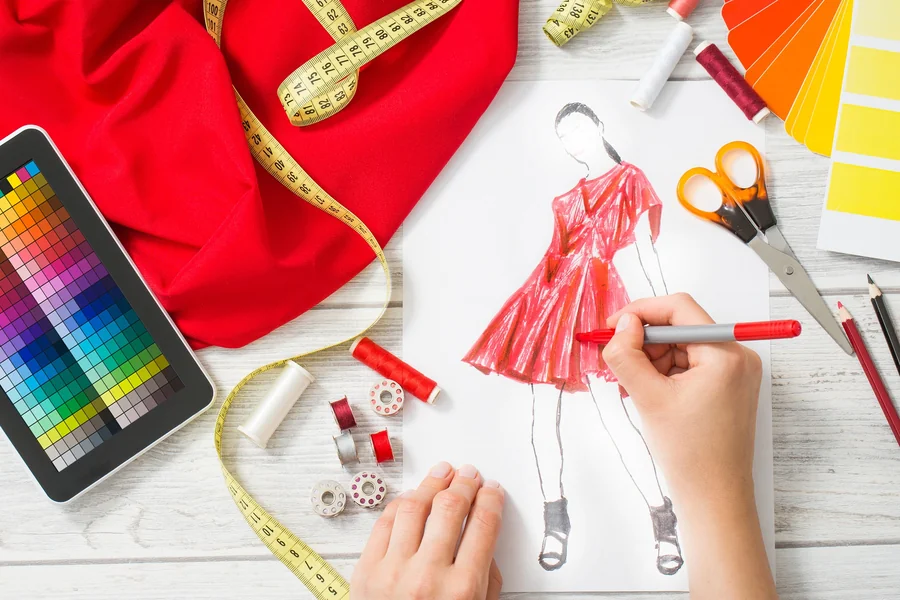
The fashion industry has always been fast paced, with trends predicted years in advance and seasons coming and going as soon as the last fashion week is over. But now, it moves faster than ever. Social media and digital marketplaces, along with the global connectivity we have now, can put designs in front of the world overnight – and all of this also makes copying cheap and quick.
When imitation becomes routine and counterfeits flood online platforms, protecting what you create stops being a legal afterthought and becomes part of how you survive and grow as a fashion business.
The role of creativity and originality in fashion
Fashion is fuelled by creativity. Every fabric choice and print begins as the kernel of an idea, then grows into something you can wear and recognise.
Your designs, branding, and technical innovations form the foundation of your fashion business. They shape how customers recognise you and why they choose you over a near-identical alternative. This is why deceptively simple silhouettes by big names like Chloe and the classic tailoring at Chanel are instantly recognisable as pieces from those fashion houses.
Originality matters even more if you position yourself as ethical or sustainable. This is because customers expect your values to show up in what you create, rather than recycled trends.
When you protect your intellectual property, you give those ideas room to develop commercially without being undercut by copycats who carry none of your costs or commitments. Organisations such as the British Fashion Council underline how creativity drives long-term value in the UK fashion industry and why designers must treat it as a core asset rather than a by-product of making clothes. Treat your creative output with the same care you give to sourcing or production.
Common intellectual property risks facing fashion brands
Design copying is common, stealthy and insidious. You might spot a familiar pattern on a fast fashion website, see your logo repurposed on social media adverts, or discover counterfeit versions of your products sold through online marketplaces. Small and independent brands are affected more than the larger labels because they lack the resources to absorb lost sales or reputational damage.
If you just react after infringement occurs, you spend time and money proving ownership instead of building your business. Taking steps to protect your IP protection early on helps you show that a design, name, or logo belongs to you, which makes takedowns and enforcement far more straightforward. Build protection into your launch process rather than waiting for problems to appear.
How intellectual property protection supports sustainable fashion
Sustainable fashion depends on long-term thinking. You invest in better materials and fairer production because you believe those choices should pay off over time. Intellectual property protection supports that investment by giving you a fair chance to benefit from your innovations instead of watching others copy them without sharing the cost.
By registering and managing your IP, you encourage responsible design because you know your ideas will not disappear into the market unchecked. The UK Intellectual Property Office explains how trademarks and your registered designs help you and other businesses like yours protect originality while competing fairly.
When fashion bands should seek professional IP guidance
Certain moments and milestones for your fashion brand can make IP decisions more complex. Launching a new brand or expanding a collection are instances where questions can be raised around ownership and risk. At these stages, experienced IP law firms can help you assess what to protect and how to avoid disputes.
Professional guidance like this is designed to support your creative judgement by translating ideas into enforceable rights. Get advice early when your business changes direction or if you plan to scale.
Intellectual property in fashion protects your creativity, supports sustainable choices and helps maintain fair competition in a crowded market. When you treat IP as part of your business plan, you give your designs the respect and security they need to flourish.