Essential Planning Tips for First-Time Travelers in Asia
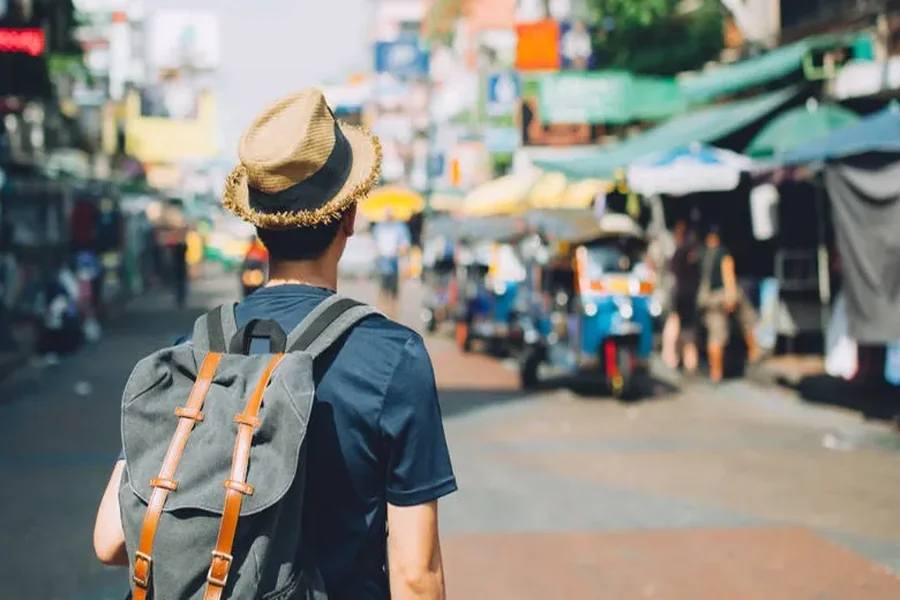
Heading to Asia for the first time can be incredibly exciting. But it’s often worth putting in a bit more planning than you think you’ll need. Asia is a diverse continent with an enormous variety of cultures, landscapes, languages, and so on. Each country has its own unique customers, systems, and infrastructural challenges, so it’s a very good idea to research where you’re going in advance and plan accordingly. Here are some tips to help out:
Secure the Necessary Coverage
It’s important to cover yourself against the unexpected, so be thorough when you’re picking insurance cover. When you’re choosing your travel insurance for Japan or any other Asian country, make sure that your policy includes coverage for medical emergencies, trip interruptions, cancellations, lost belongings, and emergency flights home. Hopefully you’ll never need to use it, but having good insurance will give you peace of mind and confidence, which alone makes it more than worth it.
Check Visa and Passport Requirements
Visa requirements vary considerably across Asia. Some destinations are more relaxed, and will allow you to take out a visa-on-arrival or an electronic visa, while others will need you to apply and be approved before you depart. So, look up the specific entry requirements for each country on your itinerary several months before you set off – you’ll need to leave plenty of time for visa applications to be processed. Also, make sure that your passport is valid for at least six months beyond your planned return date – some countries will refuse you entry if your passport is too close to expiry.
Stay Up to Date on Vaccinations
Different diseases are endemic to different parts of Asia, and it’s a good idea to be prepared for them – ideally by getting vaccinated. So, head to a travel clinic or consult your healthcare provider to find out which vaccinations are recommended or required for the countries you’ll be visiting. Making sure that you’re fully vaccinated before you head off will help to protect you from avoidable health risks while you’re travelling.
Carry Local Currency
Some Asian countries (Japan and South Korea, for example) have a sophisticated digital payment infrastructure, but cash is still king in many other Asian countries – especially in small rural areas. So, it’s a good idea to get some currency beforehand if you can (note that some countries – Vietnam, for example – have restricted currencies that you’ll only be able to get when you’ve arrived). Keeping a small amount of local cash on hand will make sure that you can cover transportation, food, or other essentials without hassle. But do be careful to keep your cash safe! While much of Asia is very safe, it’s still best to keep your valuables secure.
Learn a Few Local Phrases
English is not universally spoken throughout Asia, especially outside major cities. Learning a few basic phrases in the language of the countries you’re visiting – such as greetings, “thank you,” and “help” – both shows respect for the local culture and will help you to communicate in a more meaningful way.
Dress with Cultural Awareness
Cultural dress norms vary considerably by country and region, but modesty is generally appreciated across much of Asia – especially when visiting temples, shrines, or religious sites. By carrying a light scarf or a shawl, you can easily adapt your outfits to hide your shoulders if needed.
Read More: 4 Day Tourist Safe and Friendly Itinerary in Mykonos
Enjoy Local Cuisine…Wisely
Sampling local food is one of the best parts of Travelers in Asia. Each country has a wealth of unique flavors and culinary traditions to explore. That being said, it’s wise to be cautious, particularly with street food. Choose busy vendors (popularity is usually a good sign!), drink bottled water where advised, and don’t take on unfamiliar flavors and dishes with too much gusto straight away. Give your system time to get used to new cuisines, or you’ll feel the consequences.
Respect Local Customs and Traditions
Take some time to research, understand and respect local customs. This will help you to avoid looking rude or ignorant, or causing unintentional offence. Simple things like removing your shoes before entering a home and modifying your speaking volume (this one is particularly pertinent for Americans, who tend to speak at much louder average volumes than people of other nations) will show cultural sensitivity and boost your overall experience.
Plan Ahead, but Stay Flexible
A well-thought-out itinerary can help you stay organized and make efficient use of your time. But do try not to overplan. Leave room for spontaneity so that you can embrace unexpected opportunities like local festivals, hidden cafés, and so on.
Traveling to Asia can be a journey of a lifetime. With careful planning, cultural awareness, and an open mind, you’ll be well equipped to create experiences you’ll remember long after you return home.