How To Choose Between Single Hung And Double Hung Window Styles
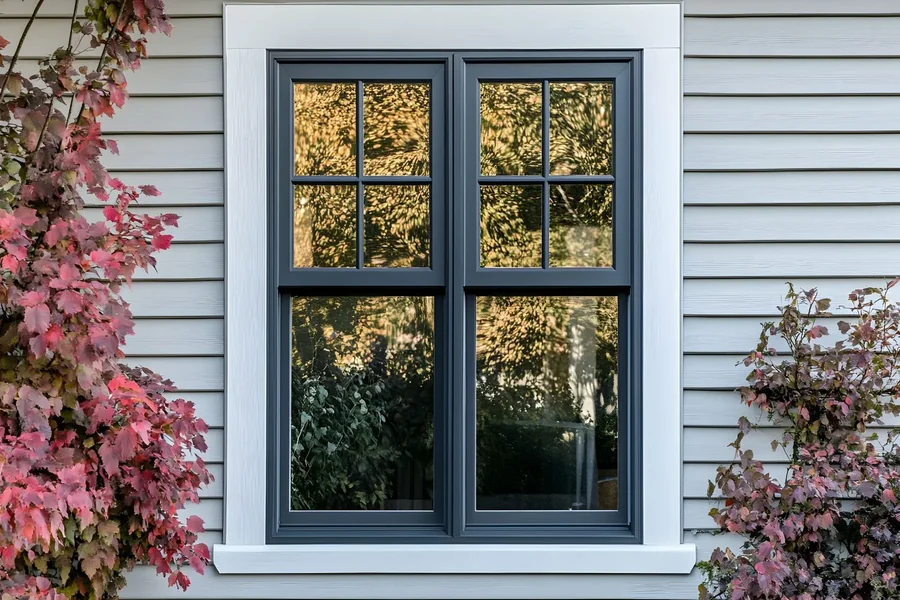
Windows play a major role in shaping comfort, ventilation, and aesthetics in any living space. Selecting the right style influences energy efficiency, maintenance, and the overall appearance of a home. Between single hung and double hung options, the right choice depends on lifestyle, budget, and architectural needs.
Both styles share similar appearances yet differ in function and practicality. A single hung window has a fixed upper sash, while a double hung window allows both sashes to move vertically. Understanding these Single Hung vs Double Hung Windows distinctions helps make an informed and satisfying decision for long-term value.
Understand the Structural Differences
A single hung window features one movable sash positioned at the bottom, while the top sash remains stationary. This design reduces mechanical parts, which makes it simple and cost-effective. Double hung windows, on the other hand, allow both sashes to slide up and down for increased flexibility.
The dual movement in double hung windows supports better airflow and easier cleaning. In contrast, single hung designs are ideal for spaces where minimal ventilation is needed. This basic structural variation influences performance and convenience significantly.
Assess Ventilation and Airflow
Ventilation needs vary across rooms and climates. Double hung windows offer superior airflow because both sashes can open simultaneously. The top sash releases warm air while the bottom allows fresh air to enter, which creates natural circulation.
Single hung windows provide moderate ventilation and are suitable for smaller spaces like bathrooms or basements. Their limited movement helps maintain insulation and prevents excessive air exchange. Choosing the right type ensures balanced comfort and efficient temperature control.
Evaluate Maintenance and Cleaning Convenience
Ease of cleaning plays a major role in window selection. Double hung windows allow inward tilting of both sashes, which makes exterior surfaces accessible from inside the home. This feature saves time and effort, especially for upper floors. Also:
- Single-hung windows require external access to clean the outer glass surface.
- Double hung models offer safer maintenance options without ladders or exterior tools.
- The tilt-in mechanism simplifies seasonal upkeep and enhances longevity.
- Fewer obstructions mean clearer views and consistent shine throughout the year.
Homeowners who look for convenience and low maintenance may find double-hung styles more practical for long-term use. This advantage becomes valuable for multi-story residences.
Compare Energy Efficiency and Insulation
The performance of energy has an impact on comfort and cost. Single hung windows typically include fewer moving parts and therefore the seals are closer resulting in better insulation. This decreases air leakage, and assists in stabilizing the interior temperature.
Although flexible, it can be necessary to add further sealing to double hung windows to counter in line with similar standards of energy efficiency. Better efficiency can however be achieved with advanced models that have weatherstripping and insulated glass. The choice of energy rated designs will provide comfort in the long run and save utility costs.
Consider Aesthetics and Home Design Compatibility
Window style contributes greatly to the visual appeal of a home. Single hung windows feature a traditional charm suited for classic or colonial architecture. Their simple lines enhance symmetry and create a timeless look.
Double hung windows align well with contemporary or transitional designs. The balanced movement of both sashes adds depth and character to the facade. So, matching the right style with architectural tone ensures harmony and aesthetic balance.
Budget and Long-Term Investment
Issue of cost plays a critical role in decision making. The single-hung windows are also cheaper due to their simple mechanism and the few moving components. They are also simple to install and hence low cost of installation.
The higher costs of the double hung, however, provide added comfort and ease of access. They are more flexible and more functional to warrant the investment to individuals who want long-term value. The consideration of initial cost and long-term usability helps to make a decision in accordance with personal priorities.
Therefore, the selection of Single Hung vs Double Hung Windows is based on the life style, money, and required convenience. All the styles have certain advantages that impact on comfort, functionality and looks. Considerable comparison will give the ideal combination of beauty, functionality and durability.