Unwanted Marks: Options for Mole and Scar Removal
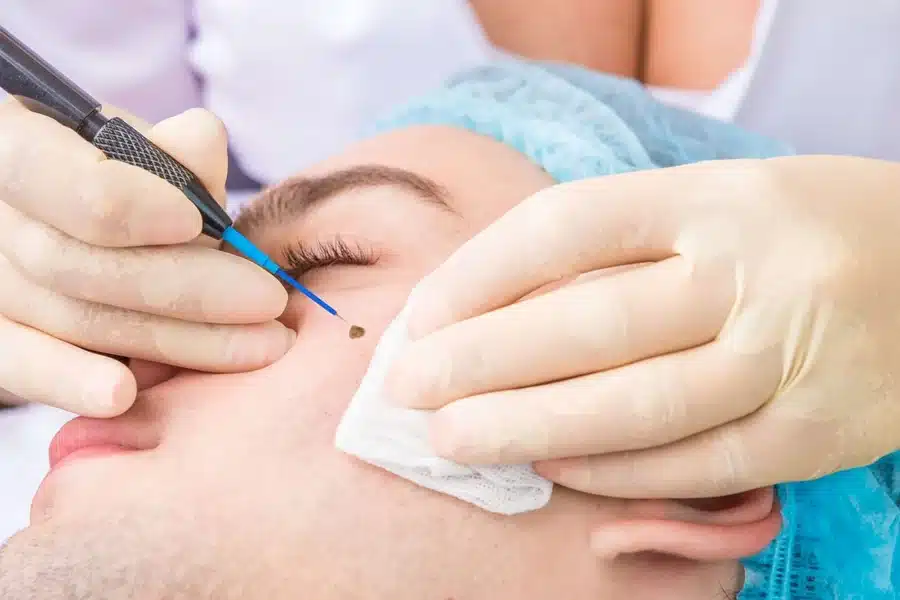
There are almost always few of those little imperfections dancing on our skin: traces of moments of sun exposure, childhood scrapes or old blemishes. An annoying mole sticking out of your winning clothes or when one has been suffering from the existence of a huge Scar Removal feel like permanent reminders draining away confidence and comfort of a person. Most moles and scars are entirely harmless, but for cosmetic reasons and sometimes due to medical necessity, wishing for their removal is valid. Fortunately, modern dermatology and surgical techniques offer a variety of effective options for moles and scars removals, helping you achieve smoother, clearer skin.
Understand Moles: When Should You Consider Their Removal?
Moles, or nevi, grow commonly on skin due to pigment-producing cells (melanocytes) forming clusters. Most moles are harmless; however, some people opt to have theirs removed for reasons of aesthetics, especially if they are big or raised or inconveniently placed. Any mole, however, changing in size, shape, color, or texture, or one that beginning to itch or bleed, should immediately be examined by a dermatologist to exclude melanoma, a very aggressive form of cancer on the skin.
Some common methods for mole removal are:
Surgical Excision: It is the most common method, particularly for suspicious moles or those that need to be completely removed. After anesthetizing the area, the dermatologist excises the whole mole along with a small margin of normal skin around it and then closes the wound with sutures. Surgical excision not only allows for complete removal of the mole but also for histopathological examination by biopsy. This will leave a linear scar.
Shave Excision: Raised benign moles may be shaved off by the physician using a surgical blade. This procedure is fast, does not require any stitches, and will usually leave a flat circular mark that slowly fades to become almost indistinguishable from the surrounding skin.
Laser Removal: This method is rarely used for moles and relies mainly on the use of intense light to break down pigment cells. It is usually chosen for smaller, flatter moles and can require numerous sittings. That said, it is generally not recommended for moles under suspicion, as it obliterates the tissue needed for biopsy.
Understand Scars: If You Ever Want to Address the Skin’s Story of Healing
Scars occur naturally in the healing process that follows an injury to the skin. Scars form when the body makes collagen fibers to repair a wound, and their appearance depends upon the injury type, their location, a person’s genetic makeup, and skin type. While some scars fade quite considerably over time, for others, the scars remain prominent and may even become discolored or raised.
Common scar revision techniques include:
Topical Treatments (Creams, Gels, Silicone Sheets): For new or less severe scars, topical treatment options, including over-the-counter or prescription creams with active ingredients such as silicone, corticosteroids, or retinoids, may improve appearance by helping to soften and flatten the scar tissue. Silicone gel or sheets are particularly favored to be used for hypertrophic and keloid scars.
Steroid Injections: Some raised scars that are itchy and painful are treated with steroid injections (hypertrophic or keloid scars). The steroid agents injected directly into the scar tissue reduce inflammation and flatten the scar and relieve discomfort. Injections must be given for numerous times.
Laser Therapy: A variety of lasers are used for scar revision. Pulsed dye lasers are able to decrease the redness of recent scars. Fractional lasers (ablative or non-ablative) induce collagen generation to better texture and discoloration for acne scars, surgical scars, and stretch marks. Laser treatment can be improved for appearance over several treatments of scar greatly.
Dermal Fillers: For depressed or “pitted” scars (like some acne scars), dermal fillers provide an injectable temporary boost to the skin, thus helping to make the scars less visible and giving a smoother surface. The results are temporary and commonly last anywhere from several months to around two years.
Surgical Scar Revision: Surgical revision might be an option for extremely obvious, wide, or functionally limiting scars. A surgeon will be able to excise an old scar and carefully resuture the wound to form a much less obvious, flatter scar. It’s commonly used for treating wide surgical scars or those which cause tightness.
Microneedling: This treatment involves the use of a device with very small needles that create controlled micro-injuries to the skin and therefore stimulate the production of collagen and elastin. It is good for treating the texture and appearance of various scar types, more specifically acne Scar Removal.
The Road Toward Clearer Skin: What to Consider
Rather than cast a blind guess at the right method for mole and scar removal, it is best to analyze the particular characteristics of your mark, your skin type, your desired results, and medically justifiable cases for moles. Consult a qualified dermatologist or plastic surgeon. They can correctly diagnose your mark and discuss thoroughly the appropriate and effective treatment options, along with the risks and expected recovery times, thereby setting your expectations on a realistic basis. Remember: you gain much in appearance most times through the intervention of professional treatment options, but the end result is rarely ever a completely invisible mark, as there will always remain some sign of a mark after the body goes through the healing stage. Your investment in professional advice is one that guarantees a fun and rewarding trip leading to clear skin and confidence.