Gut Check: What Your Skin Says About Your Digestion
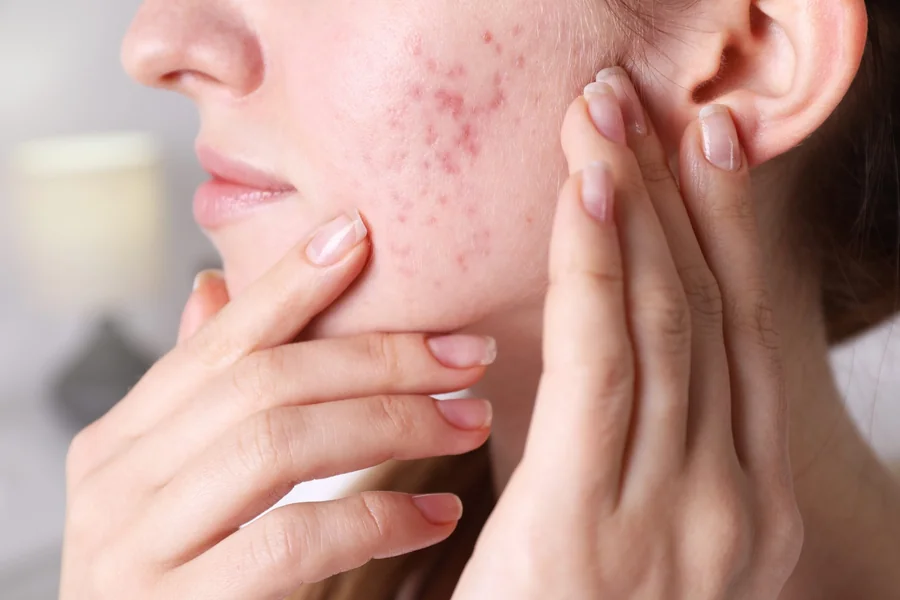
If you’ve tried every cleanser, serum, and spot treatment under the sun and your Skin Says is still throwing fits—acne that won’t quit, eczema that flares up for no reason, or redness that seems to have a mind of its own—it might be time to look a little deeper.
Like, gut-level deep.
It may sound strange, but your skin and your digestion are more connected than most people realize. And sometimes, the answers you’re looking for aren’t in your skincare routine, but in what’s happening inside your body—especially in your gut.
Welcome to the world of the gut-skin connection—where unexplained skin issues often start with imbalances in your digestive system. And yes, your favorite moisturizer may help, but healing might also involve adjusting your diet, improving your digestion, and supporting your microbiome.
When Skin Problems Are Really Gut Problems
Let’s start with something many people don’t know: your gut and your skin talk to each other. It’s part of what’s known as the gut-skin axis, a complex communication pathway between your digestive tract and your largest organ—your Skin Says.
When your gut is functioning optimally—digesting food well, absorbing nutrients, and maintaining a healthy balance of bacteria—your skin often reflects that balance. It looks clear, calm, and nourished. But when your gut is inflamed, sluggish, or imbalanced, it can show up in the form of breakouts, rashes, or irritation.
Here are a few common digestive issues that can quietly sabotage your skin:
1. FODMAP Sensitivity and Bloating-Triggered Breakouts
FODMAPs are certain types of carbohydrates that ferment in the gut and can cause digestive distress—especially in people with IBS or a sensitive stomach. If you often feel bloated, gassy, or crampy after eating foods like garlic, onions, apples, or wheat, FODMAPs may be part of the problem.
But what many people don’t realize is that this gut inflammation can spill over and affect your skin. Inflammatory responses in your digestive system can contribute to skin conditions like acne, rosacea, and eczema. If you’ve noticed skin issues that flare up after specific meals—or when your gut feels especially “off”—that’s a red flag worth exploring.
2. Poor Enzyme Production
Digestive enzymes help break down your food into nutrients your body can absorb. But if your enzyme production is low (due to stress, aging, certain medications, or underlying conditions), your food isn’t being properly digested—and undigested food can ferment and feed harmful bacteria in your gut.
This leads to inflammation and bacterial imbalances, which can again show up on your Skin Says. Think dull complexion, frequent breakouts, or skin that feels irritated no matter what products you use.
Adding a high-quality digestive enzyme supplement before meals can help support proper digestion, reduce bloating, and indirectly calm down reactive skin.
3. Leaky Gut and Eczema-Like Symptoms
“Leaky gut” is a term used to describe a condition where the lining of your intestines becomes more permeable than it should be, allowing particles like toxins, bacteria, or undigested food to enter your bloodstream.
This triggers an immune response—and for many people, that response includes skin inflammation. Eczema, psoriasis, and even chronic hives can sometimes be traced back to gut permeability issues. If you’ve been treating your skin topically with no relief, supporting gut repair might be the missing piece.
Skin Clues That Your Gut Might Be Involved
Wondering if your skin struggles are really digestive ones in disguise? Here are a few signs to look for:
- You break out around your mouth or jawline after eating certain foods
- Your eczema flares up after a night of poor digestion or bloating
- You feel gassy or uncomfortable after meals—especially when your skin acts up
- You’ve tried all the right skincare, but nothing seems to stick
- You notice changes in your skin after antibiotics or a stomach bug
If any of this sounds familiar, your skin may be trying to send you a gut check.
How to Support Your Gut for Healthier Skin
The good news? You don’t need to overhaul your life to start healing from the inside out. Small, consistent changes can go a long way.
1. Start with a Gut-Friendly Diet
Focus on anti-inflammatory, whole foods that are easy to digest:
- Cooked vegetables over raw
- Lean proteins and omega-3s (like salmon or flaxseed)
- Low-FODMAP fruits like blueberries and bananas (if you suspect FODMAP sensitivity)
- Bone broth, which supports gut lining repair
Avoid ultra-processed foods, excess sugar, and too much dairy—these can disrupt your gut flora and add fuel to the fire.
2. Try Digestive Enzymes
If your digestion feels sluggish or inconsistent, adding digestive enzymes supplementation before meals can help break down food more efficiently. Look for one with lipase, protease, and amylase to cover fats, proteins, and carbs.
Bonus: some supplements are tailored specifically for FODMAP sensitivity, helping your body digest hard-to-tolerate ingredients without the bloating.
3. Rebuild with Probiotics and Prebiotics
Balancing your gut flora with probiotic-rich foods like yogurt, sauerkraut, or kefir can support skin health too. For even more impact, add prebiotics like oats, asparagus, or garlic (unless you’re FODMAP-sensitive—then go easy on these).
You can also try a targeted probiotic supplement, especially if your skin flares up after antibiotics or digestive illness.
4. Lower Stress and Get Sleep
Stress is one of the biggest enemies of both your gut and your skin. Chronic stress can throw off your digestion, slow enzyme production, and mess with your microbiome. Prioritize sleep, movement, and rest—not just for your mind, but for your skin.
Final Thoughts: Listen to What Your Skin Is Telling You
Your skin is your body’s loudest messenger. When something’s wrong on the inside—whether it’s poor digestion, food sensitivities, or chronic inflammation—your skin often tries to tell you.
Instead of fighting your skin with another harsh product, try listening to what it’s asking for. Maybe it’s better digestion. Maybe it’s less bloat. Maybe it’s a simple routine that nourishes your gut as much as it cares for your complexion.
Because healthy skin isn’t just about what you put on your body. It’s just as much about how you care for it from the inside out.