Why an Ergonomic Office Chair Matters
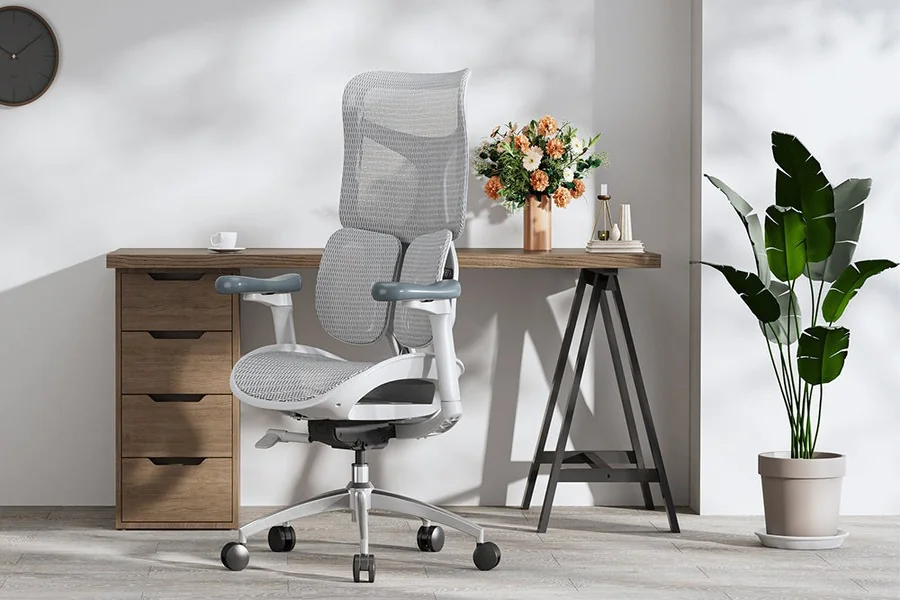
In our modern world, many of us spend hours sitting at desks, whether working from home, in shared offices, or studying long into the night. Over time that constant sitting can lead to aches, stiffness, fatigue, and even long-term musculoskeletal problems. An ergonomic office chair is designed to reduce those risks by supporting the body more naturally, encouraging better posture, and enhancing comfort over long sessions.
When you choose the right ergonomic office chairs, you’re not just investing in comfort. You’re investing in your physical health, focus, and productivity.
What Makes a Chair Truly Ergonomic
Not all office chairs are created equal. A genuinely ergonomic chair is more than a padded seat with armrests. It adapts to your body and your movements. Here are the key features to look for.
Adjustable Backrest and Lumbar Support
Your spine isn’t straight—it has natural curves, especially in the lower back. A good ergonomic chair lets you adjust how much curve support it gives and lets you move the backrest’s position up or down so it properly aligns with your spine.
Seat Height and Depth Adjustment
No two people have the same leg length or torso height. A proper ergonomic chair lets you adjust the seat height so your feet can rest flat on the floor or on a footrest. Seat depth adjustment ensures your thighs are supported without pressure behind your knees.
Tilt and Recline Mechanics
To reduce static load on your spine and muscle groups, a chair that allows you to recline or tilt—while still supporting your torso—lets you subtly shift posture, reducing fatigue. Some chairs offer a synchro-tilt feature where the backrest and seat move in relative proportion.
Armrests That Move
Fixed armrests can create strain if they’re too high or too low. Good ergonomic chairs let you move armrests up or down, sideways, or even forward or backward so your arms can rest naturally and your shoulders stay relaxed.
Swivel, Casters, and Stable Base
Movement matters. A chair that swivels 360 degrees and rolls easily allows you to reach things without twisting your spine awkwardly. A five-point base helps distribute weight and ensure stability.
Breathable Materials and Padding
You’ll want cushioning that’s firm but not hard and materials like mesh or fabric that let air circulate to avoid heat buildup.
Health and Productivity Benefits
Using a well-designed ergonomic chair can bring many benefits beyond comfort.
Reduced Pain and Discomfort
One of the biggest advantages is relief from back, neck, and shoulder pain. When the chair supports your natural curves and lets you shift posture, tension on muscles and discs is reduced.
Better Posture
Ergonomic chairs encourage you to sit more upright rather than slumping and maintain alignment of the spine, pelvis, and shoulders. Over time, this can improve your posture even outside the chair.
Increased Focus and Energy
When your body isn’t distracted by discomfort or aches, your brain can stay more fully on the task. Subtle shifts and comfort allow for longer periods of concentration without mental fatigue.
Long-Term Health Protection
Chronic bad posture and sitting strain may contribute to degenerative spine changes, repetitive strain injury, and poor circulation in the legs. A supportive chair helps mitigate those risks.
Choosing the Right Ergonomic Chair
Selecting the right chair involves more than picking the fanciest model. Here are practical tips to guide your decision.
Know Your Body and Measures
Measure your height, leg length, torso height, and weight. Use those to check a chair’s adjustment range—just because it’s adjustable doesn’t mean it fits you.
Try Before You Buy
If possible, sit in the chair for at least 15 to 20 minutes. Move around, lean back, adjust everything. A chair that feels fine at first can reveal flaws after you shift or recline.
Match to Your Use Style
If you mostly work upright, prioritize seat depth and lumbar adjustment. If you do a lot of reading or planning, a good recline and tilt mechanism is more important. If you move between tasks or reach for things often, smooth swivel and casters are essential.
Material and Build Quality
High-quality mechanisms, durable frames, and breathable materials increase the chair’s lifespan. Cheaper parts may fail or wear prematurely.
Budget versus Long-Term Value
Yes, ergonomic chairs can be expensive. But think of them as long-term health and productivity investments. A good chair in daily use can pay off in comfort, fewer aches, and less downtime over the years.
Tips for Using Your Ergonomic Chair Effectively
Even the best chair won’t do all the work. Here’s how to get maximum benefit. Adjust it properly at the start and calibrate all settings for your proportions. Change posture frequently by reclining, leaning, and stretching.
Use complementary supports like a good keyboard tray, monitor height, and footrest to make the chair’s job easier. Stand and move regularly every 30 to 60 minutes. Maintain it by tightening screws, cleaning parts, and checking casters and mechanisms.
Conclusion
Ergonomic office chairs are much more than a design trend. They’re a cornerstone of a healthier, more sustainable work setup for anyone spending hours seated daily. By choosing a chair that adapts to your body, supports your spine, and allows micro movements, you’re reducing pain, improving posture, and boosting focus.